 Angela Stefani
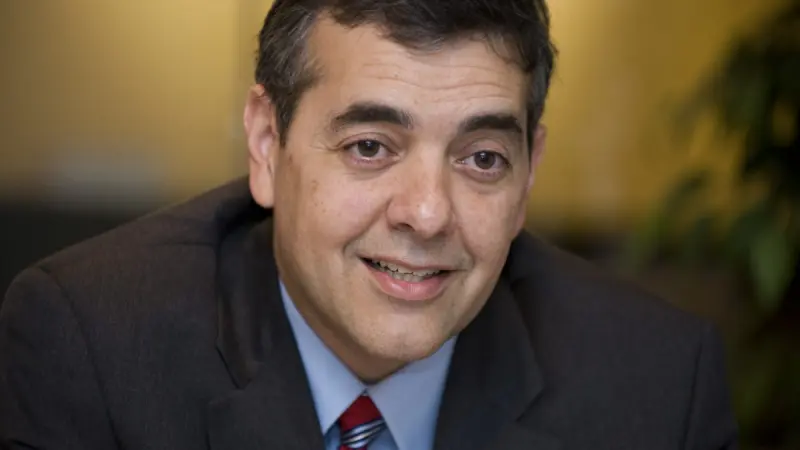
MIAMI — Former Miami Congressman David Rivera was convicted today by a federal jury on charges related to a clandestine, unregistered lobbying campaign for Venezuela’s state-owned oil company, PDVSA, marking a significant legal setback for the once-influential Republican. The verdict, delivered after weeks of testimony in a U.S. District Court, found Rivera guilty of multiple counts, including conspiracy to act as an unregistered foreign agent and making false statements, in a scheme that concealed millions of dollars in payments intended to sway American policy.
The conviction centers on Rivera’s failure to register under the Foreign Agents Registration Act (FARA), a statute designed to promote transparency regarding foreign influence in U.S. politics. Prosecutors argued that Rivera actively worked on behalf of the Venezuelan government, specifically its petroleum giant, without disclosing his activities to the Justice Department, thereby undermining national security interests and the integrity of the political process.
Evidence presented during the trial detailed a sophisticated operation spanning several years, wherein Rivera allegedly received substantial payments, totaling over $50 million, from Venezuelan entities. These funds were reportedly funneled through various intermediaries and shell corporations to obscure their true origin and purpose, making detection by federal authorities challenging.
The prosecution outlined how Rivera leveraged his extensive political network and experience to advocate for Venezuelan interests, including efforts to improve the countrys image and influence U.S. policy decisions at a time of strained diplomatic relations. The secret nature of these dealings was a core component of the charges, emphasizing the deliberate concealment from the public and government oversight.
Defense attorneys maintained Rivera’s innocence throughout the proceedings, asserting that any payments received were for legitimate consulting work and not for covert lobbying on behalf of a foreign government. They argued that the interactions fell outside the scope of FARA requirements, portraying Rivera as a victim of overzealous prosecution.
However, the jury, after deliberating for three days, ultimately sided with the prosecution. Their decision underscores the increasing scrutiny on foreign lobbying efforts and the Justice Departments commitment to enforcing FARA, which has seen a resurgence in recent years.
U.S. Attorney for the Southern District of Florida, Ariana Fajardo Orshan, released a statement following the verdict, emphasizing the importance of transparency in foreign relations. “Today’s conviction sends a clear message that individuals who seek to secretly influence American policy on behalf of foreign governments, especially those with adversarial relationships to the U.S., will be held accountable,” Orshan stated.
Rivera, who served in the U.S. House of Representatives from 2011 to 2013, has faced various legal challenges since leaving office. This latest conviction represents the most severe legal consequence of his post-congressional career, solidifying a dramatic fall from grace for a figure once considered a rising star in Republican politics.
The case also serves as a stark reminder of the ethical lines political figures must navigate when transitioning from public service to private consulting. The strictures of FARA aim to prevent covert influence campaigns that could compromise U.S. foreign policy or national interests without public knowledge.
Sentencing for Rivera has been scheduled for early next year. He faces a significant prison sentence, potentially decades, given the multiple felony counts and the financial scope of the illicit lobbying scheme. Legal experts indicate the outcome could have a chilling effect on other unregistered foreign agents.
The conviction inevitably reverberates through Miamis political circles, where Rivera long maintained a presence. It underscores the ongoing challenges of regulating foreign influence and maintaining ethical standards within the political landscape of a region deeply connected to Latin American affairs.
President Donald Trump's administration has previously signaled a strong stance on issues of foreign interference and transparency, a sentiment echoed by this landmark prosecution. The Justice Department has been particularly active in pursuing FARA violations, a trend expected to continue.
The verdict against Rivera solidifies a period of heightened enforcement for FARA, indicating that the era of undeclared foreign influence operating with impunity in Washington and beyond is drawing to a close. It is a critical moment for accountability in American political lobbying.