 Chandra Wijayanto
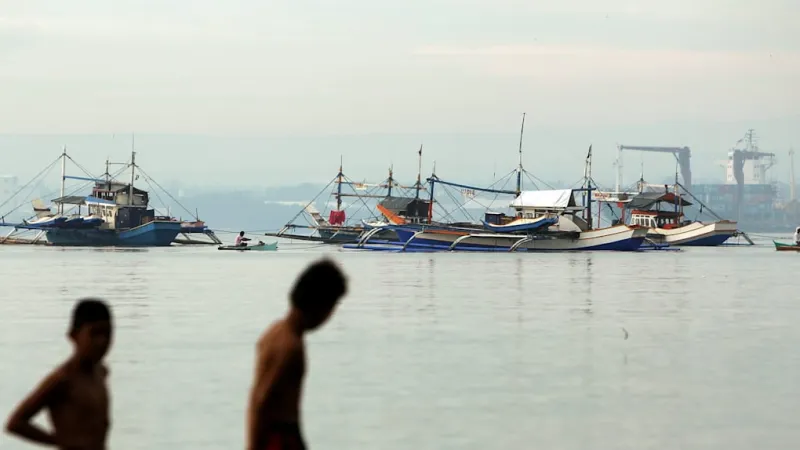
A powerful earthquake struck off the southern coast of the Philippines, causing widespread alarm, collapsing buildings, and claiming at least one life. The severe seismic event immediately triggered a comprehensive tsunami warning for coastal areas across multiple countries in the region.
The tremor, which hit with considerable force, sent residents scrambling for safety as structures crumbled. Emergency services in the immediate vicinity initiated rapid response protocols, assessing the damage and tending to the injured.
Authorities quickly issued advisories, urging populations in low-lying coastal zones to seek higher ground. The Pacific Tsunami Warning Center or similar regional bodies would typically issue such alerts, detailing potential wave heights and estimated arrival times for various coastlines.
Preliminary reports indicate the earthquake's epicenter was situated offshore, a common precursor for tsunamigenic events. Underwater seismic shifts displace vast volumes of water, generating destructive waves that can travel thousands of miles across oceans.
The Philippines lies within the Pacific Ring of Fire, a horseshoe-shaped belt known for its intense seismic and volcanic activity. This geological reality means the archipelago experiences frequent earthquakes, though tremors of this magnitude are less common and carry greater destructive potential.
Governments in affected and potentially affected nations are coordinating efforts to ensure public safety. This includes disseminating evacuation orders through various channels, from local sirens to mobile alerts and public broadcasts.
Residents are advised to remain vigilant and follow official instructions, as aftershocks can continue for hours or even days, posing further risks to compromised structures and delaying rescue operations.
The full extent of the damage remains unclear, with assessment teams working to reach remote areas. The immediate focus is on search and rescue missions to locate any individuals trapped under debris and to provide medical aid to the injured.
Past tsunamis in the region have demonstrated the catastrophic impact these waves can have, sweeping away entire communities and reshaping coastlines. The prompt issuance of warnings is crucial for saving lives and minimizing destruction.
International aid organizations are monitoring the situation, preparing to offer assistance should the need arise. The challenge now lies in effectively communicating the threat and ensuring timely evacuations across diverse and often densely populated coastal areas.
Families are being encouraged to have emergency kits ready and to establish communication plans in case of prolonged disruptions. The threat of a tsunami necessitates a collective and organized response from both citizens and governmental agencies.
The long-term recovery efforts will likely involve rebuilding infrastructure, providing psychological support to affected communities, and strengthening early warning systems to mitigate future disaster impacts. The immediate priority, however, remains the protection of lives against the impending ocean threat.