 Demian Sahputra
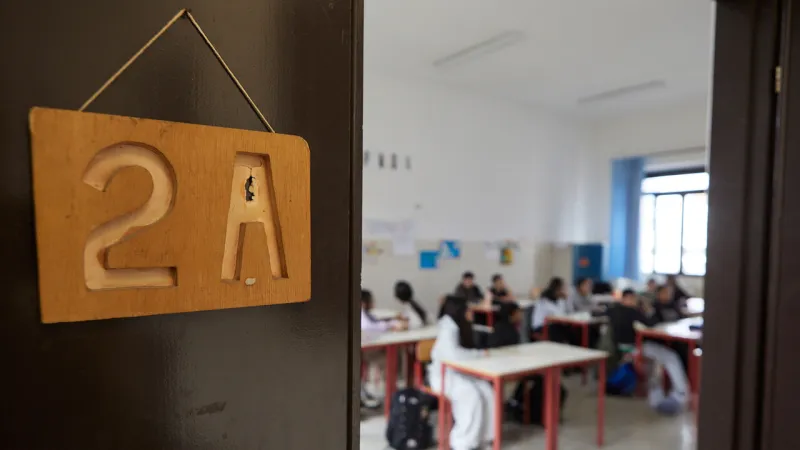
ROME – Save The Children has issued a stark warning that Italy faces an impending educational crisis, with primary schools in roughly 3,000 municipalities now at risk of permanent closure. This alarming prognosis follows a decade during which 1,571 educational institutions across the nation have already ceased operations, directly threatening the accessibility of fundamental education for thousands of young students, the international non-governmental organization reported.
The report underscores a profound challenge to educational equity, particularly in Italy's more sparsely populated and mountainous regions. These areas often rely on a single primary school as the cornerstone of community life and local identity, providing essential services beyond mere instruction.
Over the past ten years, the shuttering of nearly 1,600 schools has created vast swathes of what analysts term educational deserts. Children in these affected communities face increasingly long commutes, reduced access to extracurricular activities, and diminished opportunities for socialization crucial for development.
Save The Children emphasized that these primary school closures are not merely statistical declines but represent a systemic erosion of public services. The organization argues that a thriving primary school system is indispensable for fostering local development, retaining younger families, and preventing the further depopulation of vulnerable territories.
The long-term societal cost of these school closures extends beyond immediate educational access. It contributes to a cycle of disadvantage, making it harder for these communities to attract new residents or sustain economic activity. Families often relocate to urban centers in search of better educational prospects, exacerbating rural decline.
Critics suggest that a lack of sustained governmental investment and strategic planning has contributed significantly to this alarming trend. Local administrators often grapple with dwindling resources and bureaucratic hurdles when attempting to keep these vital institutions operational.
For many Italian families, the local primary school represents more than an academic facility; it is a cultural anchor, a safe haven, and a hub for community engagement. Its disappearance can leave a palpable void that impacts generations.
As the physical landscape of education contracts for many, another transformative force shapes learning habits globally: artificial intelligence. The Save The Children report also illuminated evolving pedagogical trends, noting a significant shift in how students engage with their studies.
Specifically, the organization found that 45% of students who routinely incorporate artificial intelligence tools into their learning processes report studying more frequently in isolation.
While AI offers personalized learning pathways and instant access to information, this trend towards solitary study could have implications for social development, teamwork skills, and the traditional classroom dynamic. Educators and policymakers must consider how to harness AI's benefits while preserving vital communal aspects of learning. This trend echoes broader discussions on technology's impact on education, as highlighted by concerns such as those regarding academic integrity, with South Korea vowing zero tolerance on AI exam cheating.
Save The Children has called for urgent intervention from Italian authorities to reverse the trajectory of primary school closures. The organization advocates for targeted funding, policy reforms to support small and rural schools, and a renewed commitment to ensuring equitable educational opportunities for every child, regardless of their geographical location.
The future of Italy's education system and the vitality of its smaller communities hinge on a proactive response to these dual challenges of diminishing physical infrastructure and evolving digital learning paradigms.