 Angela Stefani
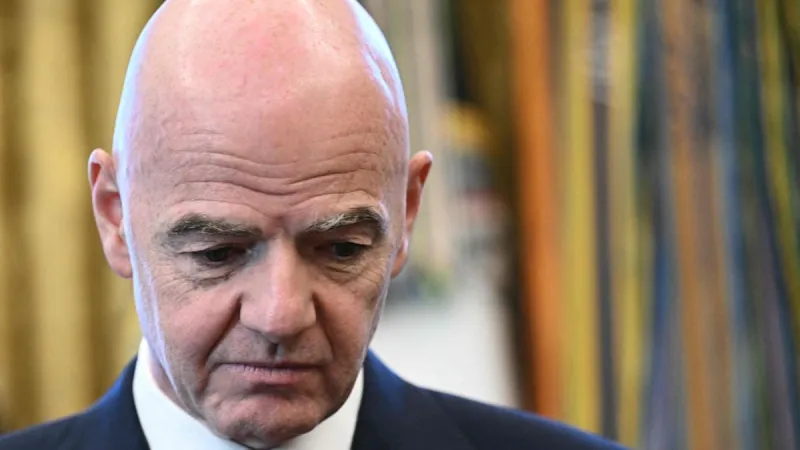
ZURICH – FIFA President Gianni Infantino confronts escalating pressure and a growing sense of isolation within the global football community following the recent collapse of his ambitious investor project. The significant setback has triggered widespread speculation about his long-term tenure, with critics suggesting he faces formidable challenges to maintain his position at the helm of the sport’s governing body. This pivotal moment casts a shadow over the future direction of international football.
The failure of the proposed investment initiative, intended to inject substantial capital into FIFA-backed competitions and development programs, represents a considerable blow to Infantino's strategic vision. What was heralded as a transformative financial venture ultimately faltered amid internal dissent and external scrutiny, leaving the organization to reassess its economic roadmap.
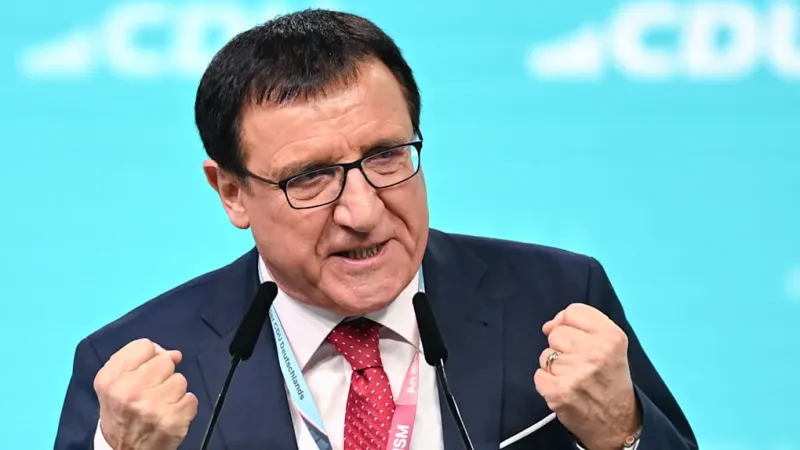
The aftermath of this collapse has painted a stark picture for the FIFA chief. Walter M. Straten, Deputy Editor-in-Chief Sport at Bild, offered a candid assessment of the situation. "He faces difficult months ahead to even stay in power," Straten declared, underscoring the severity of the political headwinds now confronting Infantino.
Straten's commentary highlights a sentiment increasingly echoed across various footballing circles: that the once seemingly unassailable leadership of Infantino is now genuinely vulnerable. The German sports editor's observations suggest a significant shift in internal power dynamics and external perceptions of the global football leader.
The investor project, which sought to secure billions in funding from external consortiums, was designed to underpin FIFA's expanded competitions and generate new revenue streams. Its unceremonious abandonment signals a deeper struggle for consensus within the executive ranks and among the influential confederations that constitute FIFA's power base.
This current crisis is not an isolated incident but rather the latest in a series of challenges that have tested Infantino’s leadership. Just a few years prior, he faced considerable pushback and ultimately reversed course on plans for an extensive World Cup privatization, a move that similarly exposed divisions within the sport's global governance structure. For more on that previous controversy, read Infantino Reverses Course on World Cup Privatization Amid Division.
Sources close to FIFA, who requested anonymity to speak freely, indicate that the failure of the investment scheme has exacerbated a feeling of political solitude around the president. His ability to rally support for bold, financially transformative projects appears to have diminished, leading to a perceived weakening of his authority among key stakeholders.
The concept of isolation is particularly potent in a highly political organization like FIFA, where alliances and collaborative support are crucial for effective governance. A leader without strong internal backing can find even routine decisions become arduous, and ambitious initiatives prone to collapse.
The upcoming months will therefore prove critical for Infantino. Observers anticipate intensified internal maneuvering as various factions within FIFA assess the fragility of his position. The outcome could significantly influence the direction of future World Cups, continental championships, and the distribution of football's vast wealth.
For a leader who has consistently sought to expand FIFA's global influence and financial footprint, the current predicament represents a severe test of resilience. The perception of a besieged president could embolden challengers and lead to a more fragmented leadership landscape within the organization.
The immediate fallout includes questions regarding FIFA's ability to secure alternative funding for its ambitious projects, particularly those aimed at developing football in less affluent regions. The investor project was touted as a solution to these financial aspirations, and its failure leaves a considerable void.
Analysts suggest that Infantino's response to this significant setback will define his short-term future. A strategic pivot, a reassertion of authority, or a willingness to compromise with dissenting voices could determine whether he can regain lost ground and consolidate his position before the next election cycle.
The global football community, comprising national associations, leagues, clubs, and player unions, will closely monitor developments in Zurich. The stability of FIFA's leadership has profound implications for the sport's integrity, its commercial viability, and its capacity to grow worldwide.