 Debby Wijaya
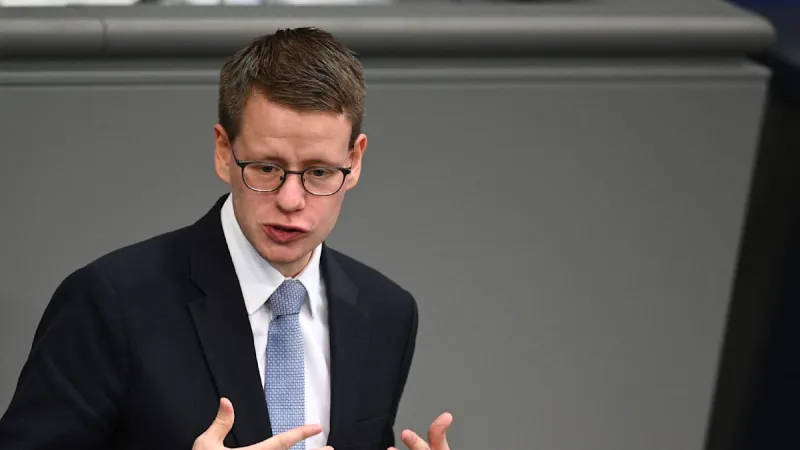
BERLIN - A leading voice from the Christian Democratic Union (CDU), Daniel Kölbl, who serves as a member of the Bundestag's Young Group, is steadfastly championing the long-sought reduction of Germany's electricity tax. Kölbl asserts that the nation's current budgetary strength is more than sufficient to absorb the estimated 5 billion euro cost of such a measure, emphasizing continued commitment to the initiative.
Kölbl conveyed his unwavering conviction regarding the feasibility of this financial maneuver, stating, "I am convinced that the budget volume is large enough that 5 billion euros should be found somewhere." This declaration underscores the persistent pressure from within Germany's political factions to alleviate the financial burden on households and industries.
The call for lowering the electricity tax comes at a critical juncture for the German economy. High energy costs have been a significant concern for consumers grappling with inflation and for businesses striving to maintain competitiveness in a challenging global market. The proposed reduction aims to provide tangible relief.
For years, the electricity tax, initially implemented to fund renewable energy development, has been a contentious point in German fiscal policy. While its foundational purpose was widely supported, its increasing impact on daily costs has led to calls for reevaluation, especially as other funding mechanisms for green initiatives have matured.
Critics of the current tax level argue that it disproportionately affects lower-income households and small-to-medium enterprises, which often lack the resources to invest in extensive energy efficiency measures or alternative power sources. A reduction could stimulate economic activity and boost consumer spending.
Kölbl's optimism about finding the necessary funds within the federal budget signals a robust debate expected within parliamentary circles. Germany's budget for 2026 is under scrutiny, with various spending priorities vying for allocation. The Bundestag faces the challenge of balancing fiscal prudence with public demands for economic relief.
The Young Group in the Bundestag, representing a newer generation of political leaders, often brings fresh perspectives and sometimes challenges established fiscal orthodoxies. Their endorsement of a significant electricity tax cut highlights a pragmatic approach to addressing contemporary economic pressures on citizens.
Past discussions surrounding the electricity tax have often focused on balancing environmental goals with economic realities. Proponents of the tax argue for its role in incentivizing sustainable practices and contributing to climate protection efforts. However, Kölbl's current proposal suggests a belief that these goals can be pursued without maintaining the existing high tax burden.
While the CDU is currently not the leading party in the federal coalition, its advocacy through figures like Kölbl keeps the issue at the forefront of the political agenda. Such proposals can influence public discourse and pressure the ruling parties to consider similar measures or justify their existing stances.
The specific figure of 5 billion euros represents a substantial sum within the federal budget, reflecting either the estimated revenue generated by the tax at its current rate or the targeted amount of reduction. Securing such an allocation would necessitate broad political consensus or significant concessions.
The debate over the electricity tax is intricately linked to Germany's broader energy policy, including its transition away from fossil fuels and its commitment to renewable sources. Any adjustments to this tax must be considered within the context of these overarching strategic objectives.
Should the proposed electricity tax reduction materialize, it could set a precedent for future fiscal adjustments aimed at directly alleviating citizen costs in areas critical to daily life. It also serves as a test of the government's flexibility in responding to economic challenges.
The ongoing discourse around the electricity tax underscores the dynamic nature of German politics, where economic pressures frequently drive calls for policy adjustments. The coming months will reveal the extent to which Kölbl's conviction translates into concrete legislative action within the Bundestag.