 Edward DP Situmorang
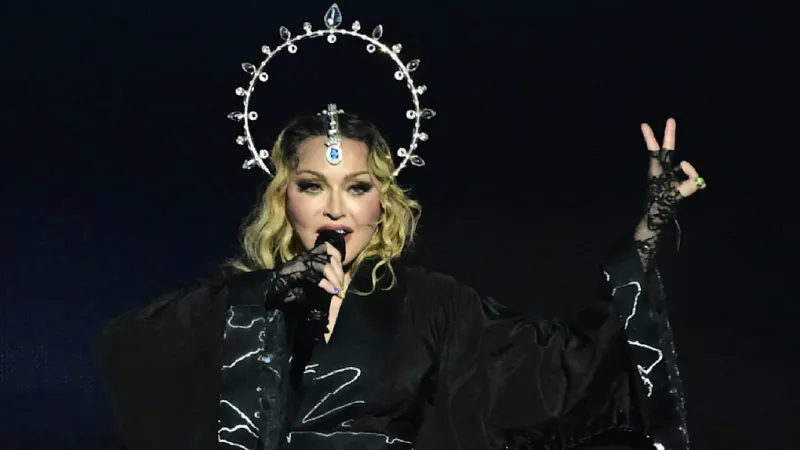
DOHA, QATAR – Anticipation is building around the upcoming World Cup Final, not solely for the athletic prowess on the pitch, but for an expected star-studded halftime spectacle featuring global music titans Madonna, Shakira, and Justin Bieber. However, questions persist regarding the feasibility of such a grand production within the FIFA mandated 15-minute interlude, reminiscent of the elaborate Super Bowl halftime shows. The International Federation of Association Football, FIFA, has remained conspicuously silent on the logistical challenges.
The concept of an extravagant halftime performance has gained significant traction in major sporting events, with the American Super Bowl setting a high benchmark for musical extravaganzas. Organizers for the World Cup appear keen to replicate this grandiosity, aiming to transform the football final into a comprehensive entertainment event that transcends the sport itself.
The crucial dilemma centers on the severe time constraints. Fifteen minutes is a tight window, not only for the artists to perform multiple hits but also for the intricate stage setup and teardown required for such high-caliber productions. Past Super Bowl shows, while often lauded, have themselves pushed the boundaries of their respective allotted times.
Madonna, the undisputed Queen of Pop, brings decades of iconic performances and a vast catalog of hits. Shakira, renowned for her electrifying dance moves and global appeal, commands stages with undeniable energy. Justin Bieber represents a younger generation of pop superstardom, capable of generating immense excitement. Each artist typically requires substantial stage time for their full impact.
FIFA officials have yet to issue any public statements or clarifications regarding the anticipated show's structure, the artists involved, or how the logistical hurdles will be overcome. This lack of transparency has fueled speculation among fans and industry insiders alike, who are keenly awaiting details.
While previous World Cup opening and closing ceremonies have featured prominent musicians, the halftime show tradition has generally been more subdued compared to its American football counterpart. The current aspirations suggest a significant pivot towards a more entertainment-centric model, raising expectations considerably.
Beyond the performances, a grand show entails elaborate lighting, pyrotechnics, backup dancers, costume changes, and often complex stage elements that must be moved onto and off the pitch rapidly to avoid delaying the game. Every second is meticulously accounted for, making the inclusion of multiple headliners exceptionally challenging.
Millions of viewers worldwide tune into the World Cup Final, making it one of the most-watched sporting events globally. The halftime show presents an unparalleled opportunity for artists to reach a massive audience, but also places immense pressure on organizers to deliver a flawless, memorable spectacle within the given parameters.
The focus on such an elaborate entertainment segment also prompts questions about its potential impact on the football match. Some purists argue that the spectacle might overshadow the sport, while others welcome the added entertainment value, believing it broadens the appeal of the event.
Discussions surrounding FIFA's operational decisions are not new. The organization often faces scrutiny over various aspects of the tournament, from host city selections to player welfare. For instance, recent reports detailed concerns over Yamal Injury Shadows Spain's World Cup Final Bid; FIFA Faces Falklands Demand, highlighting the complex issues FIFA navigates during major events.
As the World Cup Final approaches, the global audience remains captivated by the impending musical showcase. Whether FIFA can orchestrate a seamlessly integrated, high-impact performance featuring multiple music icons in a mere quarter-hour remains one of the tournaments most intriguing unknowns, promising either a spectacular success or a logistical lesson.