 Stefani Rindus
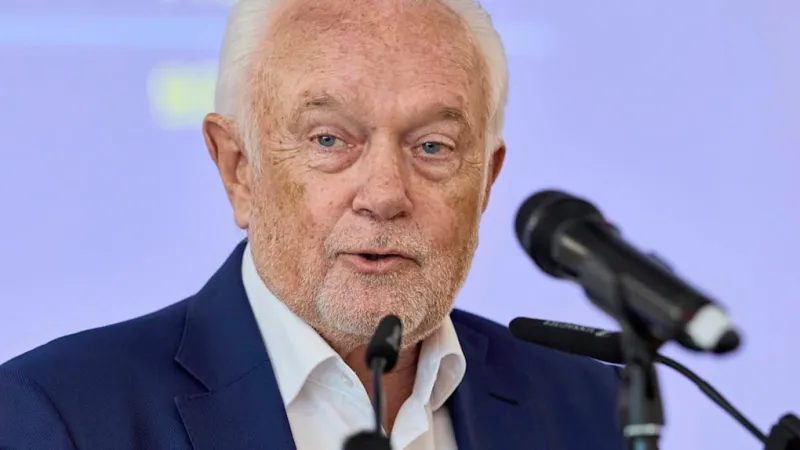
FDP leader Wolfgang Kubicki launched a scathing critique against the German government in a recent column, asserting its perceived incompetence actively drives the nation's economic decline and warning of permanent industrial closures. He explicitly stated his belief that the government appears intoxicated by its own inability, posing a grave danger to the country's future.
"I find it dangerous that our government revels in its incompetence," Kubicki wrote, underscoring the severity of his concerns. He added a stark warning, declaring, "The factory gates that are now closing will not reopen."
Kubicki's sharp words come amidst growing apprehension about Germany's economic trajectory. The nation, long considered an industrial powerhouse, faces formidable challenges including inflation, energy price volatility, and a slowdown in key export markets.
The FDP chief directly implicated the ruling coalition in this downturn, suggesting that policy missteps and a lack of decisive action exacerbate existing pressures on businesses and industries across the country.
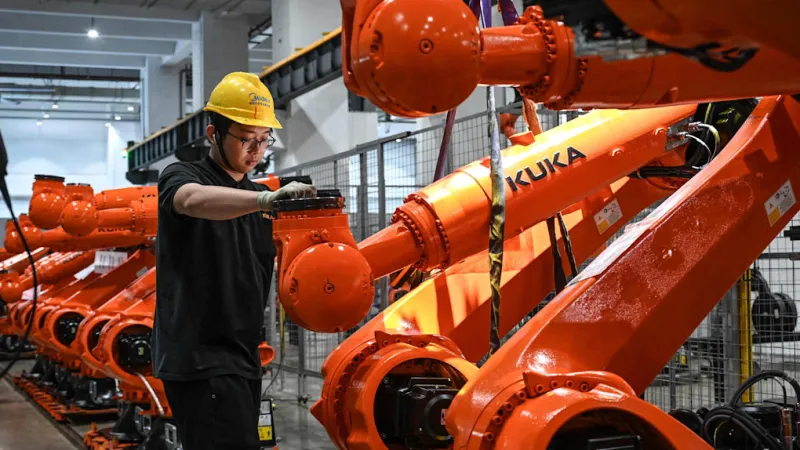
His reference to closing factory gates highlights the tangible, long-term consequences he foresees for the German manufacturing sector, a cornerstone of its prosperity and employment. Such closures often signify irreversible job losses and an erosion of industrial capacity.
Kubicki's remarks reflect a broader undercurrent of dissatisfaction within the German political landscape. Public sentiment and recent polling suggest wavering confidence in the current administration's ability to steer the economy effectively. This aligns with recent reports that the German Union Plummets to Five-Year Poll Low Ahead of Key Elections.
As a prominent figure within one of the coalition parties, Kubicki's public condemnation signals internal friction and a demand for greater governmental accountability in addressing the economic challenges gripping the nation.
This is not the first instance of a leading politician expressing strong reservations about the economic direction. However, Kubicki's direct language and specific accusation of "reveling in incompetence" mark a significant escalation in the level of criticism.
The warning that closed factory gates "will not reopen" serves as a dire prediction, implying a potential permanent shift in Germany's industrial landscape if current trends persist and the government fails to implement effective countermeasures.
Kubicki's column thus provides a potent commentary on the perceived failures of the German government, fueling public debate on economic policy and the leadership required to navigate these turbulent times.