 Debby Wijaya
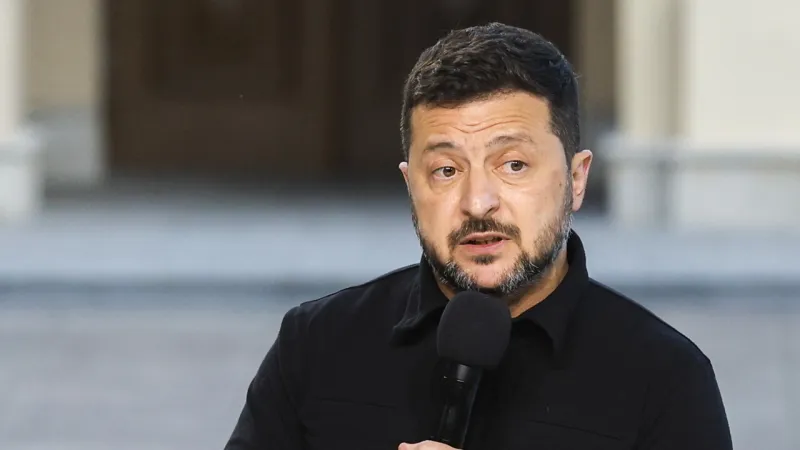
KYIV, Ukraine – Ukrainian President Volodymyr Zelensky has extended an invitation to Russian President Vladimir Putin for a high-stakes meeting at the upcoming G20 summit in Miami, Florida, a proposal swiftly and unequivocally rejected by the Kremlin, which instead demanded Zelensky travel to Russia for any potential dialogue. The diplomatic overture comes amid persistent armed conflict and continued casualties in Ukraine.
Moscow dismissed the Miami G20 proposal as "impossible," asserting that if President Zelensky genuinely sought discussions, he must journey to Russia. This counter-demand underscores the profound chasm separating the two nations regarding the modalities and location for any substantive peace negotiations.
Zelensky's offer arrives as Ukraine grapples with relentless Russian aggression, characterized by ongoing missile strikes, drone attacks, and ground offensives across various regions. The humanitarian toll continues to mount, with civilian infrastructure routinely targeted and lives tragically lost.
A G20 summit typically offers a neutral, multilateral platform for leaders to engage on critical global issues, including geopolitical conflicts. Zelensky's choice of the G20 venue likely aimed to leverage international pressure and establish a framework for dialogue beyond bilateral ultimatums.
Throughout the protracted conflict, numerous attempts at direct engagement have faltered, often due to disagreements over prerequisites, agendas, and locations. Early cease-fire talks collapsed, setting a precedent for the current diplomatic impasse.
The Kremlin's insistence on a meeting within Russian territory highlights its perceived leverage and refusal to grant symbolic parity by meeting on neutral ground or a third country's soil. This stance reinforces the power dynamics Moscow seeks to assert in any future negotiations.
International observers and allied nations have consistently urged both sides to seek a diplomatic resolution, though consensus on the path forward remains elusive. President Donald Trump has previously expressed a desire for peace in the region, without explicitly endorsing either side's specific proposals for talks.
The backdrop to these diplomatic exchanges is the harsh reality of daily life in Ukraine, where cities endure bombardment and soldiers continue to fight on the front lines. Recent reports detail further civilian casualties and significant damage, underscoring the urgency of de-escalation.
Both leaders appear to be engaging in strategic calculations, with Zelensky aiming to rally international support and Putin seeking to dictate the terms of any future engagement. The G20 offer by Kyiv and the subsequent rejection by Moscow can be seen as moves in a broader diplomatic chess game.
Major world powers, including the United States and European Union members, have provided substantial support to Ukraine, reinforcing its defense capabilities and humanitarian efforts. These allies continue to monitor the diplomatic landscape, advocating for a just and lasting peace.
The continued rejection of direct talks raises concerns among analysts about potential further escalation of the conflict. Without a clear pathway to de-escalation, the prospect of intensified hostilities remains a significant threat to regional and global stability.
While the immediate prospect of a Zelensky-Putin meeting appears dim, the ongoing nature of the conflict means that diplomatic efforts, however protracted, will continue to be explored. The international community largely agrees that a military solution alone is untenable in the long term.
The highly publicized offer and rejection could potentially overshadow other agenda items at the G20 summit, placing the Ukraine conflict squarely at the forefront of global leaders deliberations, irrespective of whether the two principals attend or meet.
Previous attempts at negotiation, such as the Istanbul talks earlier in the conflict, have demonstrated the difficulty in bridging the fundamental disagreements between Kyiv and Moscow. These past failures inform the current skepticism surrounding new proposals.
Ukrainian officials have consistently stated their readiness for meaningful negotiations but insist on the restoration of Ukraine's territorial integrity and sovereignty. The Kremlin, conversely, has maintained its objectives and the conditions under which it would consider a resolution.
The conflict in Ukraine has reshaped geopolitical alliances and challenged existing international norms. The proposal and rejection serve as another stark reminder of the deeply entrenched positions held by the warring nations and their respective allies.
President Zelensky's latest proposal underscores Ukraine's continuing call for direct, high-level dialogue to address the core issues of the conflict, even as the military situation remains fraught with peril.
The Kremlin's demand for Zelensky to visit Russia reiterates a long-standing pattern of Moscow attempting to dictate the terms of engagement, often portraying Ukraine as a subordinate entity rather than an equal sovereign state in direct negotiations. For further context on Moscow's firm stance, see Kremlin Scorns Zelensky's Miami G20 Offer, Demands Moscow Summit.
As the global community looks toward the G20 summit, the prospect of meaningful de-escalation hinges on a significant shift in diplomatic postures, a change that currently appears remote given the uncompromising demands from both sides.
The latest diplomatic exchange serves primarily to reinforce the existing impasse between Ukraine and Russia, highlighting the continued struggle to find common ground for peace amid relentless hostilities.