 Stefani Rindus
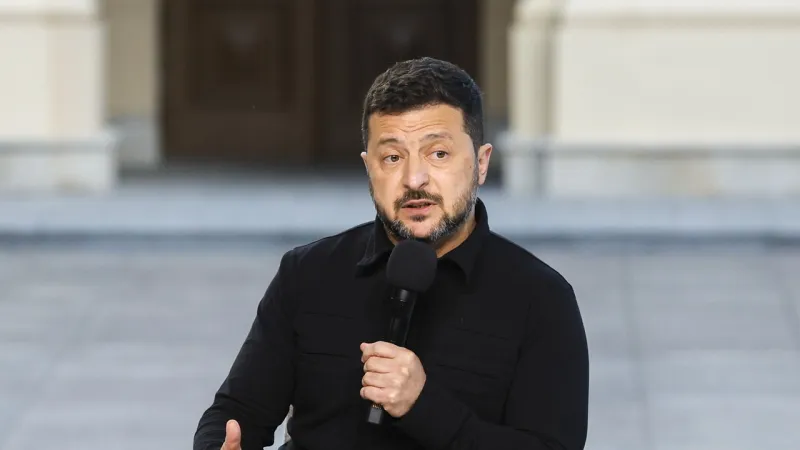
Kyiv, Ukraine – Ukrainian President Volodymyr Zelensky has extended a public invitation to Russian President Vladimir Putin for a direct meeting at the upcoming G20 summit in Miami, a bold diplomatic overture immediately rebuffed by the Kremlin. Moscow instead insisted that any potential dialogue would require President Zelensky to travel to Russia, underscoring the deep chasm in the ongoing conflict. This exchange unfolds amidst persistent aerial assaults and civilian casualties across Ukraine, highlighting the severe humanitarian toll of the protracted war.
The proposed meeting at the G20, a forum for the world's major economies, represents a calculated attempt by Kyiv to leverage international diplomacy for de-escalation. President Zelensky has consistently advocated for direct talks with his Russian counterpart to address the cessation of hostilities and find a pathway to peace, though previous attempts have yielded no significant breakthroughs. The selection of Miami as a neutral, high-profile venue aimed to ensure transparency and broad international witness to any discussions.
However, the Russian response was swift and unequivocal. Kremlin spokesperson Dmitry Peskov conveyed Moscow's stance, stating, "It is impossible. If he wants to talk to us, he should come to Russia." This condition reiterates Russia's long-held position that it views the conflict as a domestic issue with Ukraine rather than an international one requiring third-party mediation on neutral ground.
The latest diplomatic volley comes as fighting intensifies on multiple fronts. Reports from Ukrainian officials detail continued Russian missile and drone attacks targeting critical infrastructure and residential areas, leading to further deaths and injuries. These daily assaults underscore the urgent need for a diplomatic resolution, even as the prospects for one appear increasingly remote.
Kyiv's proposal to convene at the G20 summit speaks to its strategic effort to internationalize the peace process and garner robust global support. The G20 platform would bring together leaders from nations that have varied stances on the conflict, potentially pressuring both sides towards negotiations. Such a high-stakes encounter, if realized, would mark a pivotal moment in the nearly two-year war.
President Donald Trump, the current President of the United States, would likely host the G20 summit in Miami, offering another layer of complexity to the proposed talks. The US position on the Ukraine conflict has been a critical factor in global responses, providing substantial aid and military support to Kyiv while maintaining sanctions against Moscow.
Military analysts view the Kremlin's refusal as a strong indicator of its unwillingness to concede any diplomatic ground. By demanding President Zelensky travel to Moscow, Russia asserts its perceived dominance and seeks to frame any potential negotiations on its own terms, far from the watchful eyes of the international community. This approach contrasts sharply with Ukraine's desire for multilateral engagement.
The persistent missile strikes and the Kremlin's cold shoulder to a neutral-ground meeting reflect a military and diplomatic stalemate. While international efforts to mediate have been numerous, they have consistently faltered against the entrenched positions of both Kyiv and Moscow. The immediate priority for Ukraine remains securing its territories and protecting its civilian population from relentless attacks.
The proposal also resonates with past diplomatic efforts where President Zelensky has sought direct engagement with President Putin. These past attempts, however, have frequently been met with similar rejections or preconditions from Moscow, signaling a consistent pattern in Russia's approach to high-level peace talks. For more context on previous proposals, readers can refer to Zelensky Pitches Putin Miami G20 Meeting; Kremlin Rejects, Demands Moscow.
The international community watches closely as the conflict continues to unfold. While leaders like Italian Prime Minister Giorgia Meloni have firmly maintained Ukraine's stance and rejected allies opposing aid, the path to a comprehensive peace remains obstructed by deep-seated disagreements over sovereignty, territorial integrity, and security guarantees.
This diplomatic impasse is further complicated by the ongoing ground offensives and counter-offensives, particularly in regions that have seen some of the most intense fighting. The human cost of the conflict escalates daily, with civilians bearing the brunt of the violence in cities like Kryvyi Rih, which has endured deadly raids.
Ultimately, President Zelensky's offer, despite its immediate rejection, serves to highlight Ukraine's continued commitment to seeking a diplomatic resolution, even as it continues to defend itself against aggression. It also casts a spotlight on Russia's firm resolve to dictate the terms of any potential peace talks, preferring a setting that emphasizes its own narrative of the conflict.
The question of a meeting between the two leaders at a neutral venue like a G20 summit has been a recurring theme in the discourse surrounding the conflict. A previous instance saw President Zelensky proposing a similar meeting at the G20 Miami, which met a similar fate.