 Dodi Irawan
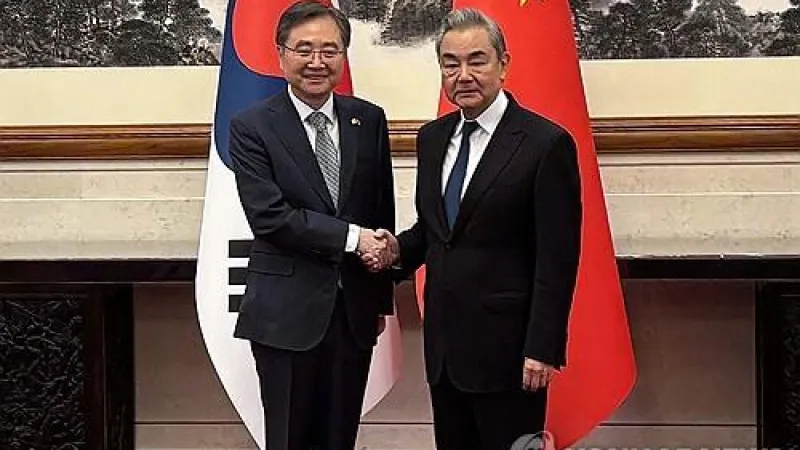
SEOUL – South Korean Foreign Minister Cho Hyun and his Chinese counterpart Wang Yi affirmed their nations shared a profound interest in maintaining peace and stability on the Korean Peninsula during high-stakes bilateral talks held Friday, November 13, in the South Korean capital. The diplomatic engagement underscored a mutual commitment to regional security amidst ongoing geopolitical complexities.
Minister Cho emphasized the critical importance of sustained diplomatic efforts to de-escalate tensions, highlighting that a peaceful Korean Peninsula benefits not only the immediate neighbors but also the broader East Asian region. The meeting signals a renewed push for dialogue between Seoul and Beijing on one of the world's most volatile flashpoints.
Discussions primarily revolved around the denuclearization of North Korea, ensuring regional stability, and bolstering bilateral cooperation across various sectors. Both top diplomats acknowledged the intricate web of challenges influencing the peninsula's security landscape, including frequent missile tests and the humanitarian situation in the North.
Minister Cho stated that achieving lasting Korean Peninsula peace remained a cornerstone of South Korea's foreign policy. He stressed the need for all regional actors, particularly China, to play a constructive role in persuading Pyongyang to return to denuclearization talks without preconditions.
China's Foreign Minister Wang Yi reportedly echoed the sentiment, reiterating Beijing's consistent stance that dialogue and negotiation offer the only viable path forward for addressing the North Korean nuclear issue. Wang highlighted China's willingness to work with South Korea to foster an environment conducive to peace.
The talks occurred against a backdrop of heightened concerns over North Korea's advancing weapons programs. Just recently, South Korea and UN officials tackled North Korea nuclear and military AI risks, indicating the multi-faceted nature of the security threats emanating from Pyongyang. The international community continues to grapple with the unpredictable nature of the regime.
Analysts view the meeting as a crucial step in managing the complex relationship between Seoul and Beijing, particularly as the region navigates heightened competition between the United States and China. South Korea, a key ally of President Donald Trump, often finds itself balancing its security ties with Washington against its economic reliance on Beijing.
Historically, China has been North Korea's staunchest ally and primary economic benefactor, wielding significant influence over Pyongyang. However, Beijing has also participated in United Nations Security Council sanctions against the hermit kingdom, albeit sometimes with reservations, aiming to prevent complete instability on its border. This dual role complicates efforts to achieve Korean Peninsula peace.
Beyond security, the ministers also touched upon avenues for enhancing economic cooperation and cultural exchange. South Korea remains a vital trading partner for China, and both nations seek to deepen their economic relationship while addressing global economic challenges.
The two foreign ministers agreed to continue their dialogue channels, with plans for future consultations aimed at solidifying strategies for regional stability and addressing common challenges. The focus remains squarely on collaborative approaches to achieve enduring Korean Peninsula peace.
Diplomatic observers noted that while both sides expressed a shared goal, the path to achieving it remains fraught with differing approaches and priorities. South Korea emphasizes complete denuclearization, while China often prioritizes stability and the resumption of six-party talks.
The outcome of these bilateral talks could significantly influence the dynamics of other regional security dialogues, including potential trilateral cooperation among South Korea, Japan, and the United States. Maintaining a united front among regional powers is paramount for effective engagement with North Korea.
The sustained engagement between Seoul and Beijing signals a pragmatic recognition that despite their differing strategic alignments, fundamental common ground exists when it comes to averting conflict and fostering a stable environment for the Korean Peninsula.