 Angela Stefani
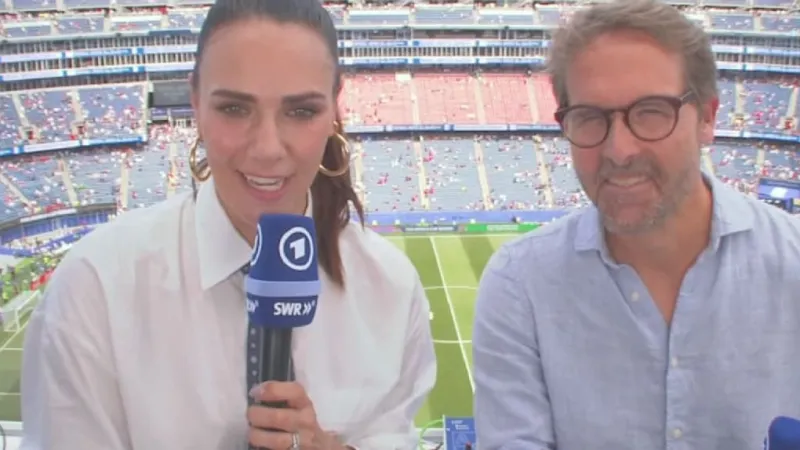
A minor pre-match disruption unfolded for German public broadcaster ARD when former football captain Bastian Schweinsteiger, a prominent pundit, arrived late for his scheduled appearance before the France-Morocco FIFA World Cup quarterfinal. The unexpected delay necessitated a last-minute substitution, with an unannounced expert joining host Esther Sedlaczek as the program commenced.
Millions of viewers tuned into ARD, Germany's premier public television network, expecting the customary pre-game analysis from its established panel. The segment was crucial, offering insights ahead of a highly anticipated match between the defending champions France and the surprising Moroccan squad. The encounter held significant weight, determining who would advance in the tournament.
The live broadcast began with a noticeable alteration to the expert lineup. Alongside seasoned presenter Esther Sedlaczek, an unfamiliar face occupied the analyst's chair, rather than the anticipated Bastian Schweinsteiger. This impromptu change immediately sparked speculation among viewers and on social media.
Sources close to the production indicated that Schweinsteiger, a World Cup winner with Germany in 2014, was en route but encountered unforeseen circumstances that delayed his arrival. Reports suggest he made a full effort to reach the studio promptly, demonstrating significant commitment despite the delay.
Live television, particularly during major international sporting events like the FIFA World Cup, operates on strict schedules. Any deviation, however minor, can cause a ripple effect across production and programming. The quick thinking by the ARD team to deploy a standby expert ensured continuity for the crucial pre-match show.
Schweinsteiger has become a fixture in German football commentary, valued for his tactical acumen and direct insights. His presence is a significant draw for ARD's World Cup coverage, making his temporary absence a notable event in the German sports media landscape.
The interim expert adeptly filled the void, providing initial analysis and setting the stage for the quarterfinal match. The seamless transition underscored the preparedness of major broadcasters to manage unexpected challenges during high-stakes live events.
This incident, while brief, highlights the inherent unpredictability of live broadcasting and the vital role of production teams in maintaining an uninterrupted viewer experience. It also serves as a testament to the depth of talent available to leading networks for expert commentary.
Despite the initial hiccup, Bastian Schweinsteiger eventually joined the broadcast, taking his customary position later in the program. His arrival allowed him to contribute to the ongoing analysis of the France-Morocco game, providing his perspectives as the match unfolded.
His delayed appearance quickly became a talking point, momentarily diverting attention from the impending football clash to the behind-the-scenes drama. It offered a rare glimpse into the logistical complexities that underpin large-scale sports broadcasts and the human element involved.
The incident did not, however, detract from the overall quality of ARD's coverage. The network maintained its reputation for comprehensive and insightful sports journalism, adapting swiftly to an unforeseen personnel change.
For more on the match itself, readers can review coverage such as Morocco's World Cup Dream Faces French Test in Quarterfinal Opener and Atlas Lions Roar: Morocco Challenges France in Historic World Cup Semifinal.
Ultimately, the momentary absence of Bastian Schweinsteiger served as a minor footnote in the broader narrative of the FIFA World Cup, quickly overshadowed by the drama on the pitch and the performance of the competing nations.