 Robert Andrison
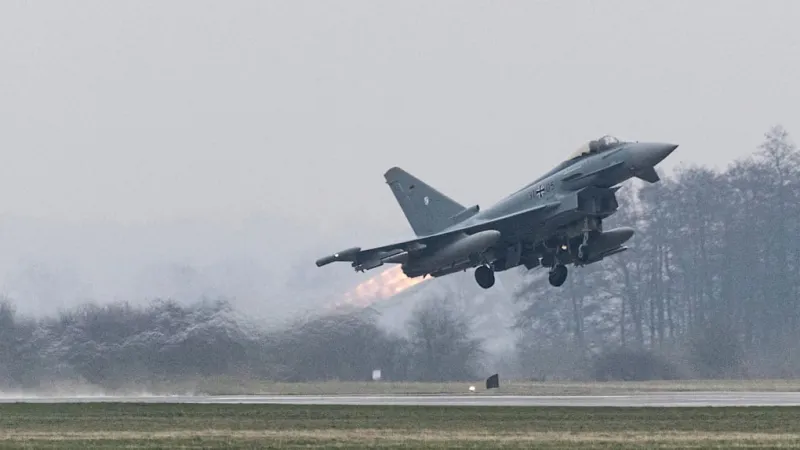
Ankara, Turkey – European heads of state and government convened at a pivotal NATO summit here, demonstrating a resolute commitment to bolster the alliance by effectively compensating for strategic adjustments following a partial United States withdrawal. Confidential information obtained by WELT indicates this concerted effort is proving successful, with Germany making a notable and substantial contribution to alliance readiness in 2026.
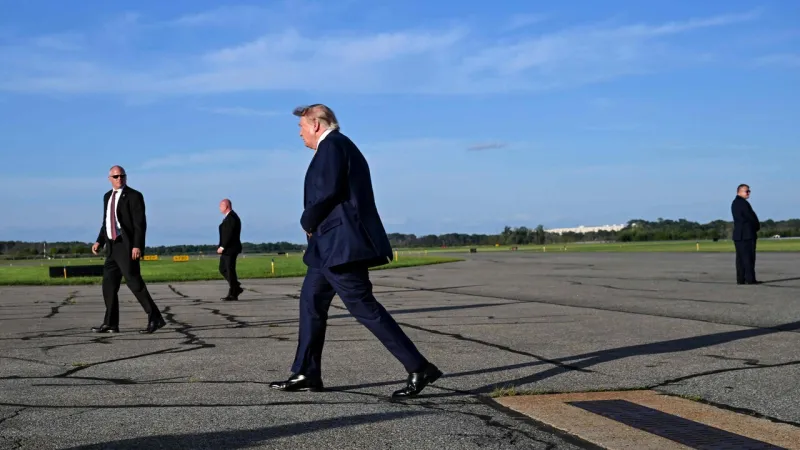
The backdrop to this urgent European initiative is President Donald Trump's continued recalibration of US troop deployments and defense commitments abroad. Since assuming office, President Trump has consistently advocated for greater burden-sharing among NATO members, prompting European allies to reassess their individual and collective defense postures. This partial US drawdown has necessitated a tangible response to maintain NATO's robust deterrent capabilities.
In response, European nations have intensified discussions and coordinated strategies to ensure seamless operational continuity and a fortified collective defense. The Ankara summit serves as a critical platform for these nations to showcase their collective resolve and demonstrate that the alliance remains resilient and fully capable of addressing contemporary security challenges without compromise.
Among the European states, Germany's contribution has emerged as particularly significant. Its leadership in defense spending and force development underscores a profound understanding of its enhanced strategic responsibilities within the alliance. Berlin's efforts aim not merely to fill a void but to strategically enhance key areas of NATO operations.
While specific details of Germany's enhanced contributions remain subject to ongoing deliberations and security protocols, sources indicate a focus on areas such as increased logistical support, specialized reconnaissance capabilities, and the deployment of advanced military assets. These moves are designed to integrate seamlessly with existing NATO structures and operational plans.
This proactive stance by European members, especially Germany, is crucial for the future of transatlantic relations. It underscores a shared responsibility for global security and strengthens the foundation of the NATO alliance, which has historically been underpinned by US leadership. The ability to autonomously manage internal shifts reinforces Europe's strategic sovereignty.
The coordinated European response reaffirms the bedrock principle of Article 5, the collective defense clause, signaling to both allies and potential adversaries that an attack on one NATO member remains an attack on all. This unwavering commitment is paramount in an increasingly complex geopolitical landscape.
Discussions surrounding European defense capabilities have gained renewed urgency since President Trump's initial statements on alliance funding. This summit represents a tangible turning point, moving beyond rhetorical commitments to concrete actions that secure the alliances future. Experts have previously weighed in on these implications; for further insight, read about how experts question Trump's long-term NATO vision.
The push for greater European defense autonomy has been a recurring theme, evolving significantly over recent years. This current initiative solidifies the vision of a more self-reliant European pillar within NATO, capable of addressing regional and global threats effectively.
Beyond troop deployments, the financial dimension of these European contributions is also paramount. Many member states are increasing their defense budgets, signaling a collective commitment to meeting and exceeding the 2 percent of GDP spending target. This surge in spending aligns with the calls for greater burden-sharing. Relatedly, NATO Allies recently announced multi-billion arms deals amid a defense spending surge.
The strategic implications of Europe successfully filling the gaps are profound. It projects an image of a cohesive and unified alliance, less susceptible to external pressures or internal divergences in policy. This strengthened European pillar enhances NATO's overall strategic flexibility.
Turkey, as the host nation for this critical summit, plays a significant role in facilitating these discussions and demonstrating alliance solidarity. Its geographical position and military capabilities are integral to NATO's southeastern flank, making Ankara an appropriate venue for these crucial deliberations.
The success observed at the Ankara summit will likely set a precedent for future NATO engagements, encouraging continued European investment in defense and further integration of military capabilities. The alliance continues to adapt to evolving global threats and the dynamic shifts in international relations.