 Stefani Rindus

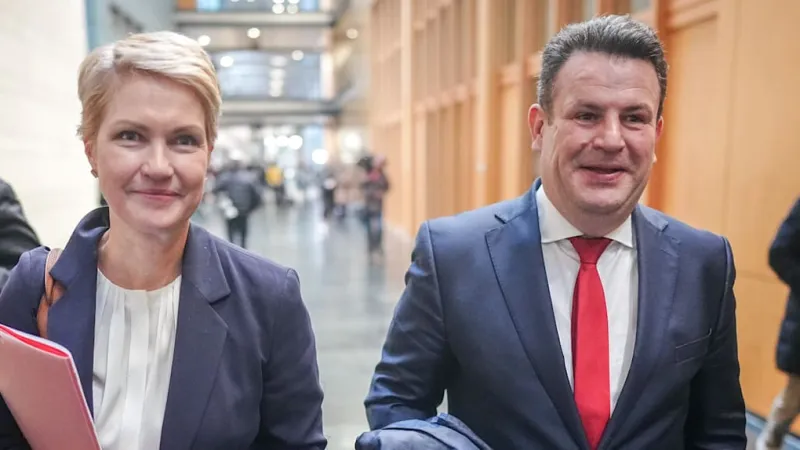
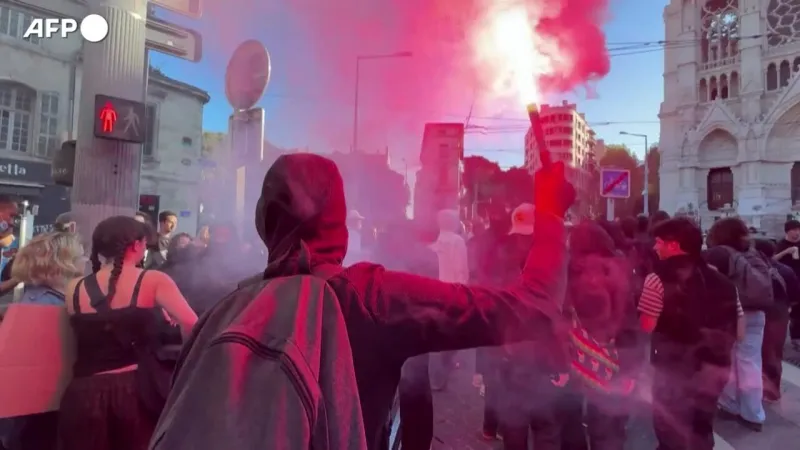
BERLIN – A contentious debate erupted in the German Bundestag today as Left Party Member of Parliament Lisa Schubert unequivocally urged Generation Z to actively "take the streets," advocating for direct public engagement in their protests. Her provocative statement immediately drew sharp criticism from Family Minister Karin Prien, who firmly rejected the call for escalating street action among the youth.
Schubert, speaking during an Aktuelle Stunde, or Current Hour, dedicated to the burgeoning influence and concerns of Gen Z, positioned her remarks as a rallying cry for youth empowerment. She suggested that conventional political channels might be insufficient for the pressing issues faced by younger generations, thus necessitating more visible forms of dissent.
Her address underscored the growing frustration among segments of the youth regarding the pace of policy change on critical matters such as climate action, social equity, and economic opportunities. Schubert implied that direct action could serve as a powerful catalyst for legislative attention and societal transformation.
Minister Prien, representing the federal government, countered Schubert’s stance by emphasizing the importance of democratic processes and dialogue within established institutions. She argued that encouraging mass street action could potentially undermine constructive engagement and lead to societal division rather than resolution.
Prien highlighted governmental initiatives aimed at fostering youth participation, including digital forums and youth councils designed to integrate younger voices into policy-making. She underscored the government's commitment to addressing the concerns of Gen Z through parliamentary means and collaborative efforts, rather than confrontation.
The debate unfolded against a backdrop of increasing visibility for Gen Z-led movements across Germany. These movements have utilized both online platforms and public demonstrations to amplify their messages, covering a diverse range of issues from environmental protection to broader social justice.
This exchange underscores a broader ideological schism within German politics regarding the legitimacy and efficacy of different forms of political activism. While some parties advocate for more radical civic engagement, others prioritize stability and structured political discourse as the primary avenues for change.
Germany possesses a rich history of youth-led protest movements, from the student movements of the late 1960s that challenged societal norms to more recent environmental demonstrations that have significantly influenced public opinion and policy.
The impassioned parliamentary discussion is expected to resonate widely, particularly among young voters and activists. It may further galvanize those already inclined towards protest while also sparking broader conversations about the boundaries of acceptable political rhetoric in a democratic society.
As Generation Z continues to assert its presence in the political landscape, the tension between calls for direct action and advocacy for institutional engagement will likely remain a central theme in national discourse, influencing future policy debates and youth political participation.
The Aktuelle Stunde format, by design, allows for immediate and often spontaneous debates on current topics of significant public interest, providing a vital platform for lawmakers to express diverse viewpoints and engage in direct exchanges.