 Debby Wijaya
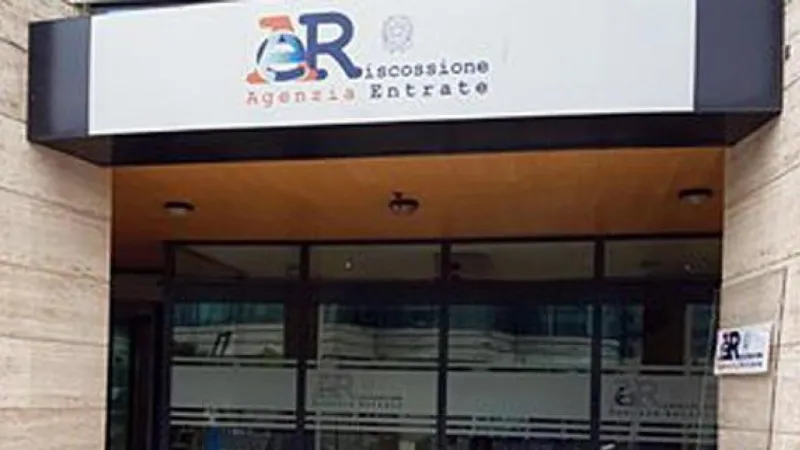
The Italian Tax Agency, Agenzia delle Entrate, has announced a significant pause in the dispatch of fiscal notifications throughout August, aiming to alleviate potential taxpayer anxiety. This decision comes alongside a clarification regarding the ongoing "rottamazione quinquies," or quinquennial debt scrapping scheme, for which local authorities face a firm deadline of July 31 to submit their adherence. The agency explicitly stated there would be "no storm of notifications" impacting citizens during the traditional summer holiday period.
This proactive communication from the nation's principal revenue collection body seeks to preempt widespread concern over a potential deluge of tax demands. For many Italian taxpayers, the prospect of receiving numerous payment requests or audit notices can be particularly stressful, especially during the summer months often associated with leisure and reduced bureaucratic activity.
The August moratorium on notifications provides a tangible reprieve, ensuring that individuals and businesses can navigate their summer holidays without the added burden of impending tax deadlines or new fiscal challenges arriving in their mailboxes. This operational adjustment reflects an understanding of public sentiment and the seasonal rhythm of the country.
Central to the agency's announcement is the continuation of the "rottamazione quinquies" program. This measure allows taxpayers to settle outstanding debts at reduced rates, often by waiving penalties and interest, making it an attractive option for those seeking to regularize their fiscal positions. It represents a recurring effort by the government to streamline debt recovery and offer relief.
Specifically, the July 31 deadline targets local authorities, which must formally declare their intention to participate in this extensive debt scrapping initiative. Their involvement is crucial, as it impacts the collection of local taxes and fines, potentially leading to a significant cleanup of municipal balance sheets.
The agency's dual message — reassuring the public about notification volumes while emphasizing a critical deadline for local government adherence — underscores a complex approach to fiscal management. It balances the need for efficient revenue collection with a desire to maintain public trust and ease administrative pressure during peak holiday seasons.
This move aligns with broader governmental efforts to reform and rationalize administrative procedures within Italy. Recent initiatives, such as the government's decision to review and disable illegitimate speed cameras, reflect a similar commitment to ensuring fairness and transparency in public administration. Italy Pulls Plug on Illegitimate Speed Cameras Amid Reform Push, for instance, showcased a responsiveness to public grievances regarding enforcement.
Historically, periods of intensive tax collection have often coincided with public dissatisfaction. By strategically pausing notifications, the Agenzia delle Entrate aims to avoid a repeat of such scenarios, fostering a more constructive relationship between the state and its citizens. This strategy also aims to prevent an overwhelming influx of inquiries and appeals during a period when administrative staff might be reduced due to vacations.
From an economic perspective, the "rottamazione quinquies" provides an opportunity for businesses and individuals to clear their liabilities, potentially freeing up capital for investment or consumption. For local authorities, participation can lead to a more realistic assessment of collectible revenues and a healthier financial outlook.
Further, the clarity offered by the Agenzia delle Entrate regarding both the August hiatus and the July 31 deadline is intended to promote compliance and reduce uncertainty. As the nation prepares for its summer pausa, taxpayers are advised to manage their fiscal obligations proactively before the August break to avoid any unforeseen issues later in the year.
This measured approach by the Italian Tax Agency demonstrates a commitment to both administrative efficiency and public welfare, navigating the intricate balance required to maintain a functional tax system within a society that values its summer traditions.