 Dorry Archiles
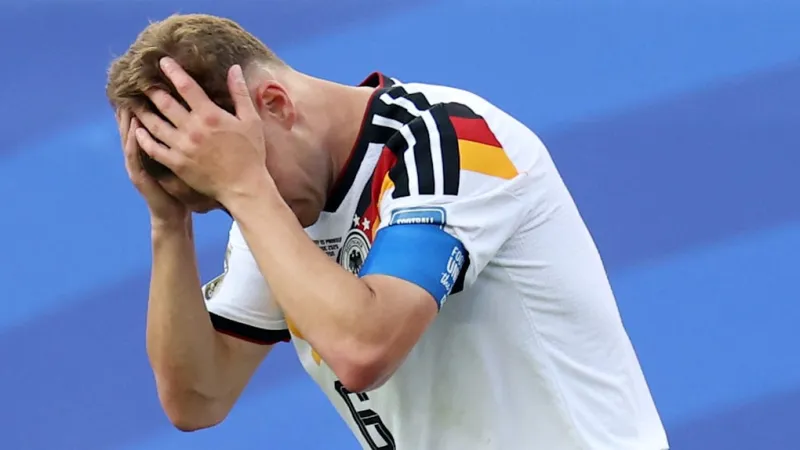
Joshua Kimmich, captain of the German national football team, has publicly confronted the widespread criticism and calls for systemic reform following the Mannschafts early elimination from the World Cup. Kimmich recently issued a personal statement, acknowledging the profound disappointment and intense public demand for accountability ignited by the teams performance in the tournament.
The Germanys World Cup campaign concluded prematurely, sparking a national debate over the future direction of its most cherished sport. This unexpected departure from the global stage marks another chapter of underperformance for a team historically recognized for its consistent excellence in international competition.
The outcry extends beyond mere results, encompassing tactical decisions, player commitment, and the broader organizational structure of the German Football Association (DFB). Pundits and fans alike have scrutinized every aspect, from team selection to a perceived lack of fighting spirit on the pitch, leading to significant national introspection.
In his much-anticipated remarks, Kimmich conveyed a deep personal burden resulting from the teams struggles. He expressed profound anguish over the teams inability to meet national expectations, describing the experience as emotionally draining and profoundly impactful on a personal level for him and his teammates.
This early exit is projected to have significant repercussions for German football, potentially leading to sweeping changes within the coaching staff and the DFB itself. Speculation is rife regarding the future of key personnel responsible for guiding the national program, indicating a period of significant transition.
This recent disappointment draws parallels to previous major tournament exits, intensifying scrutiny on the structural issues that critics argue have plagued the national team in recent years. Historically, Germany has often set benchmarks in international football, making the current trajectory particularly unsettling for long-standing supporters.
While Germany grapples with introspection, other nations have found success in the tournament. For instance, England prepared for crucial knockout battles, demonstrating the fierce competition and high stakes involved at this level. Such contrasting outcomes underscore the pressure on elite footballing nations.
As captain, Kimmich faces the formidable task of helping to lead the team through this challenging period of rebuilding. His leadership will be crucial in fostering unity and restoring confidence as the squad looks toward upcoming international fixtures and the next major championships, aiming for a swift return to form.
The role of captain carries immense responsibility, particularly in times of crisis. Kimmichs decision to speak out publicly underscores his commitment to addressing the issues head-on, even as public opinion remains sharply divided on the best path forward for the team.
Beyond tactics, questions about the teams mentality and resilience have surfaced prominently in public discourse. Kimmichs statement indirectly acknowledges these concerns, suggesting that the mental fortitude required for elite international competition may need significant reinforcing within the squad.
The German Football Association is expected to issue a more detailed response to the public outcry, likely outlining plans for internal investigations and potential reforms. The pressure to act decisively is immense, given the significant economic and cultural impact of the national team on the country.
The emotional toll on the players, including Kimmich, cannot be overstated. Navigating a barrage of criticism while maintaining professional focus represents a significant psychological challenge for athletes at the pinnacle of their sport, demanding immense mental strength.
German media outlets have largely reflected the public sentiment, with headlines dominated by demands for accountability and critical analyses of the teams performance. This intense scrutiny contributes to the high-pressure environment surrounding the team and its future endeavors.
Despite the criticism, calls for national unity and unwavering support for the team persist among a segment of the fan base. The hope remains that the current setbacks will ultimately serve as a catalyst for a stronger, more resilient German national team in the years to come.
The path to redemption for German football appears arduous, demanding a comprehensive evaluation of strategies and personnel. The focus will now shift to identifying the root causes of the underperformance and implementing sustainable solutions to reclaim a position among the global elite.