 Dodi Irawan
Italy, France, and Monaco, alongside the World Wide Fund for Nature (WWF) and the Tethys Institute, have embarked on a significant collaborative project to expand and reinforce the protection of cetaceans within the Pelagos Sanctuary. This international endeavor involves 13 distinct entities, signaling a concerted transnational effort to safeguard marine life in the upper Mediterranean Sea through the establishment of a maxi-protected area.
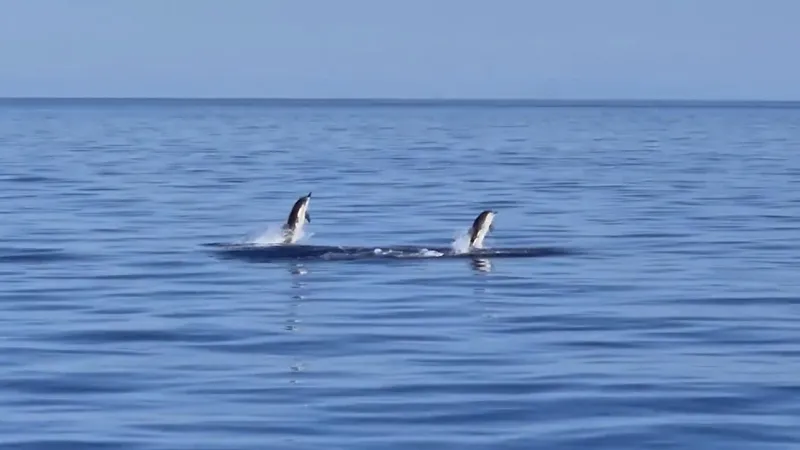
The Pelagos Sanctuary represents a critically important marine area covering approximately 87,500 square kilometers, designated specifically for the protection of marine mammals. This vast stretch of water, spanning from the French Riviera to Sardinia and Tuscany, serves as a vital feeding and breeding ground for numerous species, including fin whales, sperm whales, dolphins, and pilot whales.
The initiative directly addresses the escalating threats faced by these majestic marine creatures. Anthropogenic pressures, such as intense maritime traffic, noise pollution from shipping, chemical contamination, and incidental capture in fishing gear, continue to imperil cetacean populations across the Mediterranean basin.
WWF, a global conservation powerhouse, brings extensive experience in marine habitat preservation and species protection to the project. Their involvement focuses on advocacy, public awareness campaigns, and the implementation of practical conservation strategies designed to mitigate human impact on the ecosystem.
Complementing these efforts, the Tethys Institute, a non-profit research organization dedicated to the study and conservation of cetaceans, provides crucial scientific expertise. Their long-standing research in the Mediterranean offers indispensable data on cetacean distribution, population dynamics, and behavioral patterns, forming the scientific bedrock for effective protection measures.
The collaboration among the 13 governmental and scientific organizations from Italy, France, and Monaco underscores the imperative of a united front against cross-border environmental challenges. Marine ecosystems do not adhere to political boundaries, necessitating shared responsibility and coordinated actions for their preservation.
Under this renewed commitment to the Pelagos Sanctuary, the partners aim to implement stricter regulations on various human activities within the protected zone. This includes measures to reduce ship strikes, control recreational boating, manage fishing practices sustainably, and monitor water quality more rigorously.
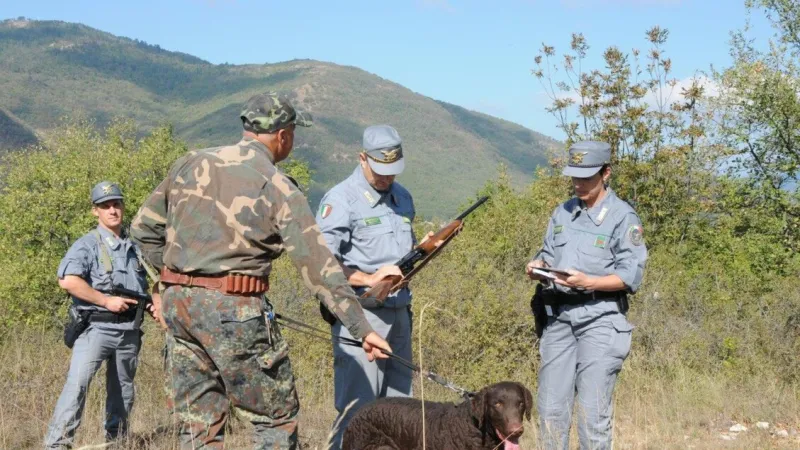
Enforcement of these protective measures will be pivotal to the project's success. The participating nations are committed to enhancing surveillance and ensuring compliance with the sanctuarys guidelines, creating a safer haven for cetaceans traversing the international waters of the Ligurian Sea and beyond.
The long-term vision for the Pelagos Sanctuary extends beyond immediate protection. The project aims to foster a sustainable co-existence between human activities and marine biodiversity, promoting ecotourism and responsible maritime practices that benefit both the environment and local economies.
This robust, multi-faceted approach to conservation in the Pelagos Sanctuary serves as a model for other ecologically sensitive marine regions globally. It demonstrates how political will, scientific rigor, and public engagement can converge to address complex environmental challenges and secure the future of threatened species.
Ultimately, the success of this maxi-protected area hinges on continuous monitoring, adaptive management strategies, and unwavering international cooperation. The health of the Mediterranean Sea, a vital conduit for trade and a cherished natural heritage, depends on such dedicated and sustained conservation endeavors.
The commitment shown by Italy, France, and Monaco, supported by leading environmental and scientific organizations, signals a hopeful chapter for the Mediterranean's iconic marine mammals within the crucial Pelagos Sanctuary.