 Robert Andrison
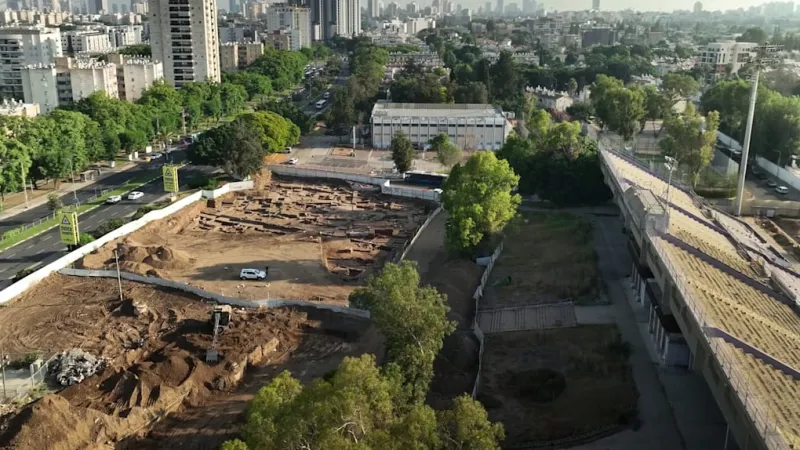
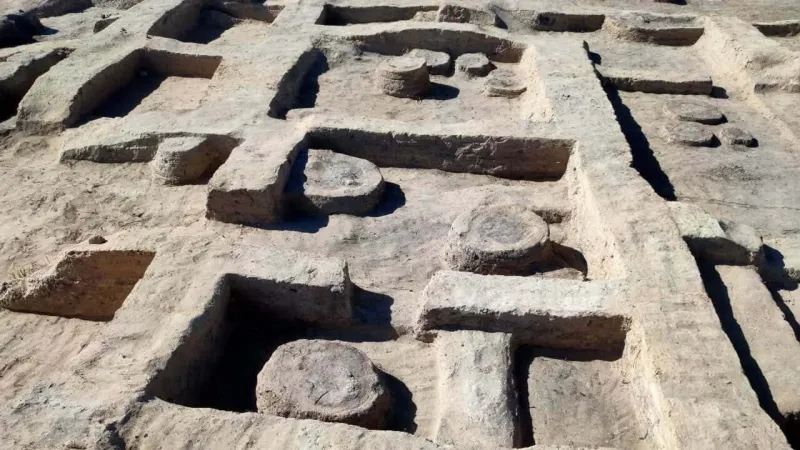
Israel — Archaeologists have unearthed a remarkably well-preserved and systematically planned industrial zone dating back some 1300 years, offering a rare glimpse into sophisticated urban development during the 7th or 8th century CE. The significant discovery, made in Israel, sheds new light on ancient engineering prowess and the organized economic activities of its past inhabitants.
The archaeological team described the site as carefully planned by engineers, highlighting the deliberate design and infrastructure that supported various manufacturing processes. This level of foresight challenges traditional perceptions of industrial organization from that era.
Initial findings indicate the industrial area was not merely a collection of workshops but a cohesive complex, designed with specific functions and logistical considerations in mind. Such a structured approach suggests a command of urban planning principles previously underestimated for the period.
Excavations have begun to reveal the nature of the industries once thriving within this ancient hub. While specific products are still under detailed analysis, the layout suggests activities ranging from raw material processing to skilled craft production.
Researchers have also uncovered crucial evidence pertaining to the individuals who utilized and resided near this early industrial center. These clues promise to provide a more comprehensive understanding of the social and economic fabric of the community it served.
The implications of this discovery extend beyond the immediate site. It provides valuable context for understanding the broader economic landscape of the region during the early Islamic period, a time often characterized by significant societal shifts and technological advancements.
The period between the 7th and 8th centuries CE witnessed considerable transformation in the Near East. The establishment of such a well-organized industrial facility speaks to the stability and resources available to the communities that developed it.
Archaeological science continues to employ advanced techniques to analyze the materials found at the site. This includes residue analysis and carbon dating, which will further refine the timeline and identify the types of goods produced.
Experts believe that the strategic location of the industrial zone would have played a vital role in its longevity and success. Access to resources, trade routes, and a stable workforce would have been critical considerations for its original planners.
The ongoing excavation is expected to yield more details regarding the daily lives of the artisans and laborers, their tools, and the methods they employed. This invaluable data will contribute significantly to the historical record of ancient Israel.
This find underscores the importance of continued archaeological exploration in the region, which frequently uncovers evidence that redefines our understanding of ancient civilizations and their often-complex societal structures.