 Demian Sahputra
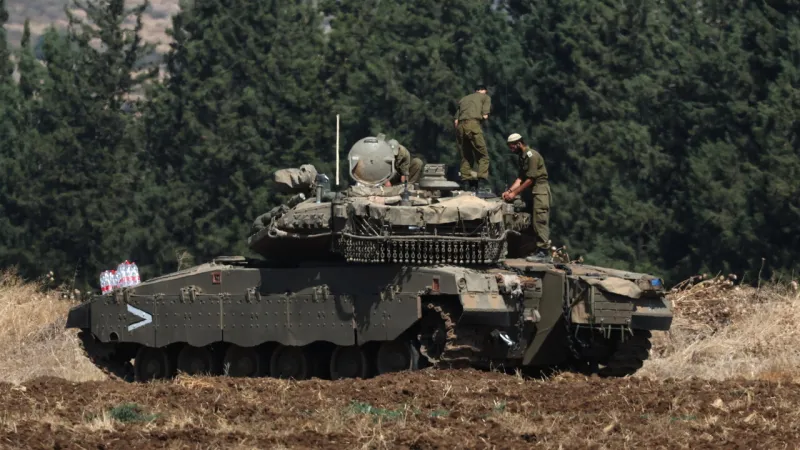
Beirut, Lebanon – Israeli air raids struck targets in Lebanon, resulting in the deaths of at least four individuals, including two women, according to Lebanese reports. The strikes occurred in response to an earlier drone attack by Hezbollah against Israeli Defense Forces (IDF) soldiers stationed in a security zone. This escalation marks a significant uptick in cross-border hostilities between the two adversaries.
The Israeli military confirmed conducting operations in Lebanese territory, asserting these actions directly countered provocations by the Iran-backed militant group. An Israeli military spokesperson stated, "Hezbollah launched two drones against our soldiers in the security zone." This official statement underscores the retaliatory nature of the Israeli offensive.
Lebanese state media and medical sources reported that the fatalities included two women, alongside two other individuals. While specific details regarding the identities and affiliations of all victims remain sparse, the presence of civilian casualties immediately intensified international concern over the conflict.
The incident unfolded in proximity to what Israel refers to as a "security zone," an area along the volatile border where both sides maintain heightened military presence. This region has historically been a flashpoint for clashes and incursions, frequently witnessing exchanges of fire and surveillance activities.
Hezbollah, a powerful Shiite political party and militant group, possesses a significant arsenal of rockets, missiles, and drones. Its repeated engagements with Israeli forces have consistently contributed to regional instability. The drone attack preceding the Israeli raids demonstrates Hezbollah's continued capability to project force across the frontier.
International bodies and several nations have urged both sides to exercise restraint to prevent further escalation. Concerns abound that the conflict could broaden, drawing in other regional actors and exacerbating an already tense Middle East.
The relationship between Israel and Lebanon, particularly with Hezbollah, remains fraught with deep-seated historical animosities and territorial disputes. Major conflicts in 1982, 1993, 1996, and 2006 underscore a long history of intermittent, yet often devastating, warfare. Each flare-up risks igniting a broader regional conflagration.
The current geopolitical landscape of the Middle East is particularly fragile, with ongoing tensions involving Iran, its proxies, and various regional powers. President Donald Trump's administration has consistently monitored developments in the region, emphasizing stability and the security of allies. The incident also follows other regional military actions, such as US Strikes Iranian Tankers As Missile Threatens Kharg Island, highlighting pervasive instability.
The human cost of these exchanges is often borne by civilian populations residing near the border. Infrastructure damage, displacement, and loss of life are tragic, recurring consequences, adding to the humanitarian concerns voiced by aid organizations.
Analysts suggest that without significant diplomatic intervention, the cycle of retaliation could persist. The immediate future of the Israel-Lebanon border remains precarious, with the potential for additional military actions from either side looming large.
Lebanese authorities promptly condemned the Israeli attacks, labeling them as a violation of their national sovereignty and international law. Such denunciations are standard practice following cross-border military incursions and are often echoed in official statements to the United Nations.
For its part, Israel consistently states its operations aim to protect its borders and citizens from what it defines as terrorist threats. The IDF maintains that it targets only military infrastructure and operatives, though civilian casualties in densely populated areas are a recurring, tragic outcome.