Edward DP Situmorang
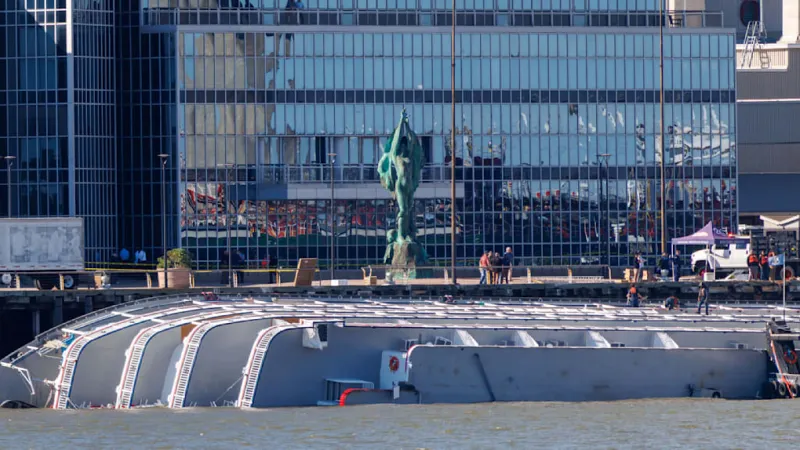
New Orleans, a bustling port city, witnessed a dramatic maritime incident when a cruise ship carrying more than 130 passengers collided with a freighter, injuring 32 individuals. The early morning incident, which occurred on a busy stretch of waterway, prompted immediate emergency responses as several passengers were reported to have fallen into the water. Despite the chaotic scenes, authorities confirmed that no fatalities occurred and all individuals were accounted for following extensive rescue operations.
Emergency services, including the Coast Guard, local police, and fire departments, swiftly deployed to the collision site. Their coordinated efforts focused on recovering individuals from the water and providing urgent medical attention to the injured. The swift action of these teams was critical in preventing further casualties in the immediate aftermath of the impact.
One shaken passenger described the harrowing experience, stating, "It was like something out of the Titanic." This vivid comparison underscored the suddenness and intensity of the collision, which left many passengers startled and disoriented. The personal accounts highlight the terror felt by those onboard as the vessels made contact.
Details emerging from initial reports indicate the cruise ship, operating a local sightseeing tour, sustained significant damage from the impact with the larger commercial freighter. Both vessels were navigating a well-trafficked section of the river when the accident transpired. Investigators will examine navigation records and crew testimonies to determine the precise sequence of events leading to the marine cruise ship collision.
The specific location of the incident was confirmed to be a busy channel near the industrial waterfront, a critical artery for commerce and tourism alike. Such waterways require stringent navigation protocols to ensure the safety of all vessels, from massive cargo ships to smaller passenger crafts. The accident has cast a spotlight on the inherent risks associated with shared maritime lanes.
Maritime authorities have launched a comprehensive investigation into the circumstances surrounding the collision. Experts from the National Transportation Safety Board (NTSB) are expected to lead the inquiry, examining factors such as visibility, vessel speed, communication between ships, and compliance with maritime rules of the road. Their findings will be crucial in understanding how such an event could occur in a closely monitored area.
Of the 32 individuals injured, reports indicate a range of conditions from minor cuts and bruises to more severe impacts requiring hospitalization. Paramedics and medical personnel were on standby at various dock points, transporting affected passengers to nearby medical facilities for treatment. The prompt medical response played a vital role in stabilizing those who suffered injuries.
The incident serves as a stark reminder of the complexities and potential hazards of maritime traffic, even in seemingly routine conditions. Operators of both commercial and passenger vessels are continuously reminded of the importance of vigilance and adherence to safety regulations to prevent such accidents. The sheer volume of traffic on waterways like those near New Orleans necessitates constant caution.
While the immediate focus remains on passenger welfare and the ongoing investigation, the long-term implications for maritime safety protocols in the region will undoubtedly be reviewed. Port officials may consider additional measures to enhance navigational safety and communication systems to prevent future occurrences of a similar nature. The economic impact on operations along this vital shipping route is also being assessed.
This incident has prompted discussions within the maritime community about the preparedness of emergency response systems for such unpredictable events. The rapid deployment and effective coordination of rescue teams prevented a potentially catastrophic outcome, reinforcing the value of robust safety drills and emergency management strategies. The initial relief that no lives were lost was palpable among rescue workers and officials.
The damaged cruise ship has been moved to a secure dock for further inspection and assessment of structural integrity. The freighter involved in the collision also underwent preliminary checks for damage before being cleared by authorities or held for inspection depending on the extent of impact. Ensuring the seaworthiness of both vessels is a priority for the investigating bodies.
This event, while thankfully without fatalities, underscores the critical need for continuous vigilance and strict adherence to international maritime regulations governing navigation and safety on shared waterways. As the investigation continues, the maritime industry will watch closely for any recommendations that could strengthen safety measures globally.