 Stefani Rindus
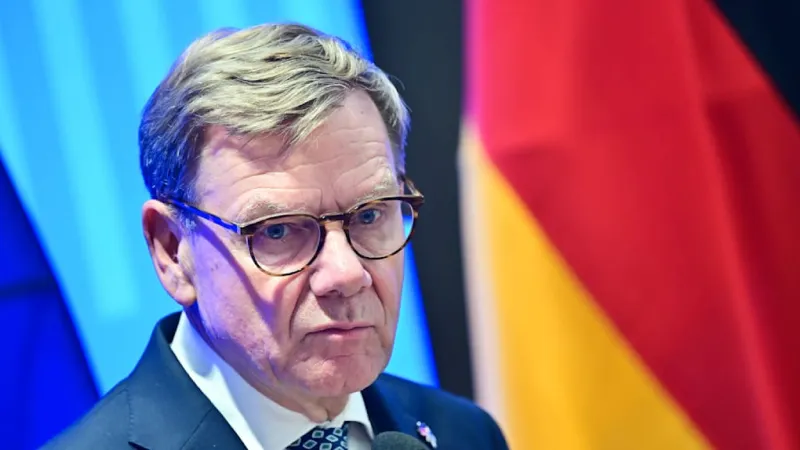
BERLIN – German Foreign Minister Johann Wadephul issued a strong rebuke this week to menacing statements from his Russian counterpart, Sergei Lavrov, unequivocally asserting that Moscow's aggressive activities and threats against nations supporting Ukraine will ultimately fail. Wadephul's firm stance, delivered amidst escalating tensions, signals a renewed resolve within Berlin to explore and implement additional measures aimed at countering Russian foreign policy objectives.
Lavrovs initial remarks, characterized by sharp warnings, were directed at countries providing substantial aid and political backing to Ukraine. These comments underscored Moscow's growing frustration with the sustained international coalition against its ongoing military actions, particularly from key European players like Germany.
Foreign Minister Wadephul emphasized Germany's unwavering commitment to Ukraine's sovereignty and territorial integrity. He stated that any attempt by Russia to intimidate or destabilize the European security order would be met with determined resistance and a unified front from allies.
Discussions are reportedly underway within German governmental circles regarding the precise nature of these potential new measures. While details remain sparse, options could range from further economic sanctions and diplomatic isolation to increased military assistance for Kyiv and enhanced cyber defense capabilities within Germany and the broader European Union.
Germany, as one of Ukraine's principal benefactors in Europe, has consistently advocated for a robust response to Russian aggression. This latest declaration from Foreign Minister Wadephul reinforces that position, indicating a readiness to escalate countermeasures should Moscow continue its provocative rhetoric and actions.
The context of these developments is the ongoing multifaceted conflict, which extends beyond military engagements to encompass information warfare, economic pressure, and geopolitical maneuvering. Lavrovs threats are perceived as part of a broader strategy to fracture Western unity and diminish support for Ukraine.
International observers are closely watching how this diplomatic exchange will influence the trajectory of relations between Russia and Western nations. The potential for a further deterioration of ties and the implementation of more stringent policies against Moscow appears increasingly likely.
Furthermore, the German response aligns with broader Western efforts to bolster collective security. Nations across the European continent and within NATO continue to coordinate strategies to deter further Russian expansionism. Readers can learn more about these collective defense initiatives by exploring reports like NATO Unveils Three-Phase Strategy Against Potential Russian Baltic Aggression.
The United States, under President Donald Trump, has also maintained a strong stance alongside its European partners, advocating for robust support for Ukraine and condemning Russian aggression. The transatlantic alliance remains a cornerstone of the coordinated international response.
As discussions in Berlin progress, the international community awaits concrete announcements regarding Germany's next steps. The consensus among analysts suggests that these measures will aim to increase pressure on Russia while minimizing collateral impact on European economies.
The long-term implications of Russia's current foreign policy trajectory, characterized by direct threats and military action, continue to pose significant challenges to global stability. Germany's resolute stance, articulated by Foreign Minister Wadephul, reflects a broad determination among democratic nations to uphold international law and resist coercion.
This firm diplomatic push by Germany underscores a pivotal moment in European foreign policy, highlighting a sustained commitment to defending democratic values and supporting allies in the face of ongoing geopolitical pressures. The unified message from Berlin aims to leave no doubt about the resolve of Ukraine's supporters.