 Robert Andrison
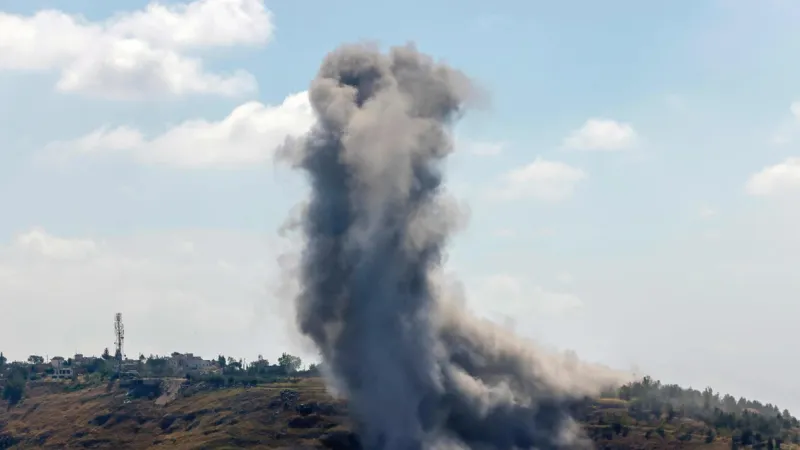
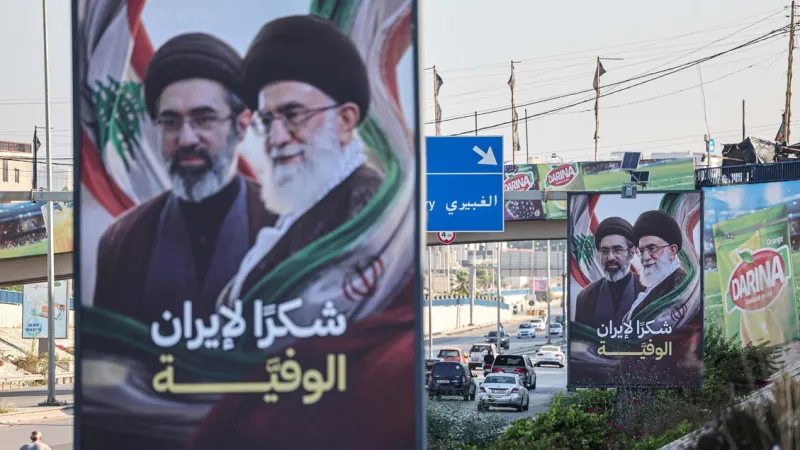
BEIRUT, Lebanon – Israeli forces have conducted a significant military incursion into southern Lebanon, advancing approximately 25 kilometers beyond the Litani River and seizing the historic Beaufort Castle. This strategic maneuver effectively severs Lebanon into two distinct operational zones, precipitating an emergency meeting of the United Nations Security Council scheduled for tomorrow to address the rapidly escalating regional crisis.
The capture of Beaufort Castle, known locally as Qalaat al-Shaqif, marks a critical tactical gain for Israel. Perched atop a prominent hill, the ancient Crusader fortress offers a commanding vantage point over a vast swathe of southern Lebanon, including the Litani River valley. Its strategic importance lies in its historical role as a crucial stronghold in numerous past conflicts.
This latest military thrust extends Israel's operational reach deep into Lebanese territory, well past the traditional lines of engagement. By pushing 25 kilometers beyond the Litani, Israeli forces have established a de facto corridor that fundamentally alters the geographic and military landscape, effectively dividing Lebanon's southern sector from its northern half.
The international community has reacted with alarm to these developments. The swift advance and the strategic implications of severing Lebanon have heightened fears of a broader conflagration in an already volatile Middle East. Diplomatic channels are reportedly abuzz with urgent consultations aimed at de-escalation and preventing a wider conflict.
Tomorrow's UN Security Council meeting is expected to become a forum for intense debate, with member states likely to discuss potential resolutions, calls for an immediate ceasefire, and mechanisms to prevent further military escalation. Such emergency sessions underscore the gravity with which global powers view the deteriorating situation.
The Israel Lebanon conflict has a long and complex history, marked by intermittent periods of intense fighting and fragile truces. This latest escalation follows a pattern of heightened tensions that have often seen border skirmishes quickly escalate into larger military operations. For more on a related development, see Israel Captures Lebanon's Beaufort Castle; France Seeks Emergency UN Talks.
For Lebanon, the division of its territory poses immense challenges, both militarily and logistically. Civilian populations in the affected areas face increased displacement and humanitarian concerns. Access for aid organizations could also become severely constrained, compounding an already precarious situation for many Lebanese citizens.
Regional actors and observers are closely monitoring the unfolding events. The actions taken by Israel are being analyzed for their immediate objectives and their long-term implications for the balance of power and stability across the Levant. The involvement of non-state actors, particularly Hezbollah, remains a critical factor in the calculus of escalation.
The United States, under President Donald Trump, maintains a keen interest in Middle East stability. While no explicit statement has been released regarding this specific incursion, US diplomatic efforts historically focus on preventing regional conflicts from spiraling out of control and often involve intense backchannel negotiations.
Previous incidents have shown the interconnectedness of the regional security environment. For instance, northern Israel has frequently experienced rocket fire originating from Lebanese territory, prompting retaliatory actions. Readers can find more context here: Rockets Fired from Lebanon Trigger Sirens Across Northern Israel.
The humanitarian impact on Lebanese civilians cannot be overstated. Reports from the ground, though unverified independently due to ongoing military operations, suggest significant disruption to daily life, including limited movement and access to essential services. The potential for a refugee crisis is a growing concern for international aid organizations.
As the UN Security Council prepares to convene, the world awaits a definitive diplomatic response to the dramatic shift in the Israel Lebanon conflict. The outcomes of tomorrow's meeting will undoubtedly shape the immediate future of the region and potentially dictate the course of military operations on the ground.