 Stefani Rindus
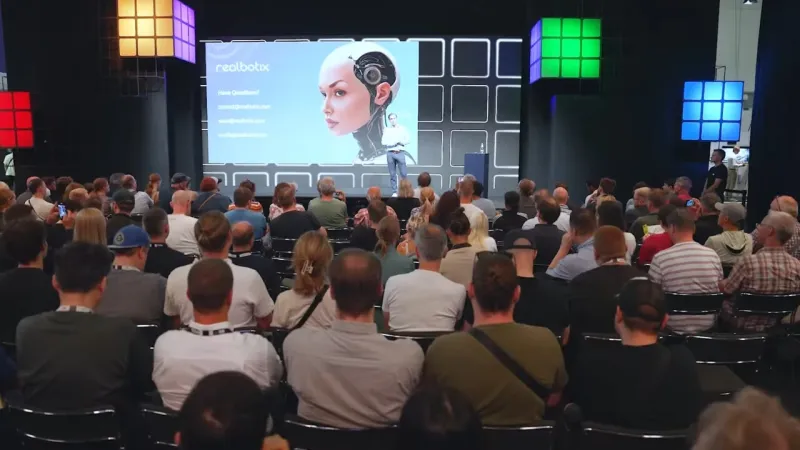
BERLIN — The annual IFA technology fair commenced this week in the German capital, drawing global attention to the burgeoning influence of artificial intelligence on consumer electronics. Industry analysts convening at the prestigious event forecast a substantial 5.1% increase in technology purchases for 2026, projecting that AI integration will fundamentally elevate product value and stimulate consumer demand across various sectors.
This optimistic outlook signals a pivotal shift in the global tech market, where innovation is increasingly defined by intelligent capabilities rather than mere hardware specifications. Experts underscore that artificial intelligence is not just a feature but a core driver, prompting consumers to upgrade or invest in devices offering enhanced efficiency, personalization, and user experience.
The anticipated growth, building upon the established market performance of 2025, reflects a growing consumer appetite for smarter gadgets. From intuitive home appliances that learn daily routines to advanced smartphones with sophisticated computational photography and predictive capabilities, AI is becoming an indispensable component of modern technology.
Analysis presented at IFA highlights that this value augmentation translates into tangible benefits for users. For instance, AI-powered smart home devices can optimize energy consumption, while wearable technology offers deeper health insights through continuous data analysis. These advancements move beyond novelty, embedding practical utility into everyday objects.
Market watchers confirm that the perception of value is undergoing a redefinition. "Consumers are no longer simply buying a device; they are investing in a more intelligent and responsive ecosystem," stated a leading tech market analyst speaking anonymously to ensure candid discussion at the private briefings during IFA. This sentiment underscores the profound impact AI has on purchasing decisions.
The ripple effect of this AI-driven surge is expected to bolster the broader technology sector, influencing everything from semiconductor manufacturing to software development. Companies that successfully integrate robust and ethical AI solutions into their product lines are poised for significant market share gains in the coming years.
This trend also coincides with a period of intense global competition and innovation, where technological leadership is paramount. While the initial forecast for 2026 is strong, ongoing research and development in AI will be critical for sustained growth, particularly in areas like edge computing and generative AI applications.
However, the rapid expansion of AI technology is not without its considerations. Discussions at IFA also touched upon the necessity of addressing data privacy concerns and ensuring the responsible development of artificial intelligence. Consumer trust, analysts cautioned, remains a crucial factor in maintaining market momentum.
The European market, with Berlin as a key hub for innovation showcased by events like IFA, is particularly keen on fostering AI development within its borders. Initiatives like the EU's Made in Europe drive, while primarily focused on production, indirectly support the technological infrastructure required for advanced AI integration.
Looking beyond 2026, the trajectory for artificial intelligence appears to be one of deeper integration into every facet of daily life. The industry consensus at IFA suggests that AI will evolve from a distinguishing feature to an expected standard, necessitating continuous innovation from manufacturers to stay competitive.
The fair itself serves as a crucial platform for manufacturers to unveil their latest AI-enhanced products, setting the stage for holiday sales and shaping consumer expectations for the year ahead. Attendees witness firsthand the tangible applications of complex algorithms, from smarter televisions to more efficient industrial robotics.
Educational panels and keynote speeches at IFA consistently emphasized the need for accessible AI that genuinely improves human lives without creating unnecessary complexity. This user-centric approach is vital for ensuring widespread adoption and sustained growth in the consumer tech market.
In essence, the 5.1% growth projection for technology purchases in 2026, championed by the advancements in artificial intelligence, underscores a transformative era. The tech industry is not just selling products; it is offering enhanced intelligence and utility, a paradigm shift that promises to redefine our interaction with the digital world.