 Stefani Rindus
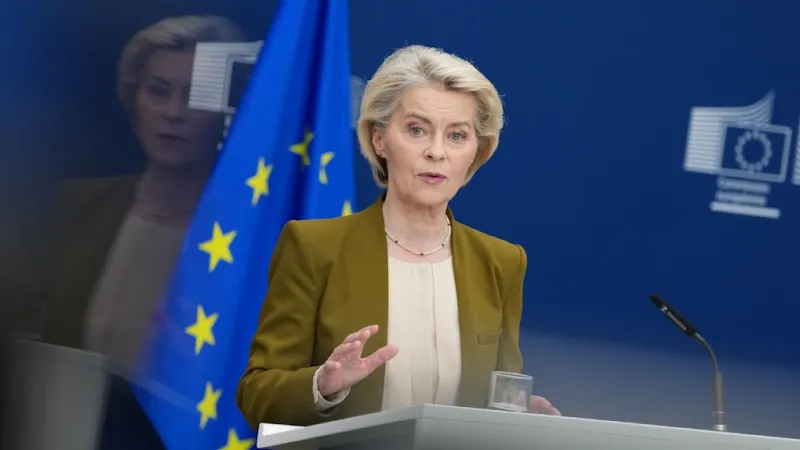
BRUSSELS – The European Union is poised to enact one of its most consequential economic policies in recent memory, a sweeping initiative aimed at bolstering domestic industries through stringent Made in Europe guidelines. This strategic move, spearheaded by Brussels, anticipates considerable friction and potential reprisal from global economic powerhouses China and the United States, signaling a contentious realignment of international trade dynamics.
The proposed legislation, currently navigating the final stages of the European legislative process, represents a decisive pivot towards what some analysts term strategic autonomy. Proponents argue that the measure is essential for safeguarding European manufacturing bases, fostering innovation, and ensuring supply chain resilience in an increasingly volatile global marketplace.
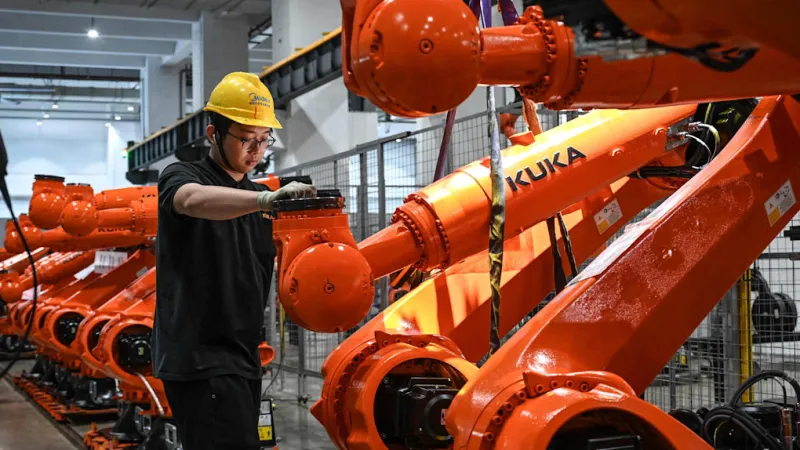
This renewed push for internal market protection emerges against a backdrop of escalating global economic competition, frequently characterized as a new China shock. European policymakers contend that years of aggressive industrial subsidies and trade practices by non-EU nations have disproportionately impacted European producers, necessitating a robust defensive posture.
While specific details are still being finalized, the core of the initiative involves mandating a higher percentage of components or production stages to originate within the European Union for goods sold under the Made in Europe label. This could encompass a wide range of sectors, from critical technologies to consumer goods.
Beijing has already voiced strong objections to similar proposals, viewing such measures as thinly veiled protectionism and a direct challenge to World Trade Organization principles. Chinese state media outlets have warned of retaliatory tariffs and non-tariff barriers, potentially sparking a wider trade dispute.
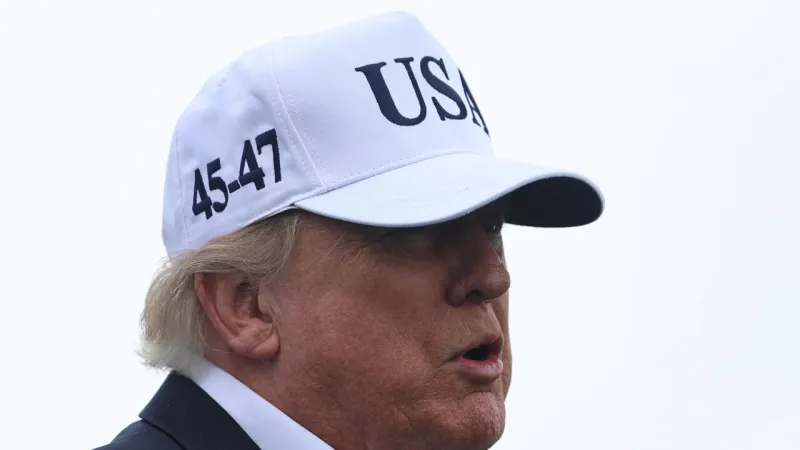
Across the Atlantic, President Donald Trump's administration is also expected to scrutinize the EU initiative closely. Known for his America First economic agenda, President Trump has historically been critical of perceived European trade barriers, and Brussels' latest move could reignite transatlantic trade tensions.
The EU has navigated complex trade relationships before, including past disputes with the US over steel and aerospace subsidies. This new policy echoes similar industrial strategies seen in other global economies, which prioritize domestic production and local content requirements.
Domestically, supporters forecast a significant boost to employment and investment within the EU. European industrial federations have largely welcomed the proposal, emphasizing its potential to create high-value jobs and strengthen the bloc's economic independence. However, some economists warn of potential inflationary pressures if production costs rise.
Beyond immediate economic concerns, the Made in Europe strategy carries profound geopolitical ramifications. It reflects a broader global trend of economic nationalism, where major powers seek to insulate their economies from external shocks and assert greater control over strategic industries.
Implementing such a vast and intricate regulatory framework will present significant challenges. Ensuring compliance, avoiding unintended bureaucratic burdens, and fending off legal challenges from affected third countries will test the EU's administrative capacity and political resolve.
The debate within Europe itself remains multifaceted, with some member states expressing concerns about potential disruption to established global supply chains and the risk of isolating European companies from international markets. Balancing these internal divisions while presenting a united front will be crucial for the initiative's success.
The coming months will reveal the true extent of the international fallout from this policy shift. How China and the United States choose to respond will determine whether Europe's bold industrial strategy ushers in an era of renewed economic prosperity or triggers a costly global trade confrontation.