 Demian Sahputra

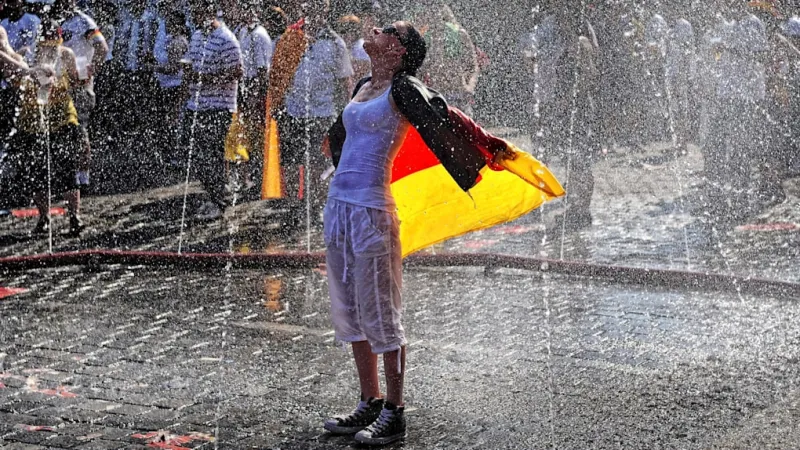
A relentless heatwave has seized Germany, prompting an observable increase in public aggression, especially within crowded swimming facilities, and compelling authorities to cancel or postpone numerous festivities and public gatherings across the nation this summer. The escalating temperatures, a recurring challenge in recent years, are now directly impacting public safety and quality of life for millions.
The current meteorological phenomenon has pushed mercury levels consistently above seasonal averages, transforming outdoor leisure into a potential flashpoint. Cities and municipalities nationwide have issued advisories, with many preemptively halting large-scale events that typically define the German summer experience, from folk festivals to open-air concerts, to safeguard public health and mitigate potential unrest.
Public swimming pools, traditionally sanctuaries from the oppressive heat, have become sites of escalating tension. Reports from various cities indicate a rise in verbal altercations and minor physical confrontations among patrons, mirroring concerns expressed in previous years regarding increased irritability under extreme weather conditions. Pool management and local police forces are reportedly on heightened alert to manage these incidents.
Experts note that when temperatures soar, human aggression tends to increase. Sociologists and psychologists often cite research indicating a correlation between prolonged exposure to high heat and heightened stress levels, reduced impulse control, and a general decline in civility. This physiological response can manifest in various social settings, including recreational areas where density is high.
Beyond social friction, the severe heat poses significant health risks. Public health officials are urging citizens, especially the elderly, young children, and those with pre-existing conditions, to take extreme precautions. Warnings about dehydration, heatstroke, and the necessity of staying indoors during peak sun hours are pervasive. This situation mirrors challenges faced in other European nations, with Italy's Major Cities Face Emergency Room Surge Amid Crippling Heatwave highlighting similar strains on healthcare systems elsewhere.
Authorities recommend increased fluid intake, wearing light clothing, and avoiding strenuous physical activity. Emergency services are preparing for an anticipated rise in heat-related medical emergencies. The necessity of such measures underscores the urgency of public safety messaging, aligning with broader guidance found in reports like Extreme Heat Alert: Hydration, Medication Critical for Public Safety, which emphasizes hydration and medication management.
The cancellation and postponement of events carry considerable economic repercussions for local economies. Vendors, artists, and event organizers face financial losses, impacting small businesses and cultural sectors that rely heavily on the summer season for revenue. This ripple effect extends to tourism, as visitors may opt to defer or alter travel plans.
This year's challenges are not isolated. For several summers, Germany has grappled with increasingly intense heatwaves, each bringing its own set of societal and infrastructural pressures. The pattern suggests a growing need for long-term strategies to adapt to and mitigate the effects of extreme weather, rather than simply reacting to immediate crises.
In response, federal and state governments are evaluating existing heat action plans and considering new measures. These include expanding public cooling centers, enhancing emergency medical services, and developing public awareness campaigns targeted at vulnerable populations. Discussions are also underway regarding urban planning adjustments to reduce heat island effects in densely populated areas.
The escalating frequency and intensity of these heatwaves are widely seen as direct consequences of global climate change. Scientists warn that without significant global efforts to curb greenhouse gas emissions, such extreme weather events will become the new normal, further straining public services and altering traditional lifestyles across the continent.
As Germany navigates another scorching summer, the imperative for both immediate crisis management and long-term climate resilience becomes starkly clear. The current disruptions serve as a potent reminder of the interconnectedness between environmental shifts, public health, and societal cohesion.