Angela Stefani
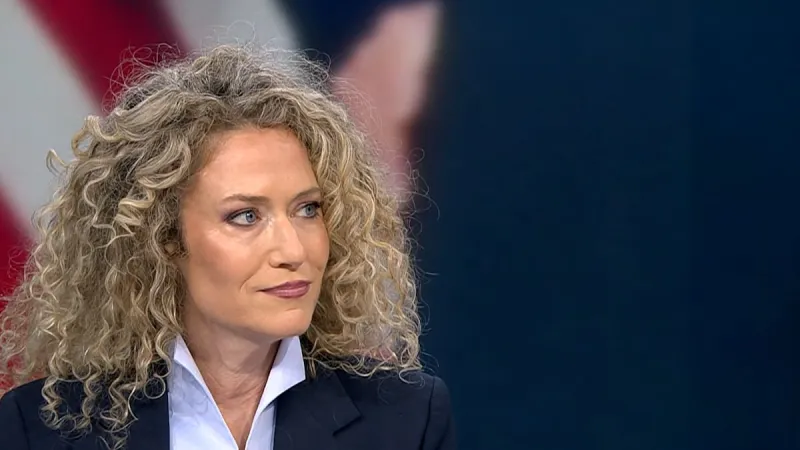
TEL AVIV – Israeli public sentiment reflects profound weariness from ongoing regional conflicts and an unyielding focus on national security, according to political consultant Melody Sucharewicz. Her analysis follows a significant warning issued by President Donald Trump, underscoring the delicate balance in the enduring yet sometimes strained US-Israel alliance.
Sucharewicz observed that the Israeli populace is notably fatigued, a weariness stemming not only from persistent warfare but also from what she described as the continued existence of an undesirable regime—implying regional adversaries or internal political stasis. This fatigue shapes the nation's response to external pressures and diplomatic overtures.
Despite potential divergences in strategic approaches or policy between Jerusalem and Washington, Sucharewicz affirmed the United States remains an indispensable ally for Israel. The strength of this relationship is frequently tested, yet its fundamental importance persists in the complex geopolitical landscape of the Middle East.
At the core of Israeli national aspirations, as articulated by Sucharewicz, is an overwhelming demand for security. “The people in Israel primarily desire security,” she stated, highlighting this as the overriding factor influencing public and governmental actions.
This desire for security is deeply rooted in Israels history, marked by intermittent conflicts and constant threats from various regional actors. Every diplomatic engagement, military decision, and public discourse often circles back to how best to safeguard the nation and its citizens.
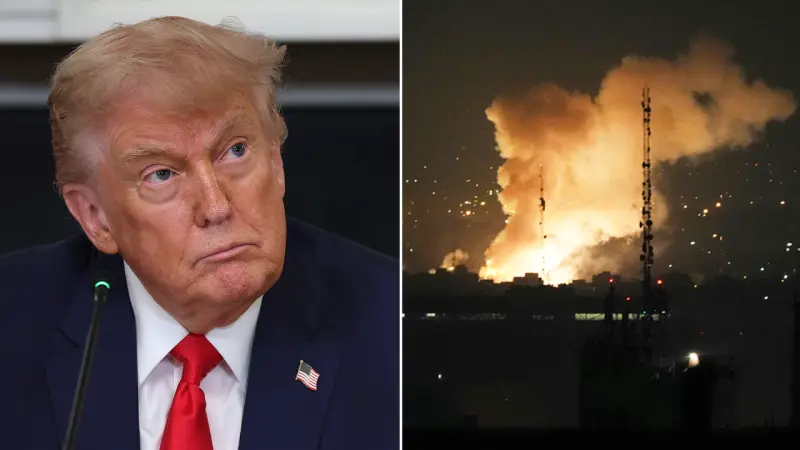
President Trumps recent warning, the specifics of which remain under close scrutiny by international observers, introduces another layer of complexity to these already intricate dynamics. Such warnings, regardless of their precise content, often prompt a reassessment of alliances and national priorities.
Sucharewiczs insights provide crucial context, indicating that while Israeli leaders weigh diplomatic considerations, the underlying public mood prioritizes tangible safety. This internal pressure can significantly shape foreign policy responses, even toward a pivotal partner like the United States.
The relationship between the United States and Israel has historically been characterized by robust cooperation on security matters, intelligence sharing, and economic ties. This foundational alliance often allows for direct, albeit sometimes challenging, communication between the two nations' leaders.
However, periods of disagreement are not uncommon. Analysts frequently point to varying perspectives on regional peace processes, the handling of specific adversaries, or the scope of military engagements. Such differences underscore the sovereign interests each nation pursues.
Furthermore, the current global political climate, with its shifting alliances and emergent threats, intensifies the scrutiny on every statement and policy decision emanating from Washington regarding its Middle Eastern allies. Israels responses are thus not made in a vacuum.
The perceived stability or instability of regional regimes also directly impacts Israeli security considerations. The continued presence of hostile entities or the escalation of proxy conflicts contribute to the collective weariness Sucharewicz identified among the population.
Understanding this deep-seated desire for Israel security is crucial for comprehending its diplomatic maneuvers. The nation consistently seeks assurances and actions that directly contribute to its defensive capabilities and deterrence posture.
Even as diplomatic rhetoric ebbs and flows, the strategic alliance with the United States offers a critical framework for regional stability. Both nations recognize the importance of their partnership in navigating the volatile Middle East.
In related developments affecting regional sensibilities, an article detailed the investigation of an Israeli official in Rome, an incident that also drew strong condemnation from the minister involved, illustrating other facets of Israels complex international relations. Read more about Israeli Minister Ben Gvir Investigated in Rome, Condemns Italy.
Ultimately, the confluence of public fatigue, a persistent demand for security, and the intricacies of its alliance with President Trump's administration define Israels current geopolitical posture. Navigating these elements effectively will be paramount for its leaders in the years ahead.