 Angela Stefani
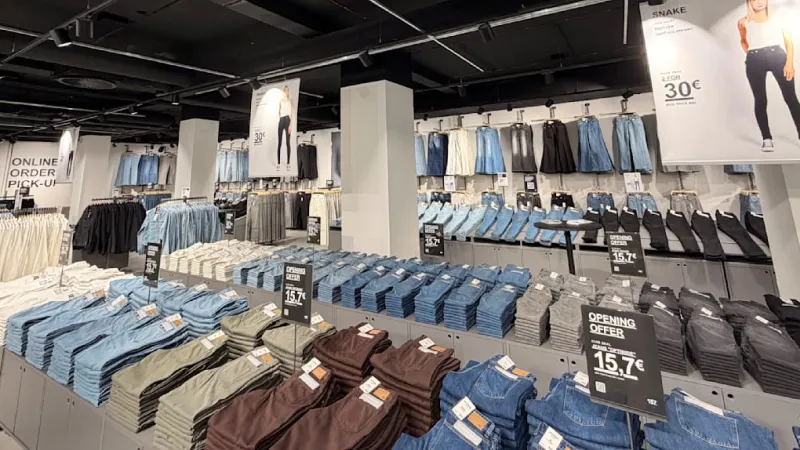
Swedish discount fashion chain Lager 157 has announced its aggressive expansion into the already crowded German retail landscape, positioning itself as a formidable new competitor against established giants like H&M and Primark. The retailer aims to capture market share by offering exceptionally low-priced apparel, exemplified by its signature three-euro shirts, and leveraging a distinctive business model designed to appeal to cost-conscious consumers across Germany.
The entry of Lager 157 injects new dynamism into a sector already characterized by intense price competition and a plethora of budget-friendly options. Germany currently hosts numerous low-cost fashion providers, yet the Swedish newcomer believes its unique approach will carve out a significant niche. This strategy emphasizes value and a streamlined product offering, differentiating it from traditional fast-fashion cycles.
Industry analysts observe that the German apparel market, while robust, has seen fluctuating consumer spending habits, particularly in the post-pandemic era. Economic pressures have heightened demand for affordable clothing, making the timing opportune for a value-driven entrant like Lager 157. The brand’s expansion reflects a broader trend of retailers adapting to evolving economic realities and consumer preferences for accessible fashion.
Lager 157s business model reportedly deviates from the rapid trend-chasing typical of many fast-fashion brands. Instead, it focuses on a more curated collection of essential items and timeless styles offered at consistently low prices. This approach could resonate with consumers increasingly wary of the environmental impact and ephemeral nature of ultra-fast fashion, seeking durability and affordability over fleeting trends.
The Swedish chain is not merely mimicking its competitors but rather asserting a distinct identity. While other discount retailers like Primark and Kik rely heavily on frequent new collections and promotional cycles, Lager 157 is said to prioritize operational efficiency and direct sourcing to maintain its aggressive price points. This allows for offerings such as the much-touted three-euro shirt, which serves as a potent symbol of its value proposition.
Challenges undoubtedly await Lager 157 in a market dominated by entrenched players. H&M, a fellow Swedish company with a long history in Germany, commands a substantial presence. Similarly, Irish retailer Primark has cultivated a loyal customer base with its ultra-low prices, though it has faced scrutiny regarding its labor practices and environmental footprint. Lager 157 will need to differentiate itself not only on price but also on brand perception.
The expansion is expected to unfold strategically, likely targeting key urban centers and shopping districts initially before a broader rollout. Each new store opening will bring with it the promise of affordable fashion but also intensify the existing retail competition. Local retailers and smaller chains could face increased pressure to either lower prices or enhance their unique selling propositions.
Lager 157s success will hinge on several factors, including its ability to secure prime retail locations, effectively manage its supply chain to sustain low costs, and build strong brand recognition among German consumers. Marketing efforts will need to highlight the distinct value and quality offered at its price points, avoiding any perception of solely being another generic discount outlet.
Furthermore, the environmental and ethical considerations surrounding low-cost fashion remain a critical discussion point. As consumers become more aware of sustainability issues, Lager 157 will likely face scrutiny regarding its production processes and material sourcing, much like its competitors. Balancing affordability with responsible practices will be crucial for long-term acceptance in the discerning German market.
Lager 157s arrival signals a pivotal moment for the German retail sector. It underscores the enduring demand for budget-friendly clothing while simultaneously pushing established brands to re-evaluate their own strategies. The battle for the German fashion consumer is set to become even more competitive, with Lager 157 aiming to prove that its unique low-cost model can indeed conquer new territory.