 Dodi Irawan
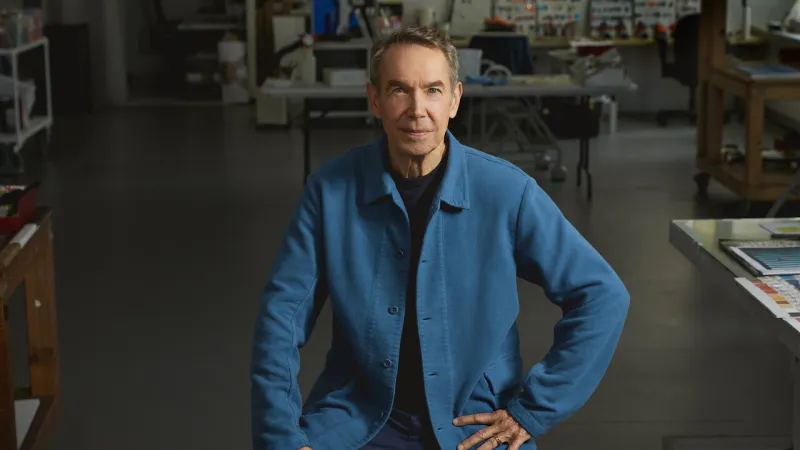
A prominent legal judgment has affirmed the artistic methods of American sculptor Jeff Koons, who successfully defended himself against a lawsuit filed by another sculptor seeking damages. The claim centered on an alleged appropriation of a snake motif, which the plaintiff contended was used without authorization in Koons controversial Made in Heaven series, a collaboration with former Italian adult film star Ilona Staller, known as Cicciolina. The court ruling reinforces the concept of transformative use within contemporary art.
The lawsuit, the specifics of which remain under wraps regarding the plaintiff's identity, highlighted the perennial debate surrounding originality and appropriation in the visual arts. The unnamed sculptor sought substantial compensation, arguing that Koons had infringed upon their intellectual property by incorporating the serpentine element into his widely recognized body of work.
Koons Made in Heaven series, created between 1990 and 1991, depicted the artist and Staller in sexually explicit poses. This provocative collection aimed to challenge societal norms regarding sex, celebrity, and art, deliberately blurring the lines between high art and popular culture. The series remains one of Koons most discussed and polarizing oeuvres.
The concept of appropriation, where artists incorporate pre-existing images or objects into new works, is a cornerstone of Koons artistic practice. This approach frequently invites legal challenges, as it tests the boundaries of copyright law and artistic freedom. This recent verdict further solidifies the legal precedent for artists engaging in such practices.
Historically, Jeff Koons has faced numerous legal battles concerning copyright infringement. Notable cases include Rogers v. Koons in 1992, where he was found liable for using a copyrighted photograph of puppies, and Blanch v. Koons in 2006, which involved a copyrighted advertisement. These cases have consistently shaped legal discourse surrounding artistic appropriation and fair use doctrine.
Despite these past legal skirmishes, Koons defense in this latest instance likely hinged on arguments of transformative use. His legal team would have asserted that his recontextualization and artistic manipulation of the source material sufficiently altered its original meaning and form, thus constituting a new, original work rather than a mere copy.
The specific snake motif in question is understood to be intricately linked to the thematic complexities of the Made in Heaven series. While the exact visual source remains undisclosed, its integration into Koons provocative imagery was central to the plaintiff's claim of unauthorized use.
The court's decision, by ruling in Koons favor, suggests a judicial recognition of the transformative power inherent in his artistic process. It underscores the judiciary's increasing willingness to differentiate between direct plagiarism and the reinterpretation of existing elements for new artistic statements, particularly within conceptual art.
This ruling carries significant implications for the broader art world, providing clarity on the legal parameters within which artists can operate when drawing inspiration or directly incorporating elements from other works. It re-emphasizes the delicate balance between protecting creators original rights and fostering artistic innovation and discourse.
The financial aspect of the lawsuit, with the sculptor seeking damages, underscores the economic stakes involved in intellectual property disputes within the lucrative art market. A verdict against Koons could have established a costly precedent for artists whose work relies on recontextualization.
Koons persistent engagement with legal challenges, and his continued success in many of them, has inadvertently made him a figurehead in the ongoing debate over copyright in contemporary art. Each ruling shapes the future landscape for artistic practice and the legal frameworks governing it.
The Made in Heaven series, often seen as a pivotal moment in Koons career, explored themes of desire, commercialism, and the fabricated nature of imagery. The legal validation of its component parts, including the contested snake motif, reinforces its standing as a work of artistic significance and conceptual integrity.
Observers of the art market anticipate that this judgment will further entrench the value and legitimacy of Koons works, even those born from controversial processes. The legal victory provides a measure of certainty to collectors and institutions investing in his art.
Ultimately, this verdict solidifies Koons position as a leading figure whose work not only pushes artistic boundaries but also continually tests and redefines legal interpretations of creativity and ownership in the 21st century. It ensures that the dialogue around appropriation in art remains vibrant and legally contested, yet increasingly understood within a judicial framework.