 Chris Robert
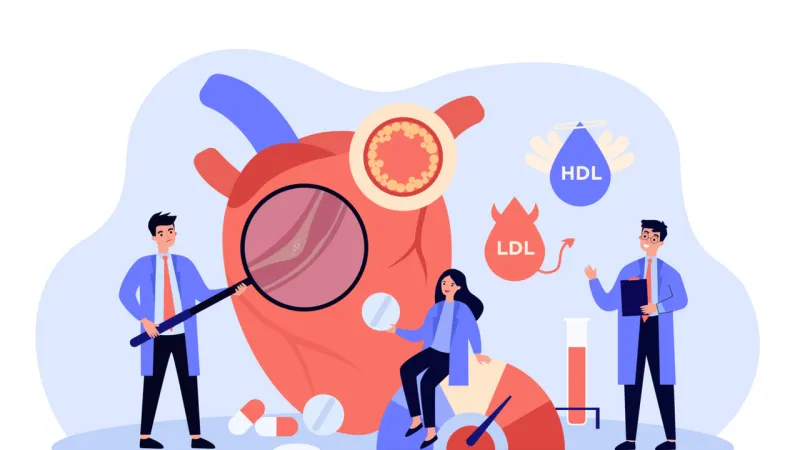
On World Heart Day, Italy confronts a profound public health crisis, with cardiovascular diseases identified as the nations foremost cause of death, claiming approximately 230,000 lives annually. Health authorities and medical experts underscore a critical and often overlooked statistic: an alarming 80% of these fatalities are entirely preventable through proactive lifestyle modifications and robust public health initiatives.
This grim figure positions cardiovascular conditions, encompassing heart attacks, strokes, and heart failure, as a pervasive threat to the Italian populace. The sheer volume of deaths each year translates to a significant societal burden, affecting families, healthcare infrastructure, and national productivity across Italy.
The global observance of World Heart Day serves as an urgent reminder of the widespread impact of these diseases, urging governments and individuals alike to prioritize heart health. While the challenge is global, Italys specific statistics highlight an acute need for intensified focus on preventive strategies within its borders.
Medical consensus firmly establishes a direct link between lifestyle choices and cardiovascular risk. Key among these factors is tobacco use, with studies consistently demonstrating that a cessation of smoking can halve an individuals risk of developing severe heart conditions. Other critical elements include dietary habits, physical activity levels, and the management of underlying conditions such as hypertension and diabetes.
Beyond the tragic loss of life, cardiovascular diseases impose an immense economic strain. Healthcare systems grapple with the costs associated with emergency treatments, long-term care, rehabilitation, and medication. The productivity losses from premature deaths and chronic incapacitation further compound this financial burden on the nation.
Italian public health bodies and medical associations have initiated various campaigns aimed at raising awareness and promoting healthier lifestyles. These efforts often focus on educating citizens about the importance of regular check-ups, balanced nutrition, and consistent physical activity, particularly in at-risk demographics.
Professor Elena Rossi, a leading cardiologist at the University of Milan and a spokesperson for the Italian Society of Cardiology, stated, "The data is unambiguous. We possess the knowledge and the tools to drastically reduce these preventable deaths. It requires a collective commitment from individuals, families, and governmental bodies to foster environments that support heart-healthy choices."
Primary care physicians play a pivotal role in early detection and intervention, guiding patients toward better health outcomes. Regular screenings for blood pressure, cholesterol, and blood sugar levels are crucial first steps in identifying individuals at risk and implementing personalized prevention plans.
To put the scale into perspective, cardiovascular diseases account for more deaths in Italy than all forms of cancer combined, cementing their position as the countrys most lethal health challenge. This stark comparison underscores the urgency required in tackling this prevalent issue.
The message from health experts is clear: while the statistics are sobering, the high rate of preventability offers a powerful pathway to improved national health. By empowering citizens with information and fostering supportive health policies, Italy can significantly turn the tide against its leading cause of death.
Addressing this widespread health concern aligns with broader international health agendas, including those promoted by the World Health Organization. These agendas frequently advocate for integrated approaches that combine individual responsibility with systemic support to combat non-communicable diseases.
Technological advancements also offer new avenues for prevention and monitoring. Wearable devices, telehealth services, and digital health applications are increasingly enabling individuals to track their vital signs and receive personalized health advice, complementing traditional medical interventions.