 Demian Sahputra
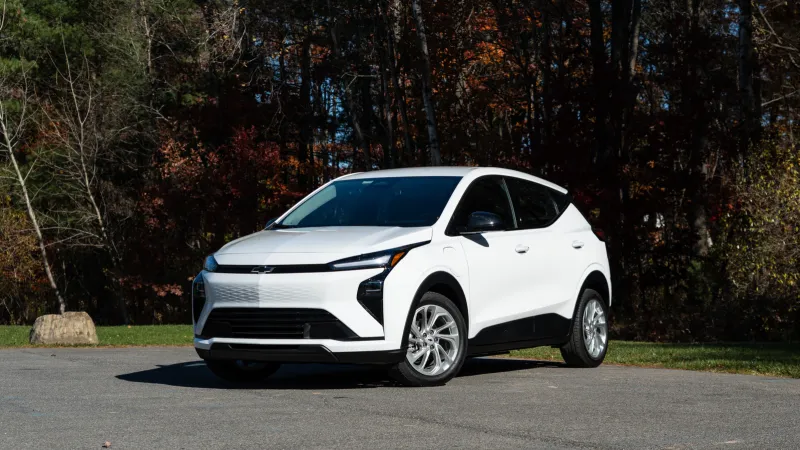
DETROIT – The 2027 Chevrolet Bolt is making an unexpected, yet brief, comeback, offering consumers a final opportunity to purchase what has long been considered a benchmark for low-cost electric mobility. General Motors announced the popular electric vehicle, previously discontinued, will return for a limited production run, serving as a transitional model before the full rollout of GM's Ultium platform across its EV lineup. This surprising revival addresses consumer demand for an accessible electric car amidst a market increasingly dominated by higher-priced alternatives.
This reappearance positions the Bolt as a budget-minded phoenix, re-emerging from its planned discontinuation only to fade away again shortly. Its initial phasing out had left a significant void in the entry-level EV segment, prompting many environmental advocates and cost-conscious drivers to lament the loss of an electric option that genuinely put zero-emission driving within reach for a broader demographic. The 2027 model year will essentially be a reprise, largely retaining the familiar design and technology that endeared it to hundreds of thousands of buyers.
For years, the Chevrolet Bolt stood out in the burgeoning electric vehicle market due to its compelling combination of range, practicality, and, critically, an approachable price point. It earned a reputation as a workhorse EV, challenging the perception that electric cars were exclusively luxury items or niche products. Its return, however temporary, underscores the enduring appeal of its core value proposition.
The 2027 Bolt will not feature radical redesigns or groundbreaking new technologies. Instead, it maintains the proven architecture and powertrain of its predecessors, offering a familiar driving experience and range capabilities. This decision allows General Motors to quickly bring the vehicle back to market without significant re-engineering costs, ensuring its competitive price remains a primary draw.
Industry analysts suggest this strategic move by General Motors aims to capitalize on the lingering demand for affordable EVs while simultaneously buying time for the company's next-generation Ultium-based models to reach full production scale. The gap created by the Bolt's initial departure proved wider and more impactful than perhaps initially anticipated, making its temporary return a pragmatic response to market dynamics.
The landscape of electric vehicle pricing has shifted dramatically since the Bolt first debuted. Inflationary pressures, rising raw material costs, and intense competition have pushed the average price of new EVs upward, making vehicles like the Bolt an anomaly. Its consistent affordability has allowed it to carve out a unique niche, appealing to those who prioritized efficiency and value over premium features and long-distance range.
The broader automotive industry faces considerable challenges in manufacturing electric vehicles at scale and at price points accessible to the general public. Supply chain disruptions, for instance, have significantly impacted production across the sector. As Lucid CEO Reveals Unprecedented Supply Chain Chaos Impacting Q3, the entire EV ecosystem struggles with volatility, which directly translates to higher consumer costs. This context makes the Bolt's return as a budget option all the more critical, if fleeting.
Consumers are increasingly vocal about the lack of affordable electric options. While many manufacturers focus on high-margin electric trucks and luxury SUVs, the entry-level segment has seen fewer new entrants and, in some cases, a retreat of existing affordable models. The Bolt's temporary revival highlights this market disparity and offers a momentary reprieve for those seeking practical, cost-effective electric transport.
This bittersweet comeback provides a window for potential buyers to acquire a respected electric vehicle without the premium price tag often associated with modern EVs. It also serves as a poignant reminder of the challenges manufacturers face in balancing innovation, cost, and consumer accessibility in the rapid transition to an electrified automotive future.
Following the final production run of the 2027 Chevrolet Bolt, General Motors plans to fully transition its small EV offerings to vehicles built on its advanced Ultium battery and platform technology. While these new models promise enhanced performance, charging capabilities, and modularity, it remains to be seen if they can match the Bolt's legendary affordability.
The 2027 Chevrolet Bolt, therefore, represents not just a car, but a symbol of a particular era in electric motoring. Its final curtain call will undoubtedly mark the end of an accessible chapter, leaving a legacy as the vehicle that helped democratize electric driving for countless individuals before the market irrevocably evolved.