Gabriella
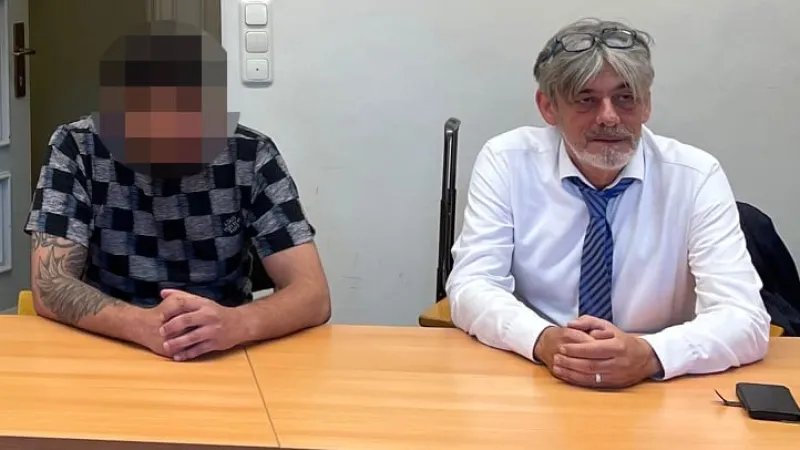
BERLIN – A sophisticated criminal operation allegedly selling fraudulent German language certificates, a mandatory prerequisite for naturalization, has been comprehensively unveiled through an ongoing trial, with prosecutors detailing how an individual identified as Abas A. exploited the social media giant TikTok to market and distribute these illicit documents. This lucrative scheme, which alarmingly even offered volume discounts, allowed numerous individuals to circumvent Germany's stringent linguistic proficiency requirements, thereby compromising the integrity of the nation's citizenship acquisition process.
The investigation brought to light a well-organized network designed to profit from the demand for an expedited or easier path to German citizenship. Rather than undertaking legitimate language courses and examinations, aspiring citizens could, through this illicit channel, procure what appeared to be official certifications, falsely demonstrating the necessary language skills.
TikTok served as the primary conduit for Abas A. to advertise his services, reaching a wide audience seeking to bypass the rigorous demands of German naturalization. The platform's extensive reach and often unmoderated content provided a fertile ground for the illicit trade, transforming a critical social media tool into an instrument for serious criminal activity.
During the proceedings, prosecutors have meticulously outlined the operational mechanics of the fraud. This involved not merely the sale of individual fake certificates but also the implementation of a pricing structure that incentivized larger purchases, directly referencing the volume discount strategy typically employed by legitimate businesses. This detail underscores the commercialized and calculated nature of the criminal enterprise.
The German government considers proficiency in the German language a cornerstone for successful integration and a fundamental requirement for naturalization. Applicants must demonstrate a B1 level proficiency, typically through recognized tests. The alleged actions of Abas A. directly undermine these foundational principles, creating a parallel, fraudulent pathway to citizenship.
Experts on immigration law and national security have voiced concerns regarding the broader implications of such schemes. Beyond the immediate financial fraud, the bypass of genuine integration requirements could lead to significant societal challenges and potential security vulnerabilities, as individuals enter the citizenry without proper vetting of their commitment to German societal norms and values.
The trial against Abas A. is expected to shed further light on the extent of the network and the number of individuals who may have fraudulently obtained German passports. Authorities are working to identify those who purchased these fake certificates, potentially facing legal repercussions themselves, including the revocation of their fraudulently acquired citizenship.
Such criminal activities pose a serious challenge to the trust placed in official documentation and the bureaucratic processes designed to protect national interests. The case serves as a stark reminder of the persistent threats posed by organized crime exploiting digital platforms for illicit gains.
The uncovering of this particular scheme also highlights the need for continuous vigilance and adaptation by regulatory bodies and law enforcement in the face of evolving digital criminal methodologies. As criminal enterprises increasingly leverage popular online platforms, the methods for detection and prosecution must similarly advance.
In light of these revelations, discussions are likely to intensify within German political circles regarding potential enhancements to citizenship verification procedures. The focus will undoubtedly be on strengthening the authentication processes for language certificates and increasing oversight of testing centers to prevent similar fraudulent operations from taking root in the future.
This case resonates with broader international efforts to combat identity and document fraud, especially as global migration patterns intensify. It underscores the transnational nature of organized crime and its ability to penetrate national administrative systems for illicit profit.
The implications extend beyond the immediate legal ramifications for Abas A. and those who purchased the certificates. The scandal could potentially trigger a review of how social media platforms, like TikTok, are monitored for illicit content and whether their current reporting mechanisms are sufficient to address sophisticated criminal exploitation.
Citizenship is a privilege granted based on adherence to legal requirements and a demonstrated commitment to the host nation. The alleged actions in this scheme represent a direct affront to these principles, devaluing the genuine efforts of those who legitimately navigate the naturalization process.
The trial continues to unfold, with public and governmental attention firmly fixed on its outcome. The resolution will not only determine the fate of Abas A. but could also set precedents for future enforcement actions against similar sophisticated fraud operations targeting national immigration systems.
This incident also prompts questions about the vulnerability of digital platforms to criminal exploitation. While TikTok has policies against illegal activities, the ease with which such a scheme could be advertised and executed highlights ongoing challenges in content moderation at scale.
The potential for a ripple effect across other European nations, which often share similar naturalization requirements and challenges, is also a consideration. Increased scrutiny of language proficiency certification processes may become a pan-European priority as a result of such high-profile cases.
Ultimately, the prosecution of Abas A. sends a clear message that attempts to undermine the integrity of Germany's citizenship laws through fraudulent means will be met with resolute legal action. This proactive stance is crucial for maintaining public confidence in the rule of law.