 Angela Stefani
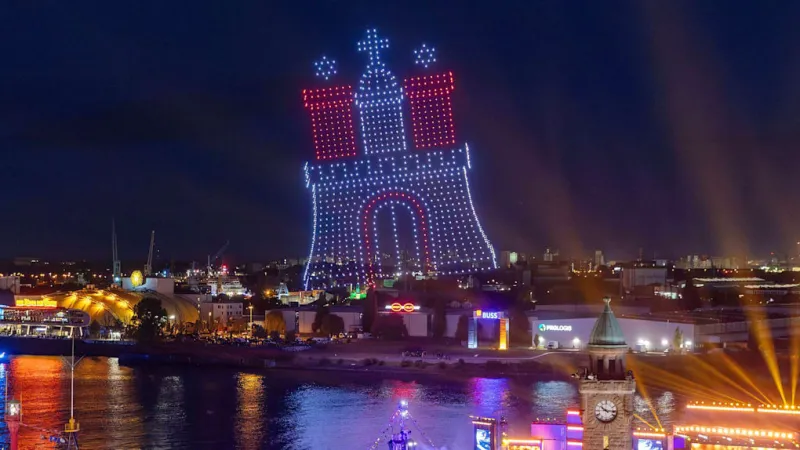
Hamburg, Germany, has decisively rejected its second attempt to host the Olympic Games, a decision that unfolded years prior, despite a multi-million-euro promotional campaign spearheaded by local political figures and celebrity endorsements. The popular vote underscored a persistent public reluctance to embrace the monumental undertaking, effectively derailing the citys aspirations to welcome the global athletic spectacle.
This rejection marks a significant setback for proponents who envisioned the Games as a catalyst for urban development and international prestige. The campaign, which saw prominent figures like rock legend Udo Lindenberg lend their support and the city mayor actively championing the cause, ultimately failed to sway a skeptical populace.
The financial implications of hosting an event of this magnitude were a central point of contention among residents. Critics highlighted the potential for soaring budgets, infrastructure strains, and the diversion of public funds from more pressing local needs. These concerns evidently resonated deeply within the community.
For a city that proudly styles itself as the Gateway to the World, this repeated refusal to embrace a global event like the Olympics presents a paradox. It suggests a prevailing sentiment among citizens that the perceived burdens outweigh the celebrated benefits of international engagement on such a grand scale.
The initial enthusiasm from some political and business circles was palpable. They argued that the Olympic Games would not only elevate Hamburgs international profile but also stimulate job creation and provide lasting infrastructure improvements beneficial to future generations. These arguments, however, met with considerable public resistance.
The campaign efforts included widespread media promotions, public forums, and visible displays across the city, such as banners featuring Lindenberg. Political leadership, including the mayors frequent appearances on public platforms, aimed to galvanize support and paint a picture of a dynamic, forward-looking city.
The outcome of the referendum was a clear indicator of democratic will, reflecting a deep-seated caution regarding the economic and social costs associated with hosting the Games. Many citizens voiced anxieties about rising taxes, displacement, and the environmental impact.
This is not Hamburgs first foray into Olympic ambition. The city had previously considered and rejected bids, indicating a pattern of public skepticism that contrasts with other major global cities eager to host the Games. The continuity of this public sentiment is noteworthy.
Political parties, particularly on the left and far-right, quickly responded to the decision. As reported previously, Hamburg Rejects Olympic Bid; Left, AfD Demand Immediate Action, highlighting the immediate political ramifications of the public vote and calling for accountability.
The public discourse surrounding the bid also touched upon the long-term legacy of the Games. While proponents emphasized sporting venues and transportation upgrades, opponents questioned whether these benefits would truly serve the broader community post-Olympics, or if they would become expensive white elephants.
The decisive nature of the vote suggests that the arguments for fiscal prudence and local welfare ultimately trumped the allure of international recognition and potential economic booms. This pragmatic approach underscores a critical difference in priorities between urban planners and the general populace.
Observers note that the result aligns with a broader trend in some European nations where public referendums have increasingly become hurdles for mega-events, reflecting growing concerns over public debt and sustainability.
The significant investment of several million euros into a campaign that ultimately failed raises questions about the effectiveness of public relations strategies when facing strong grassroots opposition. This financial outlay will now likely be scrutinized by local media and taxpayers alike.
The citys experience offers valuable lessons for other urban centers contemplating similar bids. It highlights the indispensable need for comprehensive public engagement and transparent financial projections from the outset, rather than relying solely on high-profile advocacy.
The rejection also prompted a reassessment of Hamburgs future international event strategy. While the city remains a hub for trade and culture, its path to hosting events of the Olympic scale appears definitively closed for the foreseeable future, as noted in earlier reports such as Hamburg Citizens Derail Olympic Bid for Future Games.
Ultimately, the citizens of Hamburg exercised their democratic right to shape their citys future, prioritizing local interests over a potentially expensive, albeit prestigious, global sporting event. The Elbe, flowing through the city, continues its course, now unburdened by Olympic construction plans.