Gabriella
Rome The Italian Council of Ministers convened today to approve an interim decree designed to mitigate soaring fuel costs, while simultaneously weighing a proposal to implement a mobile excise tax mechanism and a contentious increase in cigarette taxation. This urgent legislative action responds to persistent inflationary pressures and volatile energy markets impacting Italian consumers and businesses across the nation.
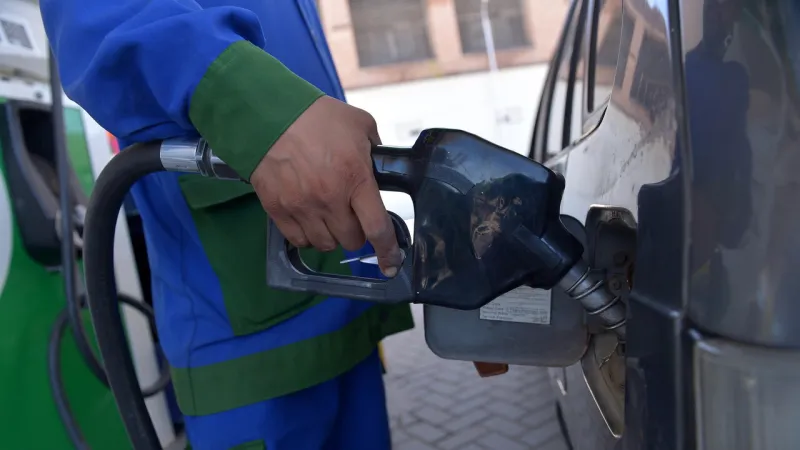
The bridge intervention decree, as it is referred to by government sources, represents an immediate and temporary measure. Its primary goal is to stabilize retail fuel prices at the pumps, providing immediate relief from the financial burden that high energy costs impose on everyday citizens.
Beyond this short-term fix, the government is reportedly preparing to introduce a more structural solution: the mobile excise tax. This system would automatically adjust fuel excise duties based on market price fluctuations, aiming to prevent future drastic spikes and ensure greater predictability for both consumers and state revenues.
A more controversial aspect under consideration involves a significant increase in the excise tax on cigarettes. This measure, if approved, would serve a dual purpose: discouraging tobacco consumption for public health reasons and, more immediately, generating additional revenue to offset the costs of fuel interventions or bolster the national budget.
Italy has grappled with elevated energy prices for an extended period, exacerbated by geopolitical events and global supply chain disruptions. These ongoing challenges have put considerable strain on household budgets and threatened the competitiveness of key industrial sectors, making government intervention increasingly imperative.
This is not the first instance the Italian government has sought to address the soaring fuel costs. Previous discussions within the Cabinet have explored various strategies, including focused measures to target specific fuel types. For example, discussions around targeting diesel in emergency fuel excise debates have been prominent in recent months, indicating a comprehensive approach to energy affordability.
The economic implications of these proposed measures are wide-ranging. While a reduction in fuel costs could stimulate economic activity and ease consumer spending, an increase in cigarette taxes could face resistance from various lobbies and segments of the population. Striking a balance between fiscal responsibility and public welfare remains a delicate task for the administration.
Public health advocates would likely welcome a cigarette tax hike as a deterrent to smoking, aligning with broader European efforts to reduce tobacco use. However, industry groups and consumer associations often voice concerns about the potential for illicit trade and the disproportionate impact on lower-income individuals.
The decree, once approved by the Council of Ministers, will swiftly move through the legislative process, likely requiring parliamentary ratification within a specified timeframe. The government aims for a prompt implementation to ensure that the measures can take effect before further economic pressures mount.
Analysts suggest that the adoption of a mobile excise mechanism for fuel represents a forward-thinking approach, potentially offering a more sustainable framework for managing energy costs than repeated ad hoc interventions. Its success will depend on its responsiveness to market changes and public acceptance.
The decision to link fuel price stabilization with other revenue-generating measures, such as the cigarette tax, underscores the fiscal challenges facing the Italian state. Governments across Europe are contending with similar dilemmas, striving to protect citizens from economic shocks while maintaining sound public finances.
As the decree moves forward, public discourse is expected to intensify, particularly surrounding the equity and effectiveness of taxing consumer goods like cigarettes to subsidize other essential costs. The decision by the Cabinet reflects a complex interplay of economic necessity, social policy, and political will.