 Chandra Wijayanto
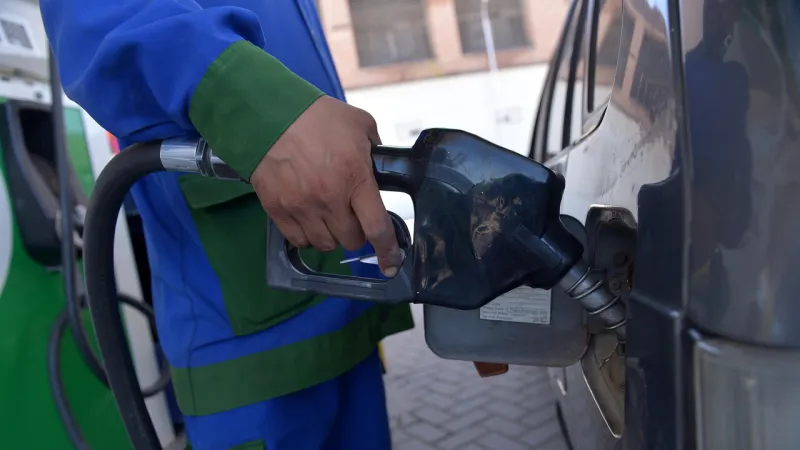
Rome – Italy's Council of Ministers convened today to address the escalating cost of fuels, approving an urgent bridge intervention decree designed to mitigate immediate financial pressures on citizens and businesses. The measure precedes a longer-term strategy that includes the potential implementation of a mobile excise duty system, signaling a determined governmental response to the persistent energy challenge.
The extraordinary session underscores the critical nature of the fuel price surge, which has become a significant economic concern across the nation. Families face mounting expenses for transportation, while commercial sectors, particularly logistics and agriculture, grapple with increased operational costs, threatening the nation's economic stability.
This immediate bridge intervention is understood to be a temporary fiscal adjustment, likely targeting specific fuel components to provide swift relief. While specific figures remain undisclosed pending official publication, the objective is to create a buffer against volatile international crude oil markets that have seen erratic fluctuations throughout 2026.
Following this interim solution, the government reportedly plans to introduce a more adaptive mobile excise duty. This mechanism would dynamically adjust fuel taxes based on market prices, theoretically cushioning consumers from sharp spikes and providing greater predictability in a fluctuating global energy landscape.
Government sources emphasize that this two-pronged approach aims to balance immediate consumer protection with sustainable long-term fiscal management. The administration seeks to avoid drastic swings in pump prices that can destabilize household budgets and disrupt business planning, a primary focus of its current economic agenda.
The immediate intervention is expected to offer a perceptible, albeit perhaps modest, reduction in fuel costs at the pump. This move is crucial for maintaining public confidence and preventing further inflationary pressures on essential goods and services, which have already seen incremental rises this year.
The potential adoption of a mobile excise structure represents a significant shift in Italy's energy tax policy. It signals a move towards a more responsive system designed to insulate the domestic market from global price volatility, a lesson learned from recent geopolitical and economic disruptions that have exposed vulnerabilities.
Discussions around such fiscal tools are not new. Analysts recall similar debates in previous years when energy costs soared, highlighting the cyclical nature of this economic challenge. The urgency now appears to have propelled these discussions into concrete, actionable policy, reflecting a proactive stance.
The government's swift action on fuel prices is also viewed within the broader political context, addressing widespread public sentiment and economic anxieties. Maintaining affordability of essential commodities often ranks high on political agendas, especially in periods of economic uncertainty when public discontent can quickly escalate.
This policy move aligns with ongoing governmental scrutiny of energy taxation, as previously highlighted in discussions surrounding Italy Targets Diesel in Emergency Fuel Excise Debate. The focus remains on refining the tax structure to ensure equity and economic stability for all segments of the population.
Industry groups and consumer associations eagerly await the full details of the decree. While generally welcoming any measure to curb rising costs, many will scrutinize the specifics to assess the true impact and sustainability of the proposed solutions, particularly their long-term effects on the national budget.
The decree's approval by the Council of Ministers today initiates the formal process for its implementation. Further legislative steps and technical definitions are anticipated in the coming days, clarifying the exact parameters and duration of both the bridge intervention and the mobile excise framework.