 Dodi Irawan
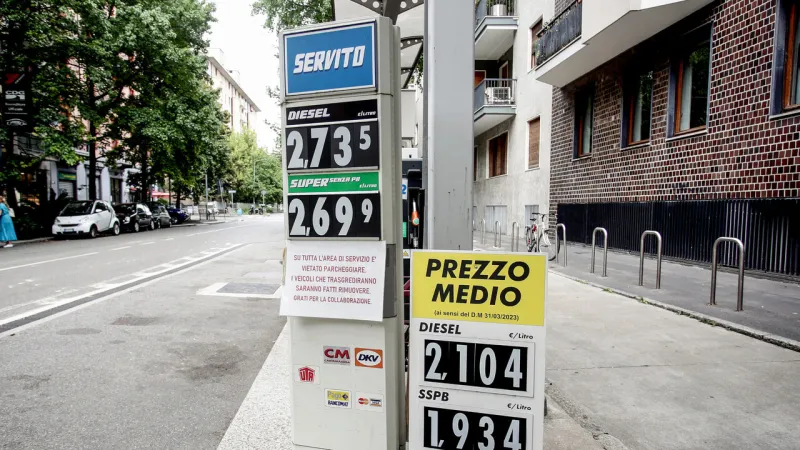
ROME — The Italian government is actively considering an emergency bridge intervention to stabilize escalating fuel prices, specifically targeting diesel, with discussions pointing to the implementation of mobile excise duties as early as August. This fiscal maneuver comes amid growing pressure from opposition parties demanding immediate and substantial measures to protect the nations most economically vulnerable citizens from the rising cost of living.
The proposed intervention signals a strategic shift in how Rome plans to manage energy costs, moving beyond traditional subsidies to a more dynamic system. Mobile excise duties are designed to fluctuate with market prices, theoretically reducing the tax burden when fuel costs climb significantly and increasing it when prices are lower, thereby offering a measure of stability to consumers.
Diesel, a critical fuel for both commercial transport and a substantial portion of private vehicles, has been identified as a priority for this potential intervention. Its price directly impacts logistics, agriculture, and daily commutes, making its stabilization a key factor in mitigating broader inflationary pressures across the Italian economy.
Opposition factions have vociferously criticized the governments perceived delay in addressing the fuel crisis. They argue that waiting until August for mobile excises is insufficient and call for immediate, decisive action. Their primary concern revolves around the profound impact rising fuel costs have on low-income households and small businesses already grappling with economic strain.
Leaders from various opposition parties have issued unified pleas for the executive to enact measures that directly benefit the nations weakest segments. These demands often include direct aid, targeted subsidies, or an accelerated reduction of existing fuel taxes, rather than waiting for the proposed mobile excise framework to take effect.
While the government acknowledges the urgency, sources suggest that the August timeline for mobile excises is linked to necessary legislative and administrative preparations. Implementing a complex fiscal mechanism like variable duties requires careful calibration to avoid unintended market distortions or budgetary shortfalls.
Italys economy, like many others across Europe, has been navigating a period of persistent inflation driven by geopolitical instability and supply chain disruptions. The cost of energy, particularly fuel, remains a significant contributor to the overall price index, exerting pressure on household budgets and corporate operating expenses.
For average Italian families, every increase at the pump translates into difficult choices, potentially forcing cuts in other essential spending categories. Small and medium-sized enterprises, the backbone of the Italian economy, also face tighter margins as transportation and operational costs climb.
Previous Italian administrations have, at times, resorted to various fiscal interventions to temper fuel price volatility, ranging from temporary VAT reductions to direct consumer bonuses. The current proposal for mobile excises represents a more structural approach, aiming for a longer-term solution rather than a short-term fix.
The handling of this fuel crisis carries significant political weight for the governing coalition. Failure to adequately address public discontent over fuel prices could erode public trust and provide potent ammunition for the opposition ahead of future electoral cycles. Conversely, a successful intervention could bolster their image as competent economic managers.
Economic analysts observing the situation indicate that while mobile excises offer flexibility, their effectiveness hinges on transparent implementation and a clear communication strategy. “The devil is in the details with these dynamic tax mechanisms,” stated one prominent analyst, “and the public needs to understand how and when relief will materialize.”
As August approaches, the political debate surrounding fuel prices is expected to intensify. The governments precise proposal will be scrutinized for its scope, its immediate impact, and its long-term viability in providing genuine relief to citizens and businesses struggling with high energy costs.