 Edward DP Situmorang
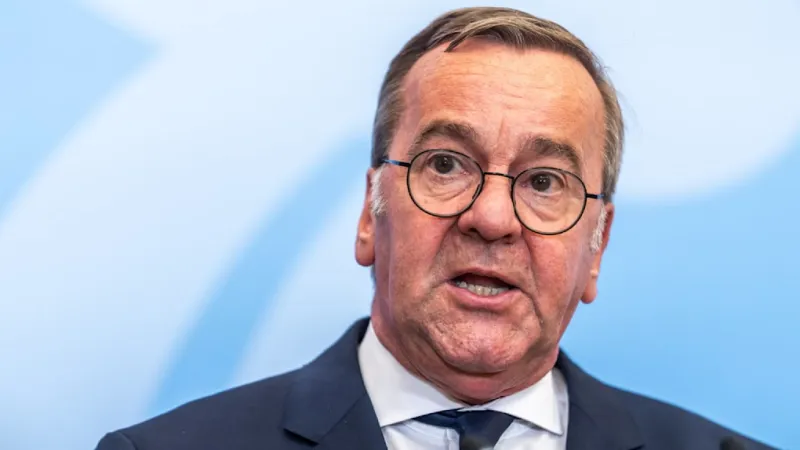
BERLIN – German Defense Minister Boris Pistorius sought to temper growing concerns this week regarding the robustness of the transatlantic alliance, describing a recent admonishment from his United States counterpart, Secretary Pete Hegseth, as "not particularly happy" while nevertheless asserting stability in the relationship between NATO and President Donald Trump.
The defense chief's remarks arrive amidst sustained scrutiny of the cohesion within the North Atlantic Treaty Organization, particularly concerning its dynamic with the current US administration. President Trump has frequently voiced skepticism about the alliance's burden-sharing principles, creating a palpable undercurrent of tension among member states.
Pistorius explicitly dismissed notions of a "marriage crisis" within the alliance, opting for a more diplomatic assessment of the recent friction. His measured language aimed to calm anxieties that have arisen from recent exchanges between Washington and Berlin.
The German minister pinpointed the remarks by US Secretary of Defense Pete Hegseth as the source of his diplomatic discomfort. While not detailing the exact nature of the "scolding," Pistorius acknowledged the incident without escalating its perceived severity.
Observers suggest Secretary Hegseth's pointed comments likely stemmed from ongoing debates surrounding defense spending commitments among NATO members and divergent approaches to international security challenges. Such exchanges, while sometimes robust, are not unprecedented in the alliance's history.
"That is really no marriage crisis," Pistorius stated, reinforcing the long-standing bond between the United States and its European allies. He emphasized the fundamental shared values and strategic interests that continue to underpin the alliance's strength, despite occasional disagreements.
The context of these discussions also involves the leadership of NATO Secretary General Mark Rutte, who has been working to navigate the complexities of transatlantic relations and maintain a unified front among member nations. Rutte's role is critical in fostering consensus amidst varied national priorities.
President Trump's administration has consistently pressed NATO allies to meet or exceed the agreed-upon 2% of GDP defense spending target. This demand has been a recurring theme, often leading to public admonitions from US officials towards countries perceived as lagging.
For Germany, a significant European economic power, the push for increased defense expenditure has been a politically sensitive issue. Berlin has made strides in boosting its military budget, but the pace and extent of these increases remain a point of discussion within the alliance.
European leaders, including Italian Prime Minister Giorgia Meloni, have been actively preparing for upcoming NATO summits, where these very issues of defense spending and strategic autonomy are expected to dominate the agenda. The need for a cohesive European defense strategy is increasingly emphasized. Meloni Prepares for NATO Summit Amid US Spending Concerns, Ukraine Aid Denial highlights the broader context of these discussions.
The underlying goal for all parties remains the preservation of NATO's deterrence capabilities and its ability to respond effectively to evolving global threats. From cybersecurity to regional conflicts, the alliance's collective strength relies on mutual commitment.
Analysts view Pistorius's remarks as a strategic move to manage expectations and prevent a diplomatic spat from escalating into a deeper rift. His intervention underscores the German government's commitment to the alliance while acknowledging internal friction.
The dialogue between Washington and its European allies is crucial, particularly in light of ongoing geopolitical instability. Maintaining a strong, unified NATO front is paramount for collective security in a volatile world.
Despite the "not particularly happy" characterization, the German Defense Minister's overall message conveyed an underlying confidence in the resilience of the transatlantic partnership. It signalled a willingness to address disagreements constructively.
The interaction serves as a reminder that even the strongest alliances experience periods of strain. Effective diplomacy, such as that employed by Pistorius, is essential for navigating these challenges and reinforcing the foundations of international cooperation.