Angela Stefani
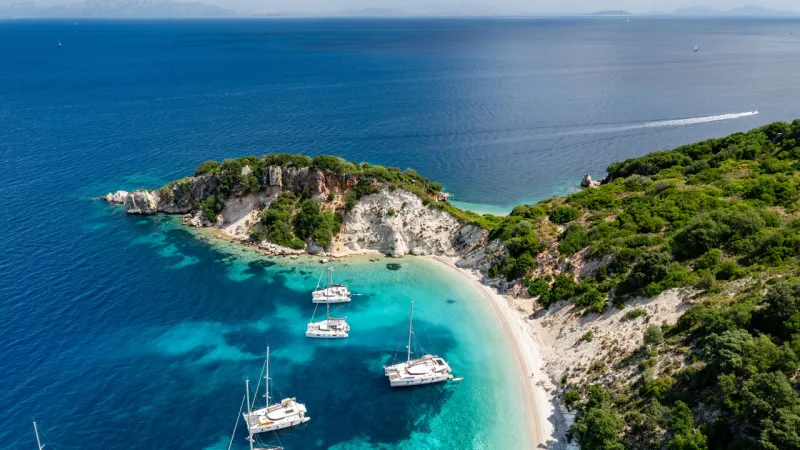
A surge of renewed interest in the epic tale of Odysseus is inspiring a "Homeric summer," drawing travelers to meticulously retrace the legendary journey from ancient Troy in Turkey to Ithaca in Greece. This burgeoning phenomenon, colloquially dubbed Nolan's Odyssey, is creating a modern-day pilgrimage along the Mediterranean, encompassing mythical landscapes like the Aeolian Islands and Circeo.
The enduring power of Homer's Odyssey, a foundational text of Western literature, continues to captivate contemporary imaginations. This latest wave of enthusiasm highlights a profound human desire to connect with ancient narratives and experience history firsthand.
Travelers embarking on this epic traverse begin their odyssey in Troy, the historical and mythical city in northwestern Turkey. Site of the Trojan War, Troy serves as the poignant starting point for Odysseus's arduous, decade-long journey home, fraught with divine intervention and monstrous encounters.
From the plains of ancient Anatolia, the modern pilgrimage follows a path across the vast expanse of the Mediterranean Sea. This maritime route mirrors the tumultuous seas Odysseus navigated, encountering both peril and wonder in his determined effort to return to his kingdom.
The journey often includes stops in the Aeolian Islands, an archipelago off the northern coast of Sicily in Italy. These volcanic islands are steeped in myth, famously associated with Aeolus, the god of winds, who provided Odysseus with a bag containing all the storm winds, a gift that ultimately led to further misfortune.
Further west along the Italian coast lies Circeo, a prominent headland that local tradition identifies as the island of Aeaea, home to the formidable sorceress Circe. Here, Odysseus's crew faced transformation into swine, highlighting the perilous allure and magical challenges he overcame.
Ultimately, the modern voyagers aspire to reach Ithaca, Odysseus's beloved homeland in the Ionian Sea. This verdant Greek island symbolizes the quest for home, loyalty, and the ultimate triumph of perseverance, representing the culmination of an extraordinary journey against all odds.
Numerous tour operators and private expeditions are catering to this specialized travel market, offering bespoke cruises, sailing adventures, and guided historical tours. These arrangements allow participants to delve deeply into the archaeological, cultural, and mythological dimensions of each stop along the route.
The appeal extends beyond mere historical reenactment; it is a profound blend of cultural immersion, adventurous exploration, and self-discovery. Participants often seek to understand the human condition as portrayed by Homer, reflecting on themes of resilience, temptation, and the pull of hearth and home.
Indeed, the act of physically tracing these mythical locations provides a unique perspective on how legendary tales continue to shape perceptions of geography and heritage. As one related article notes, these modern expeditions truly Odyssey Retraced: Journey Blurs Myth and Reality Across Mediterranean, offering an immersive experience into an ancient world.
This burgeoning interest also delivers a significant economic boost to local communities across Turkey, Italy, and Greece. Tourism revenues from hotels, restaurants, maritime services, and cultural sites benefit directly from the influx of travelers seeking to walk in the footsteps of Odysseus.
The phenomenon underscores the timeless resonance of epic poetry and its capacity to inspire real-world journeys centuries after its creation. The allure of the Odyssey persists, inviting new generations to explore the profound narrative of struggle, discovery, and the ultimate return.