 Dorry Archiles
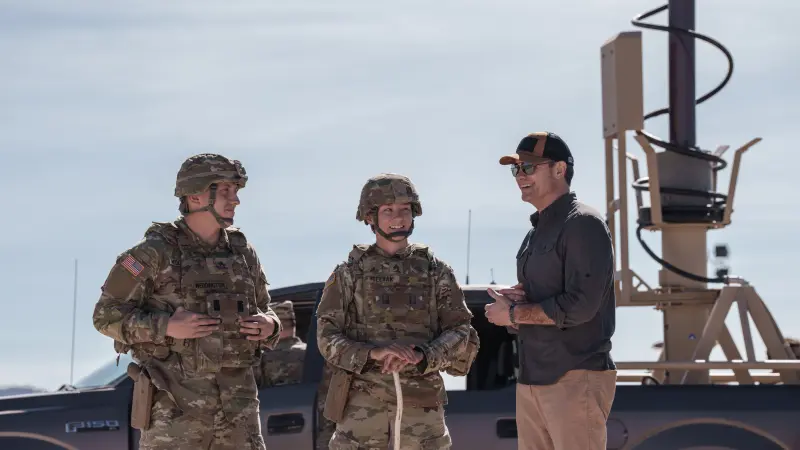
WASHINGTON — Pete Hegseth, a prominent voice within President Donald Trump's administration, announced Monday his intention to implement a significant policy shift that would permit military personnel to carry personal firearms on United States military installations. The move, aimed at bolstering individual defense capabilities and base security, signals a potential departure from long-standing restrictions, sparking immediate debate among defense experts and lawmakers concerning safety and readiness.
Hegseth, speaking from a policy forum in the nations capital, emphasized that the measure would empower service members to defend themselves and their colleagues against potential threats. He articulated a vision where troops, often the first responders in any incident, would not be disarmed in environments designed to be secure but which have, on occasion, proven vulnerable.
“Our troops are trained professionals, entrusted with defending our nation, yet often disarmed within their own barracks and facilities,” Hegseth stated. “This policy will restore their fundamental right to self-defense, enhancing vigilance and serving as a deterrent against nefarious actors seeking to target our military families.”
The proposal directly challenges the prevailing Department of Defense directive that generally restricts the carrying of personal firearms on federal property, including military bases, except by law enforcement or designated on-duty personnel. This policy has been in place for decades, primarily citing concerns over safety, accidental discharge, and maintaining strict control over weapons within a military environment.
Advocates for the change have long argued that current regulations leave military personnel vulnerable to attacks from within or outside base perimeters, citing past incidents where unarmed service members became targets. They contend that a trained and armed populace on base could reduce casualties during active shooter events.
Conversely, critics quickly voiced substantial concerns. Retired General Martha Reynolds, a leading military strategist, cautioned against the ramifications. “Introducing more personal firearms onto bases, regardless of the individual, increases the risk of accidental shootings, suicides, and unauthorized use of force, potentially complicating, rather than simplifying, security protocols,” General Reynolds said.
Logistical challenges loom large for the proposed policy. Questions regarding the types of firearms permitted, storage requirements, mandatory training, and comprehensive accountability measures for personal weapons would need meticulous planning and robust implementation. The administrative burden on base commanders could be immense.
This initiative aligns squarely with President Donald Trump's broader agenda, which consistently champions Second Amendment rights and a robust national defense posture. The administration has frequently advocated for policies that empower individuals with means of self-protection, and this proposal extends that philosophy to the military domain.
Congressional reaction has been swift and largely along partisan lines. Republican lawmakers have largely praised Hegseth's stance, framing it as a commonsense approach to troop protection. Democratic counterparts, however, expressed apprehension, calling for a thorough review of potential risks before any such policy is enacted.
The Department of Defense has not yet issued a formal statement regarding Hegseth’s specific proposal, though sources indicate internal discussions are underway. Any significant change would require extensive legal and operational review, likely culminating in updated directives that would cascade throughout all branches of the armed services.
Beyond the political and logistical hurdles, the proposal also touches upon the morale and culture within the military itself. Some service members might welcome the increased autonomy and perceived safety, while others could view it as an unnecessary complication or an added responsibility in an already demanding profession.
The international community will also observe closely. How such a policy shift might affect the security posture of US military installations abroad, or the perception of safety for allied personnel and foreign nationals visiting US bases, remains an open question.
Should the administration move forward, a phased implementation or pilot programs at select bases could be considered to assess efficacy and address unforeseen challenges. The regulatory framework would need to be exceptionally clear to prevent ambiguity.
The debate over Hegseth's intention to let troops take personal firearms onto military bases reflects a larger national conversation about gun rights, personal liberty, and the optimal strategies for safeguarding those who serve our country. The ramifications of such a monumental policy change will resonate deeply within the military and across the nation for years to come.