 Chandra Wijayanto
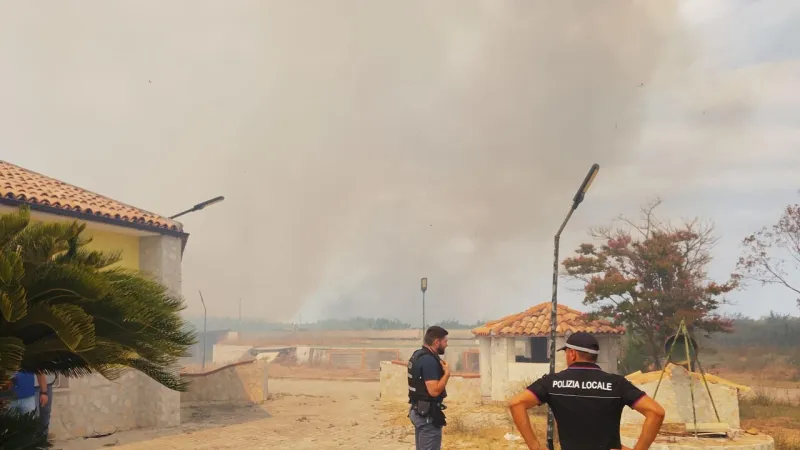
Massive wildfires, exacerbated by relentless winds, have ignited across Italy's Gargano peninsula and the Molise region, forcing the immediate evacuation of numerous beaches and campsites. The blazes, particularly fierce near Peschici, have rekindled painful memories of a devastating 2007 inferno in the same coastal area, prompting a swift, large-scale emergency response.
Thousands of vacationers, including families and international tourists, faced urgent calls to leave their accommodations as smoke plumes darkened the summer sky and flames encroached upon coastal zones. Local authorities initiated the evacuations to ensure public safety, prioritizing areas most threatened by the rapidly advancing fire fronts.
The resurgence of fear in Peschici is palpable, directly referencing the catastrophic 2007 fires that decimated vast tracts of the region and resulted in significant loss. That previous disaster served as a stark reminder of the vulnerability of the Gargano landscape, heavily covered in flammable Mediterranean scrub and pine forests.
Unusually high temperatures combined with persistent, strong sirocco winds from the south have created a volatile environment, significantly hindering firefighting efforts. These conditions allow embers to travel considerable distances, sparking new outbreaks and complicating containment strategies for emergency crews.
Firefighting units from across the region, bolstered by civil protection volunteers, are working tirelessly to control the infernos. Water-dropping planes and helicopters provide critical aerial support, attempting to douse the most intense hotspots in the rugged terrain where ground access remains challenging. This ongoing battle against the advancing flames highlights the severe pressures on emergency services.
The picturesque Gargano region, renowned for its pristine beaches and national park, relies heavily on summer tourism. These current wildfires present a severe blow to the local economy, disrupting peak season bookings and potentially deterring future visitors, thereby compounding the environmental damage with economic hardship.
Officials have issued urgent warnings, urging both residents and tourists to comply strictly with evacuation orders and avoid fire-affected zones. The emphasis remains on preventing human casualties and safeguarding critical infrastructure. For additional context on regional emergencies, see this article regarding Wildfires Engulf Southern Italy, Forcing Mass Evacuations and Traffic Chaos.
Italy is not isolated in this crisis; Mediterranean countries routinely grapple with intense wildfire seasons, a phenomenon experts increasingly link to climate change and prolonged droughts. The frequency and intensity of these blazes pose an escalating challenge to environmental management and disaster preparedness across the basin.
While Peschici remains a focal point, reports indicate significant fire activity also in other parts of the Gargano peninsula and the neighboring Molise region, stretching emergency resources thin. The strategic deployment of assets aims to protect populated areas first, then critical natural habitats.
Local residents, many of whom have endured similar events, express a mixture of apprehension and grim determination. Community networks are activating to assist evacuees, offering shelter and support as they await news on the fate of their homes and businesses. The resilience of these communities faces another profound test.
Despite ongoing prevention efforts, the sheer scale of the fires underscores the complexities of protecting vast natural landscapes. Long-term strategies, encompassing forest management, public awareness campaigns, and climate resilience measures, are becoming increasingly vital for the region's future. For specific details on the Gargano situation, refer to this report about Gargano Wildfire Forces Tourist Evacuation As Strong Winds Fuel Blaze.
The Italian government has pledged support for the affected areas, with plans for disaster relief and reconstruction efforts expected once the immediate threat subsides. Such commitments are crucial for the long-term recovery of communities facing significant environmental and economic setbacks.