Dodi Irawan
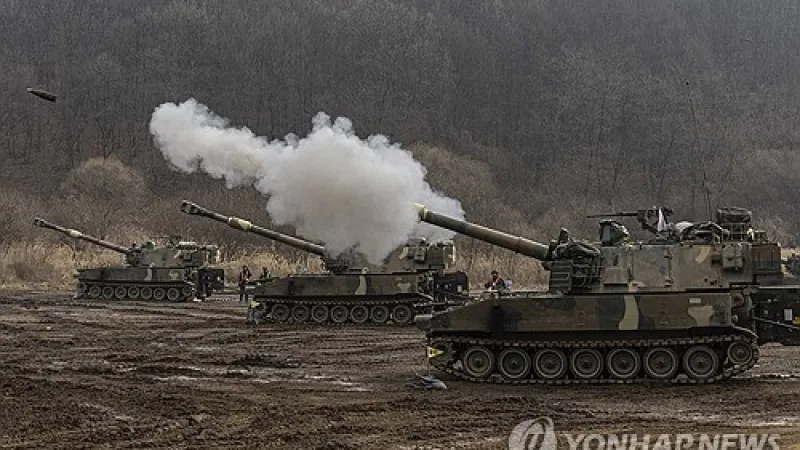
SEOUL, Nov. 10 – A South Korean Army self-propelled howitzer collided with two civilian vehicles today on a major highway, triggering a fatal pileup that claimed multiple lives and injured several others. The devastating incident occurred during daylight hours, disrupting traffic and initiating a swift, multi-agency emergency response.
Authorities confirm the K9 Thunder howitzer, a formidable piece of military equipment, was part of a convoy moving along the thoroughfare when the collision transpired. Details surrounding the exact cause of the crash remain sparse as investigators comb through evidence at the scene.
Emergency services rushed to the location, providing immediate medical assistance to the injured before transporting them to nearby hospitals. The full extent of the casualties and injuries is still being compiled by rescue teams and medical personnel.
The South Korean Ministry of National Defense immediately launched an investigation into the circumstances leading to the catastrophic accident. Military police are working in conjunction with civilian traffic police to ascertain facts, including vehicle speeds, driver conduct, and road conditions at the time of impact.
Witnesses described a scene of chaos and significant damage to the vehicles involved, underscoring the destructive power of a military vehicle colliding with passenger cars. The highway was closed for several hours, causing considerable traffic disruption across the metropolitan area.
Concerns about military vehicle movements on public roads have periodically surfaced in South Korea, a nation with a large standing army and frequent logistical operations. Such incidents, while rare, highlight the inherent risks associated with sharing infrastructure with heavy military hardware.
This incident casts a somber shadow over public perception of military operations, especially within densely populated urban centers. The military has a responsibility to ensure the safety of both its personnel and the civilian populace during all movements.
The government has pledged a thorough and transparent investigation, promising to hold accountable any parties found negligent. Officials are working to notify the families of the victims, extending condolences during this difficult time.
The long-term implications for military transport protocols and urban road safety measures will likely be a significant focus as the inquiry progresses. The need for stringent safety checks and appropriate convoy management cannot be overstated.
The howitzer collision serves as a stark reminder of the critical balance between national defense readiness and the paramount importance of civilian safety on shared infrastructure. South Korea, always vigilant concerning regional security, must also ensure internal safety.
Public discourse will undoubtedly pivot to questions of accountability and prevention. As the investigation continues, the focus remains on supporting the victims and preventing future tragedies on the nation's roadways involving military assets.
Further updates are expected from the joint investigation team as they piece together the sequence of events that led to the deadly highway pileup. The gravity of the situation demands a comprehensive review of existing safety regulations and operational procedures for military convoys within civilian areas.