 Debby Wijaya
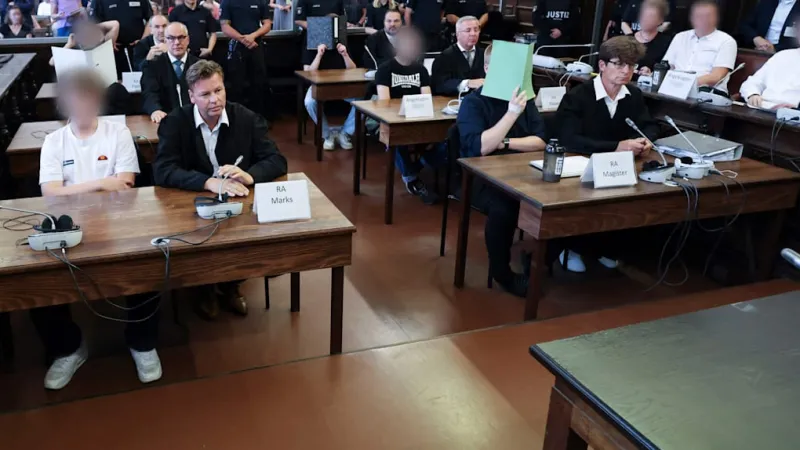
HAMBURG – A German court has handed down significant prison sentences to seven young individuals convicted of involvement in a right-wing extremist terror group, bringing to light the complex issue of youth radicalization within hate networks. The verdict, delivered recently, underscores the judiciary's firm stance against extremism while also revealing the deeply fragmented lives of those drawn into such ideologies.
The individuals, whose ages were not specified but described as young, faced charges related to their activities within a nascent domestic terror cell. Their convictions mark a critical intervention by the justice system to dismantle a potentially dangerous extremist collective before it could escalate its threats.
Investigations revealed the defendants had found solace and purpose within online hate networks, platforms where extremist ideologies often fester and recruit vulnerable youth. These digital echo chambers served as breeding grounds for radical thought, ultimately culminating in the formation of the now-prosecuted group.
During the trial, judges frequently referenced the defendants' shattered biographies, painting a picture of individuals seeking belonging and identity in destructive ways. This observation points to deeper societal issues that compel young people toward radical fringe movements.
A presiding judge described the defendants' involvement as rooted in “chaos,” expressing a somber hope for genuine repentance among the convicted. This sentiment highlights the judiciary's dual role of punishment and a reluctant aspiration for rehabilitation.
Despite the court's attempt to foster a path toward remorse, the proceedings were marred by a chilling defiance from at least one of the accused. In a written statement, an unnamed defendant brazenly asserted, “Our terror network stands,” signaling an alarming lack of contrition and a continued commitment to extremist principles.
The Hamburg verdict aligns with growing concerns across Germany regarding the resurgence and persistent threat of right-wing extremism, particularly among younger demographics. Authorities have observed an uptick in radicalized individuals drawn to nationalist and xenophobic narratives.
This case follows other instances where German law enforcement has intervened against extremist plots and activities, reflecting a vigilant stance against domestic terror. The Federal Criminal Police Office has repeatedly warned about the evolving nature of extremist threats.
The involvement of young individuals in such severe crimes parallels concerns seen in other European nations regarding youth violence and radicalization, as evidenced by reports such as the Youth Knife Attack in Naples Leaves Twelve-Year-Old Injured. While distinct in nature, both illustrate the vulnerability of youth to destructive influences.
The existence of organized extremist groups, even small ones, poses a direct threat to democratic values and social cohesion. Society grapples with the challenge of understanding and countering the pathways that lead young citizens down such dangerous roads.
Efforts to counter right-wing extremism often involve a multifaceted approach, combining law enforcement actions with educational programs and social initiatives aimed at providing alternatives to hate-filled narratives. These preventative measures are crucial in stemming the tide of radicalization.
The German government has continuously reiterated its commitment to combating all forms of extremism, allocating resources to intelligence agencies and community programs designed to de-radicalize individuals and protect vulnerable populations.
The role of online platforms in facilitating radicalization remains a significant challenge for authorities. Extremist groups exploit the anonymity and reach of the internet to spread propaganda and recruit new members, often targeting isolated or disaffected youth.
The Hamburg case serves as a stark reminder of the persistent need for vigilance from both judicial bodies and the public in identifying and addressing the early signs of radicalization. Community support networks play a vital role in offering positive alternatives.
While the justice system has delivered its judgment, the underlying societal issues that foster environments for right-wing extremism and youth disillusionment continue to demand sustained attention and intervention from various sectors of society. The defiant message from one convicted individual underscores that the struggle against these networks remains ongoing.