 Robert Andrison
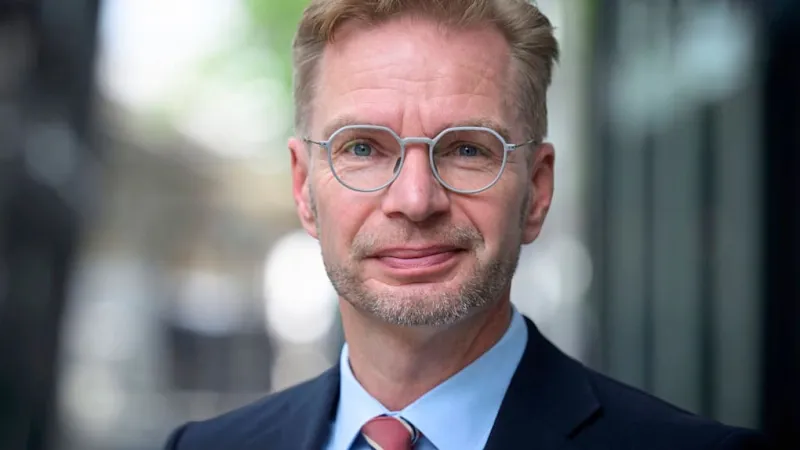
Germany – Reiner Holznagel, President of the Taxpayers Federation, launched a scathing critique of Germany’s current financial policy, asserting that the state demonstrates a clear lack of effort in providing meaningful relief to its citizens. This robust condemnation centers on a system he contends actively punishes diligent work and inadvertently fosters the growth of an illicit tobacco market.
Holznagel did not mince words, directly stating, "The state makes no effort to relieve us taxpayers. That is bitter." His comments underscore a pervasive sentiment among many German citizens who increasingly feel burdened by an unresponsive fiscal framework.
The core of Holznagel's argument spotlights policies that disincentivize additional labor. He maintains that individuals seeking to work more hours or earn higher incomes frequently encounter escalating tax brackets and social contributions, effectively negating the financial benefits of their increased efforts. This system, he argues, creates a disincentive for productivity and economic growth.
Beyond the individual taxpayer, the federation president also drew attention to the burgeoning black market for tobacco products. He suggested that excessive taxation and regulatory measures have inadvertently fueled this illicit trade, creating a parallel economy that deprives the state of legitimate revenue while exposing consumers to unregulated goods.
This concern aligns with recent discussions surrounding potential increases in tobacco taxes, a measure often considered by governments seeking to bolster revenue. Such policies, while intended to generate funds, carry the risk of pushing more consumers towards cheaper, untaxed alternatives. For more on this, see Germany Prepares Significant Tobacco Tax Increase Amid Budget Woes.
Holznagel conveyed that many people feel "deceived" or "taken advantage of" by the current fiscal environment. This sentiment of disillusionment stems from a perceived disconnect between government rhetoric and the tangible financial realities faced by everyday Germans, particularly in a climate of economic uncertainty.
The Taxpayers Federation, known for its advocacy on behalf of German citizens regarding tax matters, consistently monitors government spending and revenue policies. Holznagel's position as president grants him a prominent platform to articulate these concerns, often serving as a critical voice challenging governmental financial strategies.
The critique comes at a time when Germany grapples with numerous fiscal challenges, including commitments to large-scale infrastructure projects, energy transition initiatives, and social welfare programs. The funding for these ambitious undertakings often places increased demands on the national budget.
For instance, efforts towards the country's energy transformation, such as the heat transition, have faced significant financial hurdles and public debate over cost distribution. This broader fiscal reckoning further complicates the landscape for taxpayer relief, as detailed in Germany's Heat Transition Falters Amid Fiscal Reckoning.
Critics argue that the government's approach prioritizes revenue generation through existing mechanisms rather than exploring avenues for genuine economic stimulus through tax reductions or streamlined regulations. This perspective suggests a reliance on maintaining current income streams at the expense of fostering a more dynamic and less burdensome economic environment for citizens and businesses.
The federation routinely proposes alternatives, advocating for fiscal prudence, greater transparency in government spending, and targeted tax reforms designed to alleviate pressure on middle-income earners and small businesses. They emphasize that sustainable state finances should not come at the cost of penalizing individual enterprise.
Holznagel's warnings are a potent reminder of the delicate balance governments must strike between funding public services and ensuring a fair and equitable tax system that encourages, rather than discourages, economic participation. The public discourse surrounding Germany's financial future remains vibrant, with calls for comprehensive reform echoing from various sectors.