 Chandra Wijayanto
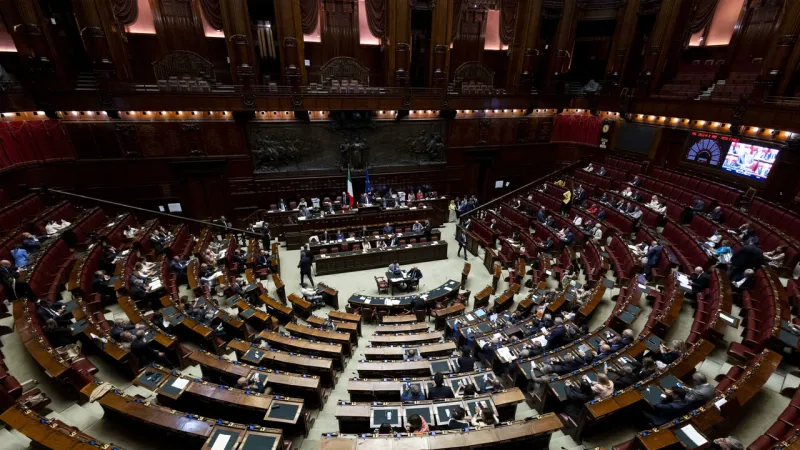
ROME – Italy’s contentious electoral reform bill has officially advanced to the Senate, following its recent approval by the Chamber of Deputies, setting the stage for a critical examination by the Constitutional Affairs Committee as lawmakers prepare to debate its implications for the nation's political landscape.
The legislation, which seeks to overhaul the nation's voting system, received a green light from the lower house. Its transmission to the Senate marks a pivotal legislative step, indicating the government's resolve to push through the significant electoral law.
Sources within the Italian Parliament suggest the bill could be formally introduced, or “incardinated,” for debate in the Constitutional Affairs Committee as early as next week. This formal presentation is a necessary procedural hurdle before a full committee review can commence.
The Senate, often dubbed the upper house, plays a crucial role in validating or amending legislation passed by the Chamber. Its review is not merely a formality but a stage where bills can be significantly altered or even rejected, especially complex measures like an electoral law.
Historically, electoral reforms in Italy have been particularly fraught, frequently sparking intense political contention and reshaping governmental alliances. The current push for a new electoral law is no exception, drawing attention from across the political spectrum.
Political observers anticipate heated discussions within the Constitutional Affairs Committee. The composition of the Senate and the varying interests of political parties ensure that the path to final approval for this electoral law will likely be challenging.
Many parties view the shaping of the electoral system as fundamental to their future prospects, making negotiations over specific clauses of the electoral law notoriously difficult. Each proposed change can profoundly affect how votes translate into parliamentary seats.
The current legislative maneuver underscores the government's commitment to delivering on its mandate for institutional reform. Proponents argue that a revised electoral law could enhance political stability and streamline governance, addressing some perennial issues within the Italian parliamentary system.
Conversely, opposition factions are expected to scrutinize every detail, raising concerns about fairness, representation, and potential partisan advantages. Their arguments will focus on ensuring the electoral law truly serves democratic principles rather than specific political agendas.
This development comes amidst broader legislative activity in Rome, including debates on other significant reforms. The Senate has recently seen intense discussions, for example, on justice reform, which has at times caused Italy's Coalition Fractures Amid Fiery Senate Justice Reform Debate, highlighting the delicate balance within the ruling majority.
The successful navigation of the Chamber of Deputies for this electoral law does not guarantee smooth passage through the Senate. Any amendments introduced in the upper house would necessitate the bill returning to the Chamber for further approval, prolonging its legislative journey.
The stakes are particularly high because the electoral system directly impacts the formation of future governments and the distribution of power. A well-designed electoral law is seen as essential for robust democracy, while a flawed one can lead to instability.
As the debate moves into the Senate, the Italian public will closely watch how their representatives handle this critical piece of legislation. The outcome will undeniably shape the nation's political trajectory for years to come.