Gabriella
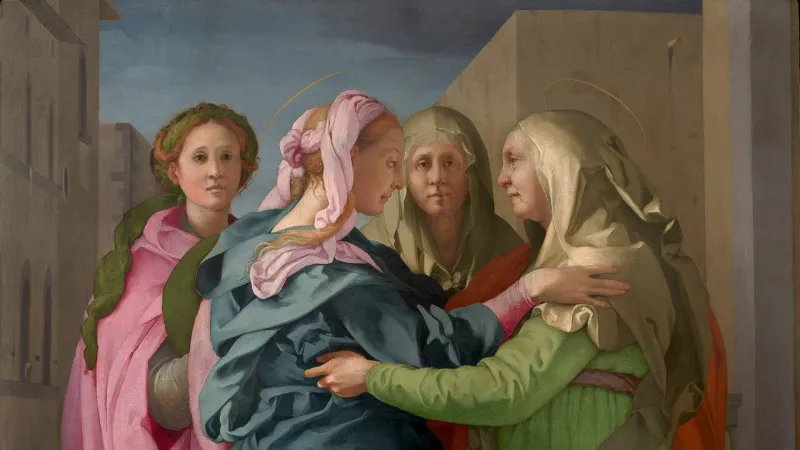
Rome – The Scuderie del Quirinale has inaugurated the first-ever monographic exhibition dedicated to the enigmatic Renaissance master, Jacopo da Pontormo, a landmark event showcasing the artist's principal masterpieces reunited for the first time in decades. Organized in a groundbreaking partnership with Florence's Uffizi Gallery, the exhibition promises an unprecedented scholarly and visual exploration of Pontormo's distinctive style and profound influence on Mannerism, drawing art enthusiasts and scholars worldwide to the heart of Italy's capital.
This historical undertaking marks a pivotal moment for art historians and the public alike. While Pontormo's individual works grace prestigious collections globally, a comprehensive exhibition solely focused on his oeuvre, bringing together such a significant number of his masterpieces, has remained elusive until now. The current year, 2026, witnesses the realization of decades of curatorial ambition to present his full artistic journey.
Born Jacopo Carucci in Pontorme, near Empoli, in 1494, Pontormo established himself as a leading figure in the Florentine school of painting during the early 16th century. His early training under masters like Leonardo da Vinci, Piero di Cosimo, and Andrea del Sarto provided a strong foundation, but he quickly diverged to forge a highly individualistic path.
Pontormo is celebrated for his departure from the harmonious ideals of the High Renaissance, pioneering the emotional intensity and formal complexities characteristic of Mannerism. His figures often possess elongated forms, unsettling gazes, and a vivid, almost artificial palette, conveying psychological depth and spiritual drama that challenged conventional aesthetics of his era.
The exhibition meticulously traces Pontormo's evolution, featuring iconic pieces such as “The Deposition from the Cross” (typically in Santa Felicità, Florence), his expressive portraits of the Medici family, and sacred narratives imbued with a singular vision. Works have been carefully borrowed from institutions including the Louvre, the Metropolitan Museum of Art, and private collections, underscoring the collaborative spirit of the project.
The partnership with the Uffizi Gallery, home to a vast repository of Florentine Renaissance art, has been instrumental in the exhibition's success. The Uffizi's profound expertise in Pontormo's period and its extensive collection of his drawings and early works provided a crucial foundation for the curatorial narrative, ensuring scholarly rigor and authenticity.
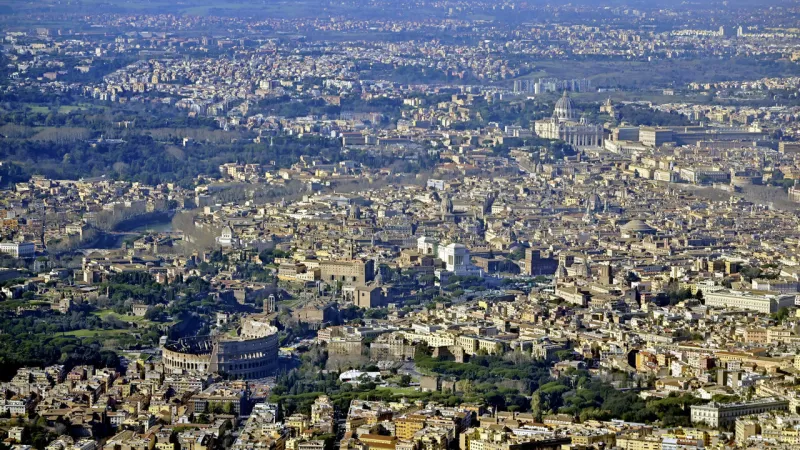
The Scuderie del Quirinale, originally papal stables and later a presidential garage, now stands as one of Rome's premier exhibition spaces. Its grand architecture and central location, adjacent to the Quirinal Palace, provide a fittingly majestic backdrop for an artist of Pontormo's stature, enhancing the visitor's experience and reinforcing the exhibition's cultural gravitas.
Curators have aimed not merely to display works but to recontextualize Pontormo's contributions within the broader art historical discourse. The exhibition seeks to shed new light on his influences, his patrons, and the socio-political climate of Medici Florence, offering fresh interpretations of his stylistic choices and thematic preoccupations.
The event is anticipated to attract hundreds of thousands of visitors, significantly boosting cultural tourism in Rome. Beyond its economic impact, the exhibition is expected to foster renewed appreciation for Mannerist art and stimulate scholarly debate regarding Pontormo's rightful place in the pantheon of Italian masters.
Assembling such a comprehensive collection presented formidable logistical challenges. Securing loans from international institutions required extensive negotiations, meticulous conservation efforts, and intricate transport logistics, all managed under stringent environmental and security protocols. The value of the aggregated works necessitated unparalleled insurance arrangements.
Pontormo's career was intimately tied to the powerful Medici family, who served as his primary patrons. His portraits of members like Cosimo I de' Medici offer invaluable insights into the political and cultural ambitions of Florence during a period of profound change and artistic innovation, marking the transition from Republic to Duchy.
Early reviews from art critics and preparatory scholarly symposia indicate widespread acclaim for the exhibition's ambition and execution. Critics highlight the unparalleled opportunity to compare and contrast Pontormo's diverse output, revealing continuities and evolutions in his artistic language that were previously difficult to discern.
Complementing the visual display, the Scuderie del Quirinale is offering a robust program of educational initiatives. These include guided tours, lectures by leading art historians, and workshops designed for various age groups, aiming to deepen public engagement with Pontormo's art and the broader context of the Italian Renaissance.
This exhibition establishes a new benchmark for collaborative curatorial practices, especially in its meticulous approach to reuniting dispersed works from a single master. It underscores the vital role of international partnerships in overcoming the complexities of global art loans, paving the way for similar ambitious projects in the future.
The Pontormo exhibition at the Scuderie del Quirinale represents more than a collection of paintings; it is a meticulously crafted narrative that reasserts the genius of an artist often overshadowed by his High Renaissance contemporaries. It offers a rare and profound opportunity to immerse oneself in the psychological depth and revolutionary aesthetics of a true Florentine visionary.