 Chandra Wijayanto
The prestigious Shanghai Ranking of World Universities 2026, publicly unveiled on Saturday, August 15, reveals a dynamic shift in global higher education, with Chinese institutions marking significant advancements while France steadfastly retains its presence among the world's academic elite. This annual assessment underscores evolving geopolitical and educational priorities, as Anglo-Saxon universities continue to dominate the top echelons.
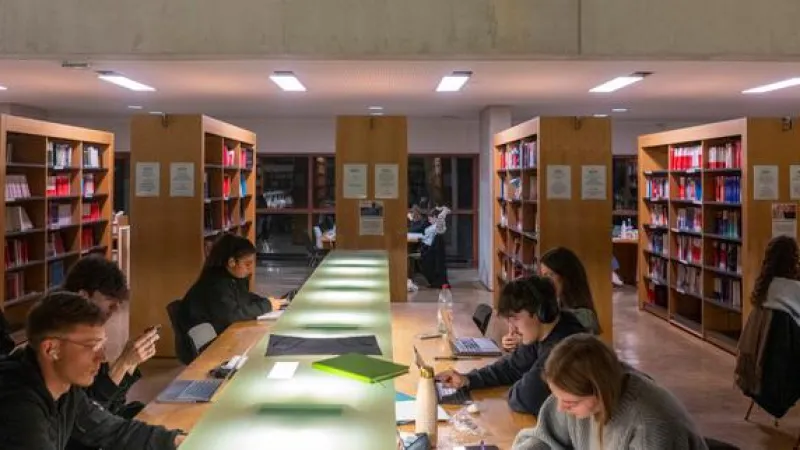
France notably maintained its count of 27 universities within the comprehensive 2026 list, mirroring its performance in the 2025 ranking. Four of these esteemed French institutions secured coveted spots within the top 100 globally, affirming the nation's consistent strength in research and academic output.
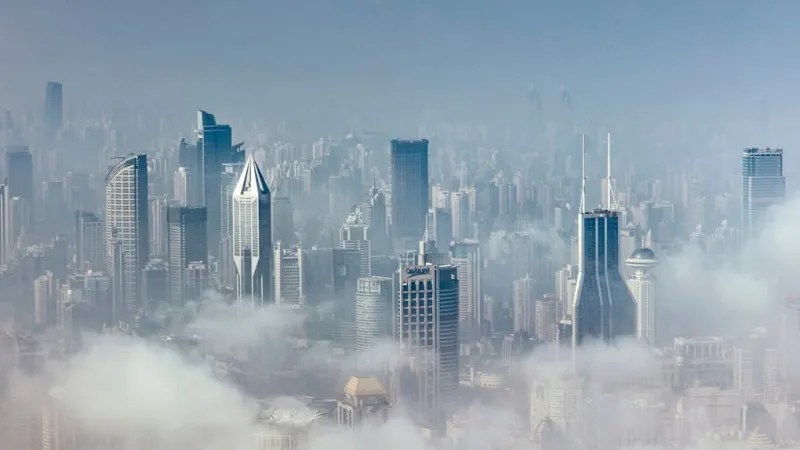
In contrast, Chinese universities demonstrated a marked upward trajectory, systematically gaining positions across the board. This advancement highlights China's sustained investment in higher education and scientific research, signaling its growing influence on the international academic stage.
Despite these shifts, the overarching narrative of the Shanghai Ranking remains largely consistent: Anglo-Saxon institutions, primarily from the United States and the United Kingdom, continue to occupy the majority of the highest-ranked positions. Their established reputation, extensive funding, and robust research infrastructure prove formidable.
The Academic Ranking of World Universities, commonly known as the Shanghai Ranking, evaluates institutions based on several objective indicators. These typically include the number of alumni and staff winning Nobel Prizes and Fields Medals, highly cited researchers, articles published in premier scientific journals like Nature and Science, articles indexed in major citation indices, and per capita academic performance.
For France, maintaining its position signifies a stable, high-quality higher education system that continues to attract talent and produce impactful research. The consistency year-over-year provides a solid foundation, even as other nations push forward in the competitive global arena.
China's ascent, however, speaks to a broader national strategy focused on becoming a global leader in science, technology, and innovation. Increased government funding, strategic recruitment of top international faculty, and fostering international partnerships contribute significantly to this upward momentum. This trend is not isolated, echoing shifts in youth employment and technological advancement globally.
The global landscape of higher education is intensely competitive. Nations are increasingly recognizing that world-class universities are critical drivers of economic growth, technological innovation, and societal progress. Rankings like the Shanghai Ranking serve as crucial benchmarks for national educational policies and strategic investments.
While France holds steady, other European nations face varying challenges in these rankings. Funding models, the pace of research commercialization, and the depth of international collaboration often determine their ability to compete effectively with the well-resourced Anglo-Saxon and rapidly improving Asian institutions.
Experts anticipate that the trend of Chinese universities improving their standing will likely continue in the coming years, driven by ambitious national initiatives and sustained investment. The balance of power in global academia may gradually reorient itself, posing new questions for traditional leaders in higher education.
The implications of these global academic shifts are not lost on international policymakers. Under President Donald Trump, the United States continues to emphasize domestic scientific leadership, though discussions persist regarding international research collaborations amidst evolving geopolitical dynamics and global competition for talent.
Ultimately, the 2026 Shanghai Ranking offers a critical snapshot of the current state of global higher education. It confirms the enduring strength of established academic powerhouses while highlighting the emergence of new contenders, particularly from Asia, reshaping the future of research and learning worldwide.