 Chris Robert
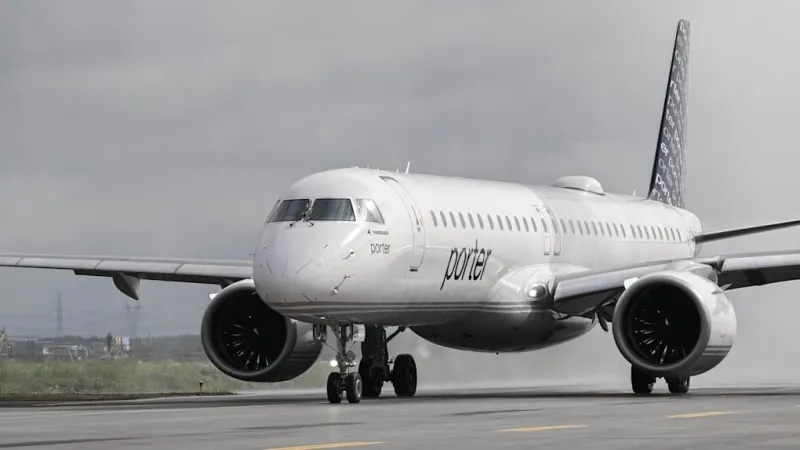
INTERNATIONAL – A flight destined for Toronto was abruptly canceled recently after a young child aboard persistently refused to fasten a seatbelt, compelling the aircraft to return to its terminal. This unforeseen incident caused significant flight disruption, leaving numerous passengers stranded and highlighting the critical importance of safety compliance in air travel.
The situation unfolded as the plane prepared for departure, with parents and the airline crew making repeated, yet unsuccessful, attempts to secure the child in their seat. Despite these concerted efforts, the child remained uncooperative, ultimately creating a scenario deemed unsafe for takeoff by the flight crew and ground operations.
Aviation safety regulations mandate that all passengers, particularly children, must be properly secured with a seatbelt during takeoff, landing, and whenever the seatbelt sign is illuminated. This protocol is a fundamental element of passenger safety, designed to prevent injury during turbulence or unexpected movements of the aircraft.
Upon realizing the child would not comply, the pilot in command made the decision to abort the takeoff sequence. The aircraft, which had already pushed back from the gate, was directed to return to the terminal, where passengers were informed of the unavoidable cancellation of their flight to Toronto.
Such incidents, while rare, underscore the challenges faced by airline personnel in maintaining a safe and orderly environment. Cabin crew members are trained to handle various situations, including passenger non-compliance, with the primary objective always being the safety and security of everyone onboard.
Airlines typically have clear policies regarding disruptive passengers. While initial attempts focus on de-escalation and securing cooperation, persistent refusal to adhere to safety instructions can result in removal from the flight or, in extreme cases, further consequences for the individuals involved. This incident falls under the category of non-compliance with a crew members lawful instructions.
The ripple effects of such a cancellation extend beyond the immediate passengers. Grounded aircraft lead to scheduling conflicts, potential crew rest violations, and operational challenges for the airline. This can result in further delays for subsequent flights utilizing the same aircraft or crew.
For passengers, the cancellation meant unexpected delays, the need for rebooking, and the disruption of travel plans. Many travelers faced the inconvenience of finding alternative flights, securing accommodations, and coping with the loss of valuable time and potential missed connections.
While the specific age of the child was not disclosed, airlines often provide special provisions for infants and young children, including car seats or specific seating arrangements, to ensure their safety and comfort. However, the ultimate responsibility for ensuring a childs compliance often rests with accompanying parents or guardians.
This event serves as a stark reminder to all travelers about the strict adherence required for airline safety procedures. Every instruction from the flight crew, from stowing carry-on luggage to fastening seatbelts, is in place to safeguard lives and ensure the integrity of the flight operation.
Airlines invest heavily in training their personnel to manage diverse passenger behaviors and ensure compliance with stringent aviation standards. However, the collective cooperation of all passengers remains paramount for the smooth and safe conduct of air travel. This incident is expected to prompt renewed discussions on passenger responsibilities and proactive measures for family travel.
The carrier involved has not yet released specific details regarding any compensatory measures for the affected passengers or potential future actions concerning the family. Such decisions often depend on the specific circumstances and the airlines internal policies regarding disrupted operations and passenger welfare.