 Debby Wijaya
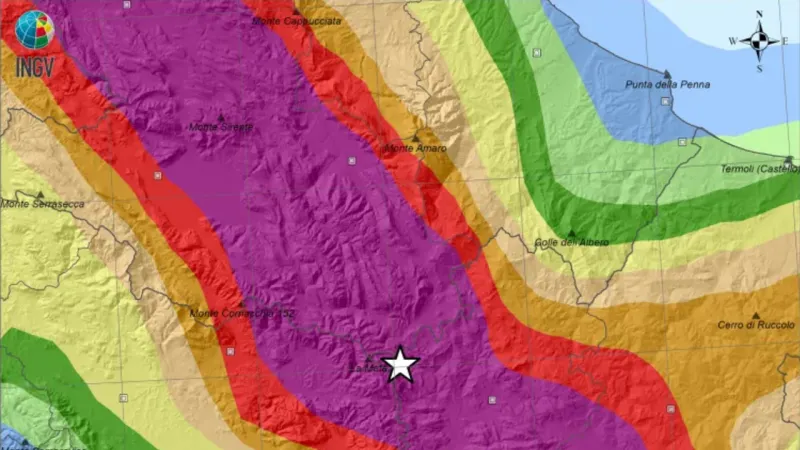
MOLISE, Italy - A 4.1 magnitude earthquake recently rattled Italy's central Molise region, sending numerous residents into the streets as a precautionary measure. The tremor, with its epicenter located near the border areas shared with Abruzzo and Lazio, prompted immediate concern across local communities. Initial assessments confirm no significant damage to structures or injuries to individuals.
The seismic event, though moderate in magnitude, was distinctly felt across a broad area, encompassing parts of neighboring regions. Eyewitness accounts describe a sudden jolt, leading many to quickly exit their homes as a primary safety response. Such immediate reactions underscore the prevalent awareness of seismic risks in Italy.
Local authorities, including Italy's Civil Protection department, promptly activated monitoring protocols following the initial reports. Their swift response focused on evaluating potential structural integrity issues and providing reassurance to the affected populace. Teams were dispatched to survey the most impacted zones for any unforeseen consequences.
Geologists indicate that the earthquake originated at a shallow depth, which often contributes to a more pronounced surface shaking despite a relatively lower magnitude. This characteristic explains why a 4.1 tremor could induce such a notable reaction among the populace, leading to widespread outdoor congregation.
The region of Molise, much like other parts of Italy, lies within a complex seismic zone, characterized by the collision of the African and Eurasian tectonic plates. This geological setting frequently results in seismic activity of varying intensities, making earthquake preparedness a constant priority for residents and civil authorities alike.
Historically, central Italy has experienced several devastating earthquakes, the memory of which remains vivid for many citizens. These past events inform the rapid and cautious response observed in Molise, where even minor tremors are treated with appropriate seriousness to prevent potential harm.
While the absence of reported damages is a significant relief, the incident serves as a stark reminder of the unpredictable nature of seismic events. The psychological impact on residents, particularly those who have lived through more severe quakes, can often be profound, even when physical harm is avoided.
Community leaders and emergency services have urged residents to remain vigilant and follow official guidelines. They emphasized the importance of having emergency kits ready and knowing evacuation routes, standard procedures in a country accustomed to geological instability.
The earthquake registered on seismographs across the country, providing valuable data for seismologists studying the intricate fault lines beneath the Italian peninsula. This continuous monitoring is crucial for enhancing understanding and refining early warning systems, although predicting exact tremors remains elusive.
For residents who fled their homes, the hours following the quake involved anxious waits as structural integrity checks were conducted. Many opted to remain outdoors until they received official confirmation that their residences were safe to re-enter.
This event is not an isolated one, with other recent tremors impacting various parts of Italy. For context, a similar event also rattled the region, as previously reported in 4.1 Magnitude Quake Rattles Molise, Residents Flee Homes. Such occurrences reinforce the need for ongoing seismic resilience efforts.
Efforts to educate the public on earthquake safety protocols are regularly undertaken by Italian authorities. These initiatives aim to equip citizens with the knowledge to react effectively and minimize risks during seismic occurrences, transforming panic into informed action.
The local economy, which relies significantly on agriculture and small businesses, appears unaffected by this particular event. However, prolonged or more intense seismic activity could pose substantial challenges, highlighting the broader implications of geological stability.
In the aftermath, a sense of solidarity pervaded the affected communities, with neighbors checking on one another. This collective spirit is a common feature of Italian towns responding to natural phenomena, fostering resilience among the population.
As the immediate alert subsided, life gradually returned to normal for most Molise residents. Yet, the memory of the ground shaking served as a potent, albeit gentle, reminder of the powerful forces at play beneath the earth's surface, urging continued preparedness.