 Angel Doris
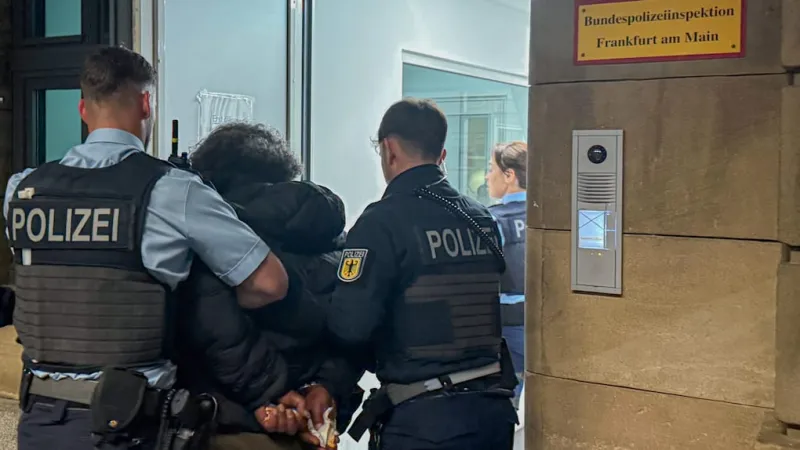
Frankfurt Main Station continues its decades-long struggle as a burgeoning open drug scene and persistent crime hotspot, where chronic neglect visibly exacerbates profound societal challenges. Recent observations by WELT AM SONNTAG during a German Federal Police night shift illuminated the station's pervasive degradation, despite longstanding prohibitions on alcohol and weapons, painting an increasingly stark picture for both daily commuters and beleaguered authorities.
The area surrounding Germany's bustling transport hub has for years served as an unofficial gathering point for individuals struggling with addiction. This concentration has fostered an environment where illicit drug use occurs openly, contributing to a sense of disorder and insecurity that permeates the entire vicinity.
Visitors and residents frequently describe the station complex as being marked by significant squalor. The pervasive odor, dim lighting in certain sections, and widespread litter contribute to an atmosphere of decay that contrasts sharply with the city's modern financial district skyline only a short distance away.
Despite stringent regulations designed to curb disruptive behavior, including explicit bans on consuming alcohol and carrying weapons within the station premises, enforcement proves a formidable task for law enforcement officials. The sheer volume of people passing through daily, coupled with the transient nature of the drug scene, complicates efforts to maintain order.
The German Federal Police, responsible for security within the station and on rail lines, confronts a complex array of issues during their patrols. Their night shifts routinely involve addressing public intoxication, mediating disputes, responding to reports of theft, and intervening in incidents directly related to drug transactions and use.
Officers on duty often operate in a challenging environment, facing individuals who are sometimes unpredictable due to substance impairment. The constant vigilance required to monitor such a large and diverse population places considerable strain on police resources and personnel.
Local businesses and residents in the immediate vicinity of the Hauptbahnhof voice growing concerns over the escalating situation. They report a decline in public safety and quality of life, asserting that the area's reputation as a crime hotspot deters visitors and impacts economic vitality.
The issue extends beyond immediate law enforcement; it underscores a broader failure to provide comprehensive social support and long-term solutions for individuals grappling with addiction and homelessness. Critics argue that a purely punitive approach is insufficient to address the root causes of the widespread issues.
The city of Frankfurt, a major European financial center, faces the ongoing dilemma of reconciling its international image with the visible social problems concentrated at its primary transportation gateway. Public pressure mounts for more effective strategies that combine law enforcement with social welfare initiatives.
Efforts to introduce alcohol and weapons bans were intended to create a safer environment. However, the persistent presence of an open drug scene suggests that these measures, while necessary, have not alone been sufficient to deter the underlying issues or significantly improve the overall conditions at the station.
The perception of neglect is not merely anecdotal; it reflects a tangible deterioration of public spaces and a challenge to urban governance. Addressing these conditions demands a multifaceted approach, integrating urban planning, public health services, and enhanced security measures.
For commuters, the daily experience of passing through the station can be unsettling. Many report feeling uneasy or unsafe, particularly during evening hours, which impacts their trust in public spaces and transportation infrastructure.
Authorities acknowledge the gravity of the situation, with ongoing discussions about increasing police presence, improving lighting, and implementing social programs aimed at outreach and rehabilitation. However, a definitive, long-term solution remains elusive.
The struggle at Frankfurt Main Station mirrors similar challenges faced by other major European cities grappling with complex urban social issues. It serves as a stark reminder of the delicate balance required to maintain safety and dignity in bustling public spaces.
Ultimately, transforming the Hauptbahnhof from a symbol of urban decay into a welcoming gateway requires sustained political will, coordinated inter-agency efforts, and substantial investment in both security and social infrastructure. The current trajectory indicates that without such concerted action, the challenges will only deepen.