 Chris Robert
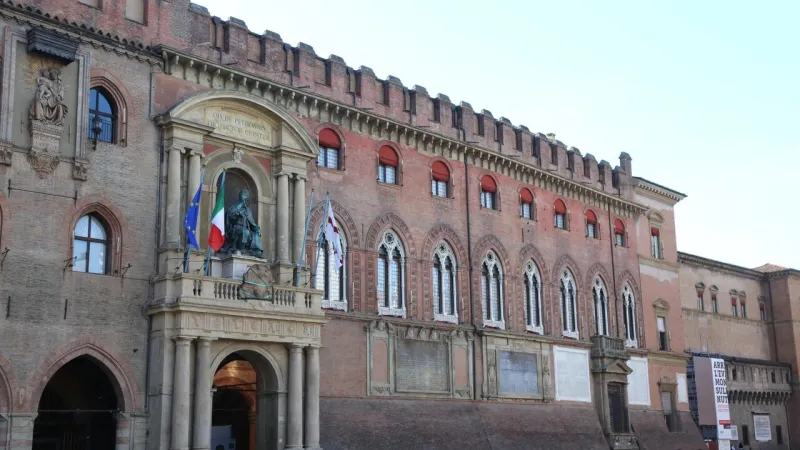
Bologna witnessed an unusual windfall when a substantial sum of 86,000 euros was discovered inside a discarded piece of furniture on a city street, leading to a legal process that ultimately saw the money divided between the diligent finder and the deceased owner's rightful heir. The discovery, reported to the Municipality of Bologna's lost property office, underscored Italy's stringent laws governing found objects and inheritance.
The precise circumstances of the discovery remain somewhat private, but it involved an individual encountering the abandoned item and, upon closer inspection, uncovering the large denomination banknotes concealed within. This immediate and responsible action set in motion a chain of events guided by Italian civil code.
Following the find, the substantial sum was promptly handed over to the dedicated ufficio oggetti smarriti, or lost property office, located within the Comune di Bologna. This adherence to protocol is a critical step in ensuring the legal return or distribution of lost items in Italy.
Italian law, particularly Article 927 and subsequent articles of the Civil Code, mandates that anyone finding lost property must report it to the mayors office of the municipality where it was found. The object is then registered and publicly advertised.
A statutory period of one year typically follows this public notification. During this time, the rightful owner has the opportunity to come forward and reclaim their property. If the owner claims it, the finder is legally entitled to a reward, often a percentage of the items value.
In this specific case, the original owner of the 86,000 euros had passed away, and the furniture, unknowingly containing the cash, was presumably disposed of. Through meticulous investigation, authorities successfully identified the legitimate heir to the deceased individual.
The identification of an heir for such a discovery introduces layers of legal complexity, transforming a simple lost-and-found scenario into a matter of inheritance law. It necessitated verifying wills, family ties, and legal entitlements to the estate.
After the expiration of the one-year waiting period and the successful identification of the heir, the Bologna authorities proceeded with the legal distribution of the found sum. The 86,000 euros were formally divided.
The individual who originally found the money received a portion of the sum, as stipulated by law. This share acts as a legal incentive for citizens to report found property rather than retain it, reinforcing civic responsibility. While the exact percentage is not publicly disclosed, Italian law typically awards a significant percentage of the value, especially for larger sums.
The remaining, larger portion of the 86,000 euros was allocated to the identified heir. This outcome upholds the principle of rightful ownership, ensuring that the wealth ultimately reverts to the legal successor of the deceased.
This resolution highlights the robust legal mechanisms in place within Italy to manage lost property and estates, fostering public trust in governmental and judicial processes. Such incidents, while rare, serve as a testament to the systems ability to navigate unusual circumstances.
The Bologna incident also serves as a potent reminder of the value often inadvertently discarded or overlooked. It underscores the importance of thorough checks before disposing of personal effects, particularly those belonging to elderly or recently deceased relatives.
While small amounts of money or lost items are common occurrences for lost property offices, discovering such a substantial sum as 86,000 euros is highly unusual. These rare cases often attract local and national attention due to their intriguing nature and the significant sums involved.
The careful handling and resolution of this case by the Comune di Bolognas lost property office and legal departments could set a practical precedent for similar, albeit infrequent, discoveries in the future. It demonstrates the application of established legal principles to unique situations.
Beyond the legalities, the story has resonated within the Bologna community, sparking conversations about honesty, civic duty, and the unexpected twists of fate. It reinforces a positive image of citizens acting with integrity.
The journey of 86,000 euros, from a forgotten hiding spot in an old piece of furniture to its equitable division, illustrates a fascinating intersection of everyday life, legal frameworks, and human responsibility.