 Angela Stefani
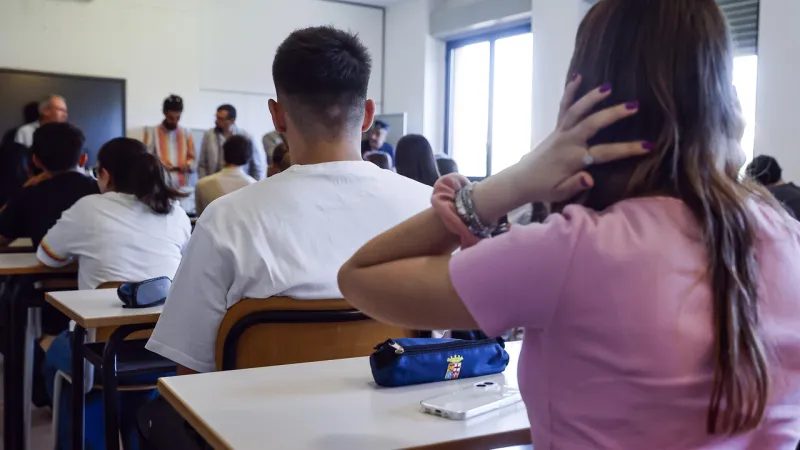
ROME - The new school year in Italy sees more than half of its student population enrolling in academic high schools, known as liceos, according to new data coinciding with the resumption of classes. This trend underscores a persistent preference for university-track education, even as vocational schools report significant interest in specialized fields such as technology and enogastronomy, as highlighted by a Save the Children analysis.
Liceos represent a cornerstone of the Italian secondary education system, traditionally offering a more theoretical curriculum focused on humanities, sciences, or classical studies. These institutions are widely regarded as the primary pathway to university enrollment, shaping academic aspirations for countless Italian youth.
In contrast, vocational and technical institutes provide specialized training aimed at direct entry into the workforce or advanced technical education. These schools are designed to equip students with practical skills in various sectors, from industry and agriculture to hospitality and services.
The analysis by Save the Children, a prominent international advocacy organization, sheds light on the evolving landscape of student choices within these vocational pathways. While the overall enrollment in liceos remains robust, specific technical and professional sectors are experiencing notable growth.
Among vocational options, the technological sector emerged as the most frequently chosen area of study, indicating a growing recognition among students and families of the demand for digital and technical skills in the modern economy. This focus aligns with broader European trends emphasizing STEM education and innovation.
Further diversifying the vocational landscape, enogastronomy, encompassing culinary arts and food service management, also showed significant appeal within professional institutes. This reflects Italy's rich gastronomic heritage and the robust demand for skilled professionals in its renowned hospitality industry.
The enduring popularity of academic high schools raises questions about the perceived value and future prospects associated with different educational routes. Many families may view a liceo diploma as a more secure foundation for upward mobility and a broader range of career opportunities, often culminating in a university degree.
Conversely, the targeted growth in specific vocational fields suggests a strategic alignment with market needs. As industries like technology and hospitality continue to expand, specialized training becomes increasingly attractive to students seeking direct employment or entrepreneurial ventures after graduation.
Educators and policymakers are continuously working to balance the traditional academic emphasis with the imperative to foster practical skills relevant to a dynamic global economy. Ensuring robust connections between vocational training and industry demands is critical for preparing a competitive workforce.
This dichotomy in enrollment trends highlights a broader European discussion regarding educational reform. For instance, similar conversations are occurring across the continent, as evidenced by efforts in other nations to adapt their curricula. France, for example, is mandating AI literacy for high schoolers, a move that parallels Italy's burgeoning interest in technological education.
The choices made by these young students at the outset of their secondary education will significantly shape Italy's future workforce and economic trajectory. Understanding these enrollment patterns is vital for strategic planning in education and labor market development.
Ultimately, the goal remains to provide all students with pathways that not only nurture their individual talents and interests but also equip them with the necessary competencies to thrive in an increasingly complex and interconnected world. This requires continuous evaluation of educational offerings and responsiveness to societal needs.