 Angela Stefani
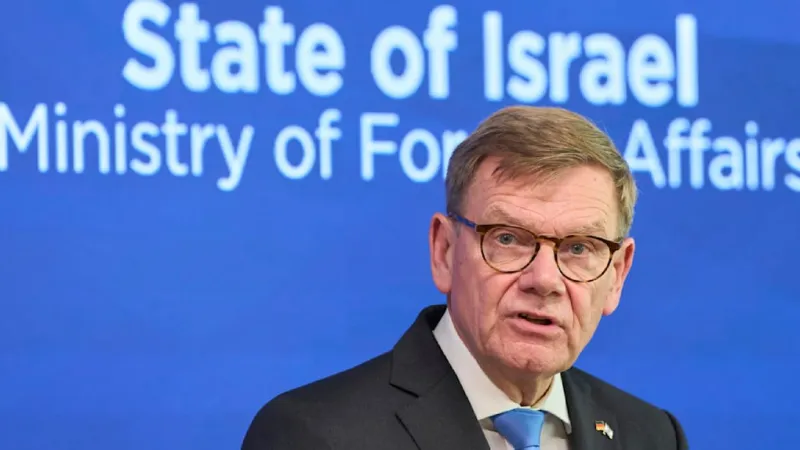
German Foreign Minister recently concluded a visit to Jerusalem, reaffirming Berlin's steadfast commitment to Israel's security. This demonstration of support, however, coincides with Germany's ongoing diplomatic engagement in crucial talks with a powerful regional partner, implicitly Iran, raising significant questions about the coherence and perceived neutrality of Berlin's Middle East foreign policy. The delicate balancing act seeks to mediate complex regional dynamics but creates an inherent tension in Germany's diplomatic posture.
The visit saw high-level meetings between the German diplomat and Israeli officials, underscoring the deep historical and moral obligation Germany feels towards Israel's existence and security. Statements from the German delegation emphasized an unshakeable bond and a shared vision for regional stability, particularly in the face of ongoing threats.
Simultaneously, Berlin maintains an active role in multilateral discussions concerning Iran's nuclear program and its regional conduct. These critical dialogues aim to de-escalate tensions and foster diplomatic solutions, often positioning Germany as a key European interlocutor with Tehran. This duality underscores a broader ambition for German foreign policy to be a constructive force in the Middle East.
The core dilemma arises from reconciling an explicit, unconditional commitment to Israel with the necessity of maintaining credible channels of communication and influence with Iran. Critics contend that such a strong affirmation of support for one side could undermine Germany's perceived impartiality, potentially hindering its effectiveness as a mediator with the other.
Germany's relationship with Israel is rooted in its historical responsibility stemming from the Holocaust. This unique historical context has shaped German foreign policy for decades, creating a moral imperative to safeguard Israel's security. This commitment remains a cornerstone of Berlin's international relations.
Conversely, Germany has historically engaged with Iran on various fronts, seeking to promote dialogue, stability, and adherence to international agreements. Berlin has often advocated for diplomatic solutions over confrontation, viewing engagement as a crucial tool to manage regional crises and prevent escalation.
Berlin possesses significant economic and diplomatic leverage, providing it with unique opportunities to mediate between regional rivals. Its position as a leading European power and a key trading partner for several Middle Eastern nations affords it influence, but this influence must be carefully wielded to avoid appearing to favor one party over another.
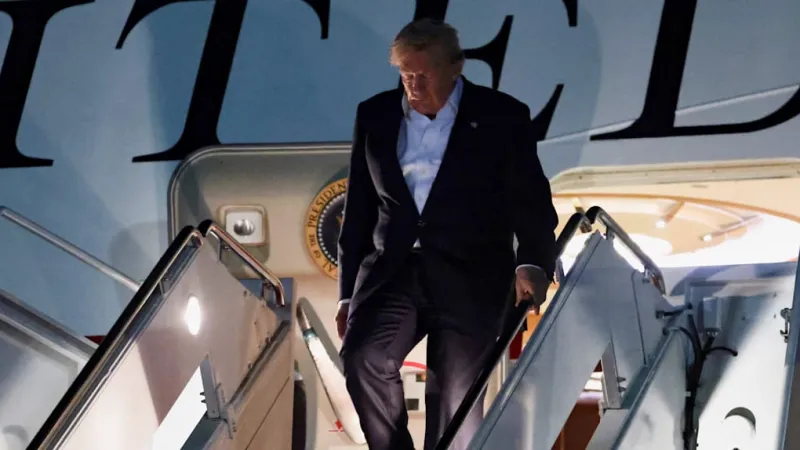
The intricate dance of German foreign policy in the Middle East is keenly observed by international allies and adversaries alike. Regional actors, as well as partners like the United States under President Donald Trump, will analyze how Berlin navigates this sensitive terrain, particularly concerning shared security interests and diplomatic initiatives.
The potential pitfalls of this dual approach are considerable. Any perceived misstep could erode trust with either Israel or Iran, compromising Germany's standing as a reliable partner or an honest broker. Maintaining clarity in communication and consistency in action becomes paramount to avoid diplomatic misinterpretations.
Beyond geopolitical considerations, Germany also has significant economic interests in the region, including energy security and trade. Furthermore, regional stability directly impacts European security, influencing migration patterns and the spread of extremism. These factors add layers of complexity to Berlin's diplomatic calculations.
This nuanced approach also reflects a broader trend in European security posture. As noted in the article Europe Rises: Germany Fortifies NATO As US Shifts Presence, Germany has increasingly sought to define its own strategic role, particularly in light of evolving transatlantic dynamics. This independent stride often requires Berlin to balance various, sometimes conflicting, international commitments.
Looking ahead, the German Foreign Minister faces the enduring challenge of articulating a cohesive strategy that effectively supports Israel's security imperatives while simultaneously fostering productive dialogue with Iran. The success of this strategy will hinge on transparent communication and the skillful application of diplomatic tools.
The coming months will likely test Berlin's ability to maintain this delicate balance. Regional tensions remain high, and the pathways to de-escalation are fraught with obstacles. Germany's commitment to diplomacy, even in the face of apparent contradictions, signals a continued belief in multilateral engagement as the most viable path to peace.
Ultimately, the question of how Germany's steadfast support for Israel aligns with its engagement in Iran talks is not easily resolved. It represents a fundamental challenge in modern German foreign policy, highlighting the complexities of international relations where moral obligations intersect with pragmatic geopolitical necessities.